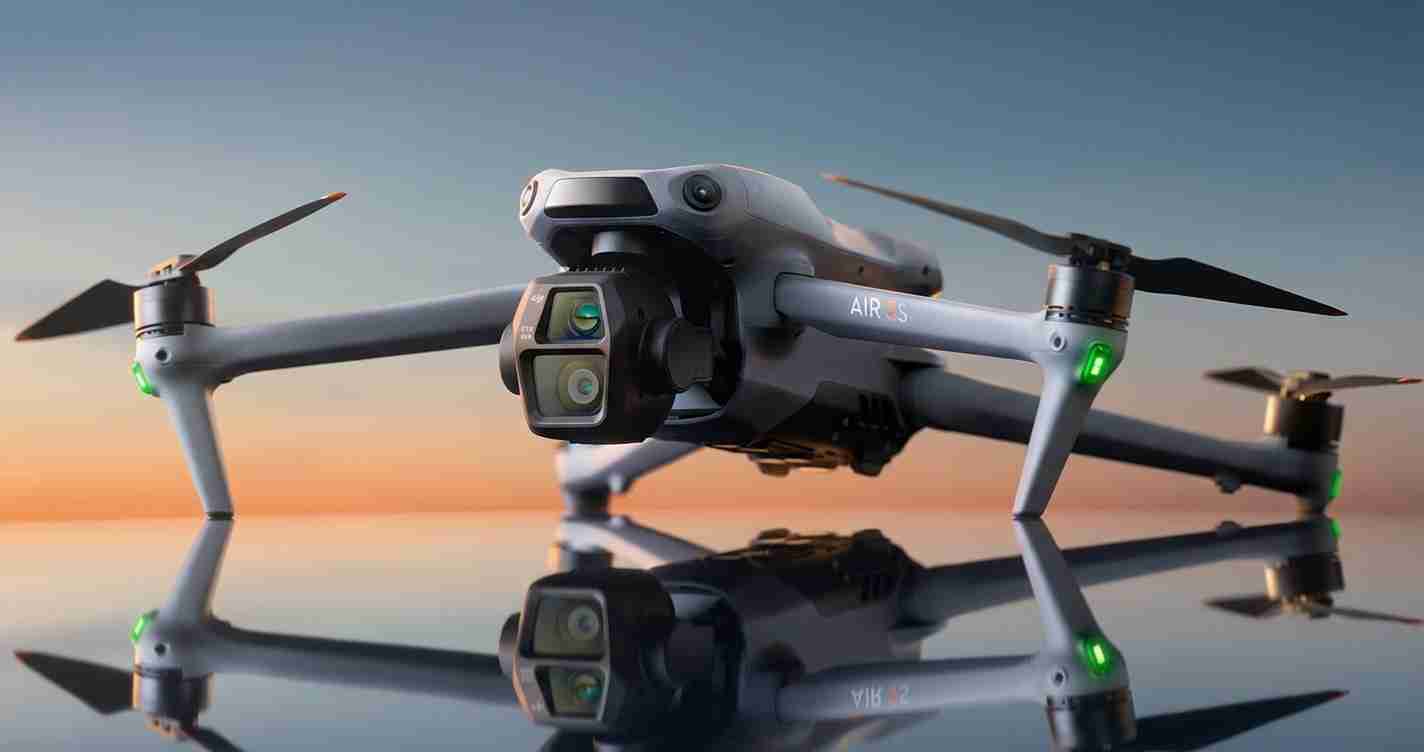
FCC bans Chinese drones in sweeping national security move, halting new DJI and Autel sales in U.S.
The FCC on Dec. 22, 2025, added DJI and Autel Robotics to its Covered List, blocking new equipment authorizations and effectively halting imports and sales of new drones and parts from those Chinese companies across the United States.
- Immediate ban on new sales: The FCC added Shenzhen-based DJI and Autel to its Covered List, denying new equipment authorizations and blocking future imports and sales (FCC press release).
- Legal basis: Action taken under Section 2.911 of FCC rules and the Secure Equipment Act of 2021, citing national security risks.
- Scope and exceptions: Ban affects new models and components; existing consumer-owned devices and replacement parts for grandfathered units are not required to be surrendered.
- Industry impact: Expected shortages and price rises could push buyers toward U.S. and allied makers; coverage and analysis provided by outlets including WSJ, Bloomberg and the New York Times.
What happened
On December 22, 2025, the Federal Communications Commission placed DJI Technology Co. Ltd. and Autel Robotics on its Covered List, a regulatory designation that blocks new equipment authorizations for wireless devices tied to national security concerns. That administrative action means pending authorization applications for new models will be denied and retailers must stop offering new products that require FCC equipment authorization.
What the FCC said and why
The agency cited intelligence assessments and government reports pointing to risks such as data exfiltration, remote hacking, and the use of drones for surveillance or hostile operations.
“Criminals, terrorists, and hostile foreign actors have intensified their weaponization of these technologies, creating new and serious threats to our homeland,”
— FCC Chair Brendan Carr
The FCC explicitly invoked Section 2.911 of its rules and the Secure Equipment Act of 2021 to justify adding the companies to the Covered List. The agency referenced reports — including Defense Intelligence Agency and ODNI assessments — documenting drone misuse in conflict zones and problematic data flows that formed the basis for the national security rationale.
Scope, timing and immediate effects
The order takes effect immediately for new equipment authorizations. In practice:
- Pending authorization applications for new DJI and Autel products will be denied.
- Major retailers and online platforms that require FCC approvals must stop selling new models and parts that need authorization.
- Consumers who already own affected drones are not required to surrender or destroy them; replacement parts for existing units remain allowed.
The move follows earlier federal steps, such as the Department of Commerce’s action placing DJI on its Entity List in September 2025 and Pentagon restrictions on DJI gear. Reporting and analysis are available from WSJ and Bloomberg, which provide market context and reaction.
DJI response and legal challenge
DJI issued a public statement calling the decision “unjust” and saying it was “deeply disappointed”. The company emphasized its extensive use by U.S. public-safety agencies for firefighting, rescue and law enforcement, cited offers of third-party audits and data-localization measures, and announced plans to pursue litigation challenging the FCC’s action.
In its statement, DJI said it would argue the FCC violated due process and the Administrative Procedure Act; the company also contends the agency did not disclose all evidence underlying the listing (DJI statement).
Industry context and market impact
DJI has held an estimated 70–80% share of the U.S. consumer and prosumer market, with Autel representing a much smaller slice. Analysts warn the ban could trigger short-term shortages and price increases — estimates range from a 20–50% rise for some models — as buyers shift toward domestic and allied manufacturers like Skydio and Teal.
Trade groups such as the Association for Uncrewed Vehicle Systems International (AUVSI) warned of disruption to agriculture, search-and-rescue, and filmmaking. Meanwhile, U.S. drone makers and defense contractors have welcomed the move as a potential boost to domestic suppliers and onshoring of supply chains (Bloomberg; WSJ).
Evidence cited by the FCC
The FCC pointed to intelligence assessments, including a 2024 Defense Intelligence Agency assessment and a 2025 Office of the Director of National Intelligence review, linking certain foreign-made drones to risky data flows and hostile use. These assessments, combined with incident reports from U.S. agencies and open-source reporting, underpin the agency’s determination.
The FCC’s public materials and press release summarize the rationale and the agencies whose reporting informed the decision (FCC press release).
Legal and diplomatic consequences
DJI’s legal challenge could delay enforcement on some fronts while courts assess claims about procedural fairness and disclosure of evidence. Diplomatically, China criticized the action as “economic coercion” via its foreign ministry, and allies are monitoring whether to take similar regulatory steps. Congressional oversight and hearings are likely as lawmakers probe the evidence and agencies’ approaches.
Implications for the United States
Economic: The U.S. drone market (roughly $2 billion in 2025) may face short-term shortages and higher costs for industries that rely on drone services. Retailers and service providers will need quick procurement and inventory plans.
Security: The FCC aims to reduce risks from foreign access to flight data and hostile uses. Public-safety agencies using DJI gear face planning and budgeting challenges to transition to vetted suppliers while relying on grandfathered equipment and parts.
Policy and industry support: The ban could accelerate investment in U.S.-based manufacturing and supply chains; policymakers may consider incentives, procurement commitments, or grant support to ease transitions for public agencies and critical industries.
Sources
- Federal Communications Commission press release, “FCC Bans Devices From China’s DJI, Autel, Posing National Security Threats,” Dec. 22, 2025
- DJI statement on FCC decision, Dec. 22, 2025
- Wall Street Journal, Dec. 22, 2025
- Bloomberg, Dec. 22, 2025
- New York Times, Dec. 22, 2025
For ongoing updates and official filings, consult the FCC press release and agency public notices.