
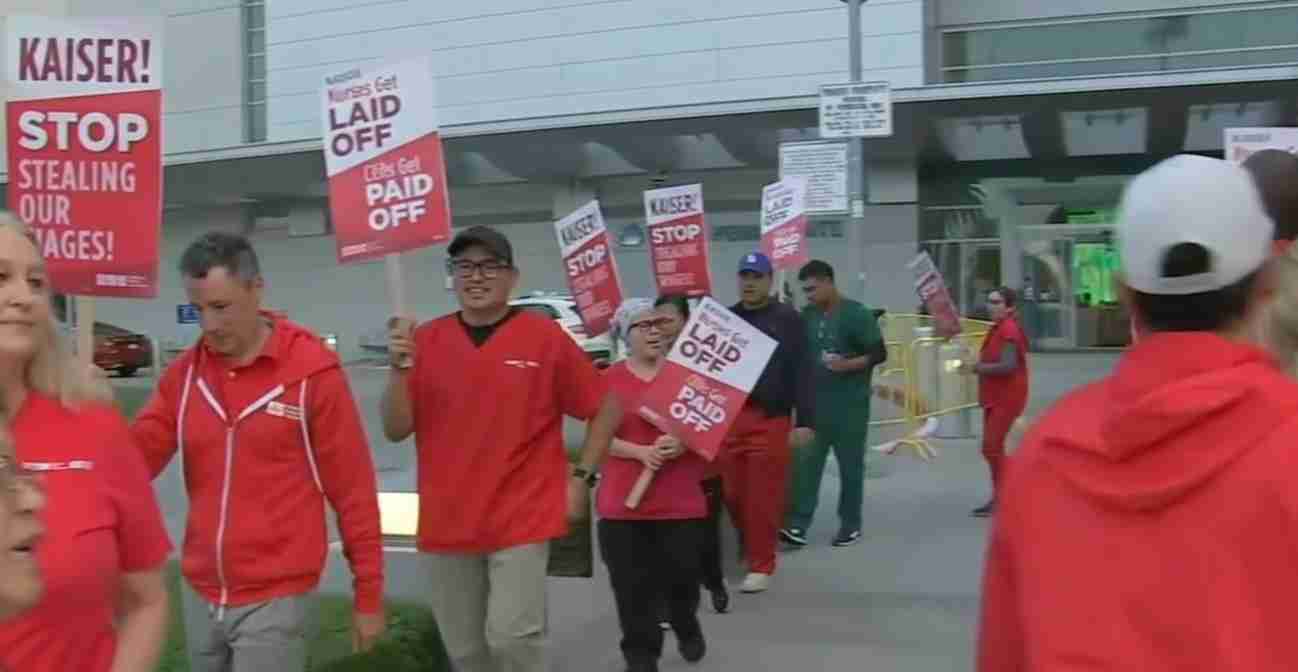
Kaiser Permanente strike ends after three days; union and management plan more talks as threats of future job actions linger
Oakland, California (Times Media Service) — More than 75,000 Kaiser Permanente health care workers staged a historic three‑day strike in October 2023 over pay, staffing and working conditions; the walkout ended without a contract and talks will continue.
- Historic scale: Over 75,000 workers joined what labor leaders called the largest U.S. health care worker strike in history.
- No contract yet: The three‑day action concluded as scheduled without a settlement; both sides signaled further bargaining.
- Core issues: Demands focus on pay increases, staffing commitments, retention incentives and improved working conditions after pandemic strains.
- Future leverage: Unions retain the authority to issue additional strike notices while federal mediators work to narrow gaps.
Background: what led to the strike
Tensions had been growing for months between Kaiser Permanente and the Coalition of Kaiser Permanente Unions. Workers across many job categories — nurses, pharmacists, lab technicians, medical assistants, schedulers and others — reported chronic understaffing and heavier workloads that made timely care delivery more difficult. Union leaders said Kaiser’s proposals did not sufficiently address retention, staffing enforcement or patient safety concerns, while management pointed to budget constraints and the need to balance pay with affordable care for members.
Why the workers walked out
Union leaders framed the strike as necessary to protect both employees and patients. They argued that staff shortages push remaining employees to cover more patients and tasks, increasing burnout and the risk of medical errors. Bargaining demands included multi‑year wage increases, explicit staffing commitments, and policies to improve retention and recruitment. Kaiser said it sought to bargain in good faith but must manage labor costs to keep care accessible for members.
How the strike unfolded and why it ended
The Coalition announced a five‑day strike window but carried out a three‑day stoppage across six states and Washington, D.C. Non‑urgent appointments and elective procedures were postponed or rescheduled in many locations; emergency and critical services continued. Kaiser emphasized contingency plans intended to protect patient safety and to minimize disruption. The unions said the short, coordinated walkout demonstrated solidarity and applied pressure on management. The action ended because the announced period concluded — not because a contract was reached.
What both sides said afterward
Both Kaiser Permanente and the Coalition released statements saying they are ready to resume negotiations. Union leaders stressed that core issues remain unresolved and noted their authority to issue further strike notices. Kaiser leaders reiterated their commitment to bargaining and to controlling costs to preserve member access. Federal mediators were reported to be active in facilitating discussions.
Industry context: why this matters beyond Kaiser
Kaiser Permanente is one of the nation’s largest nonprofit health systems; outcomes of these talks could influence labor relations at other large systems. The strike highlighted broader industry trends — staffing shortages, burnout and turnover after the COVID‑19 pandemic, and increasing union activity in health care. Hospitals and clinics nationwide are watching how staffing language, pay increases and enforcement mechanisms are negotiated.
Patient impact and public responses
During the three‑day stoppage some patients experienced delays for elective care. Kaiser said emergency care and urgent services remained available. Patient advocacy groups and lawmakers urged both sides to prioritize patient safety and continuity of care. Unions maintained that stronger staffing guarantees protect patients, while Kaiser warned that unchecked cost increases could affect premiums or access.
Federal mediation and bargaining dynamics
Federal mediators were involved to help bridge differences on wages and staffing commitments. Mediation can facilitate face‑to‑face bargaining and proposal exchanges but does not force a settlement. Union officials said mediation helped focus talks, but substantial differences remain on specific staffing language and wage percentages. Kaiser representatives emphasized managing labor costs to preserve member access and system sustainability.
Implications for the United States
Economic impact: A prolonged, large‑scale health care worker strike could raise costs for employers and patients if labor raises are accelerated without offsetting savings; higher labor costs could put upward pressure on premiums or copays unless absorbed elsewhere.
Political consequences: Lawmakers across the aisle have weighed in; debates may center on balancing worker pay and health care affordability. Policymakers may face pressure to support staffing policies that protect patients while managing costs.
Social and cultural effects: The strike emphasized worker fatigue and burnout in health care, building public sympathy for staffing and safety demands — a factor that can affect future bargaining leverage and public trust in systems like Kaiser.
Practical applications: what patients and observers should know
Patients should be prepared for the possibility that elective appointments may be rescheduled if future labor actions occur and are advised to verify appointments in advance. Employers, insurers and policymakers will monitor bargain outcomes for signals about future labor costs and staffing practices across the health sector.
Sources and documentation
- Coalition of Kaiser Permanente Unions
- Kaiser Permanente press releases and statements
- Reuters coverage of the October 2023 strike
- The Associated Press reporting on Kaiser Permanente negotiations and strike
- New York Times coverage of the strike and bargaining talks
Readers are encouraged to consult the above links for direct statements and detailed reporting.
Next steps in bargaining and what to watch
Union leaders say they have authorized additional strike notices and could escalate or extend actions if key demands on pay and staffing are not addressed. Kaiser officials say they will continue bargaining with the aim of reaching a deal that balances employee needs with affordable care for members. Observers will watch for:
- Specific staffing language that both sides can enforce and monitor;
- Agreed wage increases and the structure (multi‑year vs. one‑time);
- Retention incentives and recruitment commitments; and
- Whether mediation produces concrete compromises or whether additional labor actions are authorized.
“The brief walkout demonstrated solidarity and put pressure on management to return to the table,” union leaders said after the strike; Kaiser officials emphasized a commitment to ongoing negotiations and to controlling costs that affect members’ access to care.



