
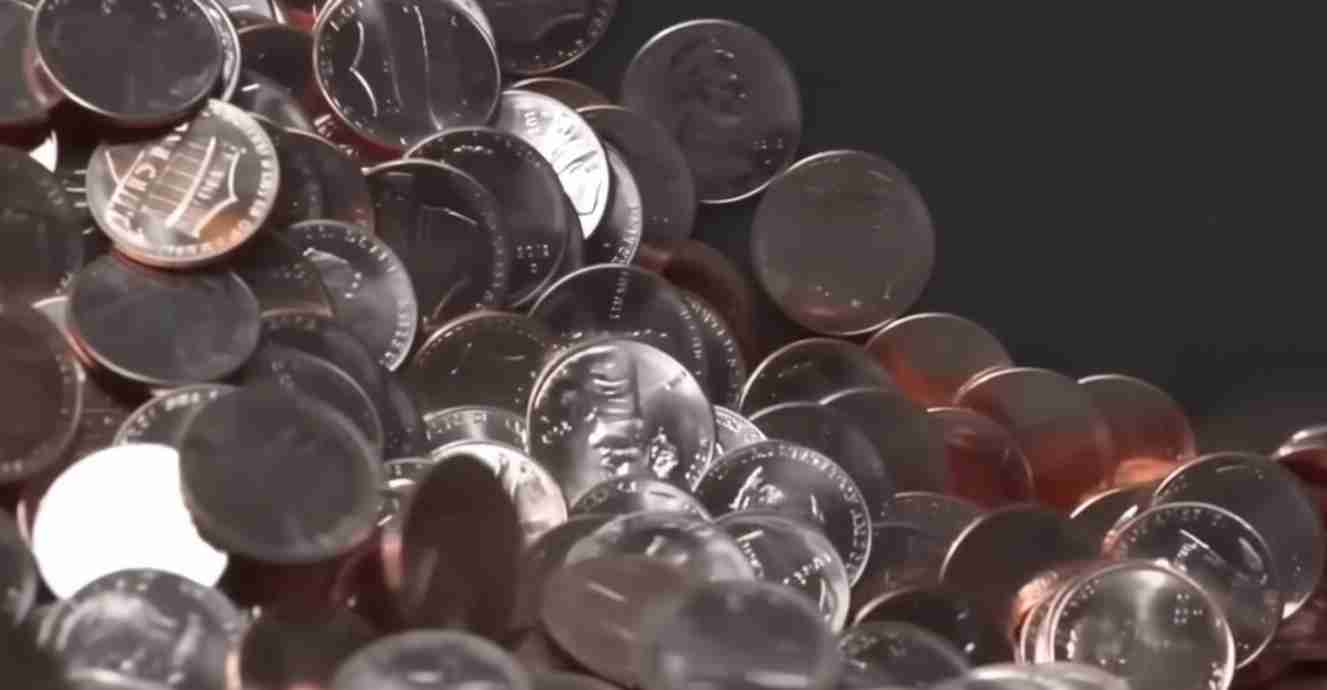
US Treasury’s last five pennies — each with rare omega mark — set to spark multimillion-dollar auction battle
The U.S. Treasury has ended penny production; the final five pennies—each reportedly bearing a unique “omega” mark—will be withheld from circulation and sold at auction, where experts predict multimillion‑dollar bids per coin and fierce competition among collectors.
- Final cents withheld: The U.S. Mint produced the last pennies and will not release them into circulation.
- Omega-mark rarity: Each of the final coins reportedly carries a special “omega” mark; reporting varies on whether there are five or two marked pieces.
- High estimates: Numismatic experts estimate each coin could fetch $2 million to $5 million at auction — though outcomes depend on provenance and market conditions.
- Auction details pending: The Treasury confirmed plans to sell the coins but has not released dates or an auction house.
Overview
The Treasury Department announced it would stop producing the penny for economic and practical reasons, and the U.S. Mint confirmed the last batch of one-cent coins will be withheld from circulation for sale to collectors. The coins’ distinguishing feature is a reported omega symbol, making them unique in modern U.S. Mint history.
Why these pennies matter
The penny has been ingrained in everyday U.S. transactions and culture for generations. Ending production marks both a pragmatic economic shift and the creation of a powerful numismatic story: these are the final cents ever struck by the U.S. Mint. That combination of finality and a unique mint mark is what drives collector interest.
Expert estimates and market drivers
Numismatists and auction dealers cite scarcity, provenance and symbolic value as primary drivers of price. Early estimates — broadly ranging from $2 million to $5 million per omega-marked coin — reflect both potential demand and uncertainty about final auction conditions. In auctions for one-of-a-kind or end-of-era items, bidding can escalate rapidly if museums, high-net-worth collectors or institutions compete.
“Uniqueness drives value — the last coin of a series, especially with a distinct mark and clear provenance, can command extraordinary prices,” industry observers say.
What the Treasury and the U.S. Mint have said
Officials cited production cost, limited purchasing power and declining utility as reasons to end penny production. The Mint confirmed the final coins will carry a special mark and be withheld from circulation for sale to collectors, but has not published full auction plans or detailed provenance documentation.
Discrepancies and open questions
Reporting varies on a key factual point: whether the omega mark appears on the last five pennies or only on the final two. Most outlets reference five omega-marked coins; at least one report cites two. The Mint has not fully clarified the count, the precise design or the authorization behind the symbol — details that will materially affect auction valuation.
Auction details and transparency concerns
The Treasury has said the coins will be sold but has not named an auction house or provided a firm timetable. Observers emphasize that transparent selection procedures, chain-of-custody documentation and a public bidding process will bolster confidence and likely increase realized prices. Opaque processes could invite scrutiny from lawmakers and watchdogs.
How the market may behave
When the auction goes live, potential bidders include private collectors, museums and investors treating rare coins as collectible assets. Auction results will hinge on documented provenance, the confirmed number of omega-marked pieces, and broader economic conditions. Experts caution that estimates are not guarantees: clarity from the Mint could drive prices upward, while unresolved questions could suppress bidding.
Collector behavior and historical context
Historically, coins tied to discontinuations, minting errors or design changes have commanded high prices. The social and symbolic value of owning “the last” of a denomination often creates a premium. The announcement has already spurred increased public interest — dealers report more people searching personal collections for rare cents.
Legal and ethical questions to watch
Key governance questions include how the coins were selected for sale, who had access to them, and whether oversight was sufficient. Calls for detailed records and a public auction process aim to ensure fairness and protect the coins’ provenance — factors that directly affect monetary value and public trust.
Practical implications for Americans
Ending penny production will likely push businesses toward rounding cash transactions or greater reliance on electronic payments. Financial educators and consumer groups may need to explain rounding rules and potential small impacts on cash purchases. For collectors, the priority is waiting for authentication and official auction information before bidding or selling.
Implications for policy, politics and culture
Economic: The end of penny production eliminates a recurring production cost; auctioning the omega-marked coins could yield a one-time infusion of funds.
Political: The change may be framed as fiscal modernization by supporters and questioned by constituencies valuing the coin’s tradition.
Cultural: The omega-marked pennies will become artifacts of American monetary history, attracting museums and collectors.
Sources and further reading
- Pennies are going away — are old pennies worth anything? — Cincinnati Enquirer
- Penny stop being made: why they’re worth more now — The Tennessean
- US Mint presses final penny: what to know as cents are phased out — Detroit Free Press
What to watch next
Monitor official Treasury and U.S. Mint communications for confirmation of the number of omega-marked coins and full auction details. These announcements will shape market expectations and refine price estimates.


