Cruise door decorations under fire: Royal Caribbean door policy, cruise fire safety and theft concerns spark industry crackdown
Major cruise lines are tightening rules on stateroom door decorations, citing fire safety, adhesive damage and rising theft; the move affects longtime cruisers who use magnets and banners for navigation, celebration and group identity together.
Key takeaways
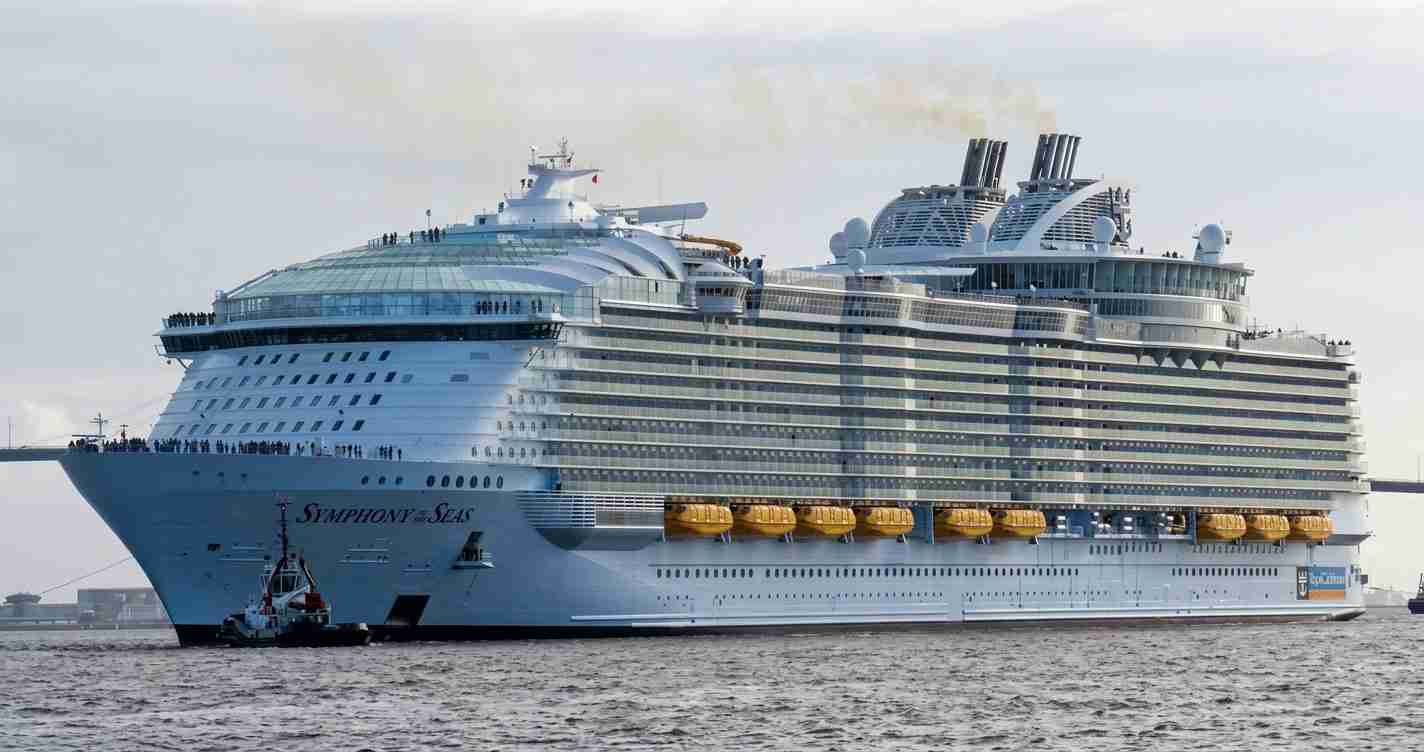
- Policy shift: A notice on Royal Caribbean’s Symphony of the Seas was obtained and reported by Cruise Hive, reflecting stricter enforcement against items on doors and corridor surfaces.
- Primary concerns: Lines cite cruise fire safety, damage from adhesives and increasing theft/vandalism as the chief reasons for tighter rules; enforcement varies by ship.
- Community impact: Door decorating—used for navigation, group ID and celebrations—faces limits; vendors of custom magnets (for example on Etsy) could see demand change.
- Practical advice: Passengers are advised to check ship notices, bring inexpensive or replaceable magnets, or limit decorations to inside the stateroom.
What triggered the debate
The most recent uproar began when passengers on Royal Caribbean’s Symphony of the Seas received an official notice that explicitly forbids placing materials on interior surfaces including stateroom doors and corridor walls, a communication reported by Cruise Hive. That marks a move from an informal, long-standing rule—“don’t damage anything and use flame-retardant materials”—to formal enforcement on some ships.
Why people decorate doors
For many passengers, decorating stateroom doors is both fun and practical. Vacationers hang personalized signs, festive banners and magnets to mark birthdays, honeymoons, family reunions or group trips. The practice helps identical-looking hallways become easier to navigate; forum users have noted decorations helped groups locate cabins after long evenings or when returning with drink packages. A market has grown around custom cruise magnets and door kits on sites such as Etsy.
Fire safety: the main justification
Cruise operators emphasize cruise fire safety as the chief reason for tighter rules. Cabin doors and nearby bulkheads are engineered to meet strict fire-resistance ratings and to contain smoke and flames for a set time. Adding combustible or improperly attached materials can interfere with those ratings or add fuel to a fire. For example, Carnival requires decorations to be fire-retardant and bans string lights; similar safety language appears across lines as officials tighten enforcement.
Damage from adhesives and maintenance costs
A recurring operational problem is damage to ship interiors caused by tape, glue, command strips and other adhesives. Cruise doors are often metal with special finishes; strong tape or glues can peel paint, leave stubborn residue or require refinishing. Disney Cruise Line explicitly warns guests not to use tape or similar adhesives on stateroom doors because of the risk to the finish. Repairs add maintenance costs and downtime; lines say limiting exterior decorations reduces that burden.
Theft, vandalism and onboard conflicts
As decorations have grown more decorative and sentimental, reports of theft and vandalism have risen. Cruise blogs and forums recount cases where personalized magnets and signs were taken, swapped, flipped or tampered with while passengers were ashore or sleeping. One incident was documented in a Royal Caribbean Blog forum thread in which a guest reported a stolen magnet and security later identified a responsible passenger. These episodes create distress for owners and extra work for ship staff mediating disputes.
How cruise lines are handling door decorations
Policies vary by company, ship and sailing, but clear trends have emerged:
- Royal Caribbean: The Symphony of the Seas notice reflects a stricter approach that bans materials on doors and corridors, moving from tolerant practice to formal enforcement as reported by Cruise Hive.
- Carnival: Rules require fire-retardant materials and prohibit string lights; many Carnival ships still accept magnetic-only decor when it meets safety standards.
- Disney Cruise Line: Disney cautions against tape and adhesives and typically allows magnets on metal doors if they meet safety rules.
- Other lines: Practices range from magnetic-only allowances to outright bans, often depending on ship design, crew decisions and flag- or port-state rules.
Enforcement is inconsistent: some ships quietly remove noncompliant items; others send pre-sailing emails or remove decorations immediately when rules are broken.
The cruiser community divide
The rules have split the cruising community. Supporters say door decor is an integral tradition that adds personality and helps groups find their cabin. Opponents and many neutral observers counter that safety and fairness must come first. Some passengers resent late-night photos and pranks around decorated doors, while others accept stricter stances to reduce theft and limit damage. Social media forums show passionate debate on both sides.
How passengers are adapting
Experienced cruisers are changing tactics. Common workarounds include:
- Bringing inexpensive or disposable magnets to reduce loss;
- Using larger or linked pieces that are harder to pocket;
- Photographing doors at the start of a cruise to document items;
- Checking current ship policies before sailing, and limiting decorations to inside the stateroom when needed.
Broader trends behind the crackdown
The debate mirrors larger shifts: stricter safety and compliance regimes after high-profile incidents, social-media-driven trends that increase participation (and attendant problems), and a move from informal cruising culture toward standardized, enforceable rules. When a popular tradition intersects with safety systems or recurring costs, operators often choose the more conservative, enforceable option.
Implications for the United States
Economic impact: Stricter door policies could slightly change passenger spending patterns. Vendors who sell custom magnets, door kits and themed decorations (many small businesses on platforms like Etsy) may see reduced demand if more lines ban exterior decor. Meanwhile, operators could save on maintenance costs and refinishing, which affect onboard budgets and, ultimately, pricing.
Political consequences: For a politically moderate conservative audience, the debate underscores a balance: private businesses setting rules to protect property and safety versus consumer traditions and personal freedom. Cruise lines have legal latitude to set safety-driven policies; passengers can press for clarity and consistency but cannot legally override company safety rules.
Social and cultural effects: The change may reduce one of cruising’s communal rituals. Families and groups that used door decorations to celebrate milestones may find cruises feel less personalized. At the same time, fewer decorations may reduce hallway clutter and late-night disruptions.
Practical applications for U.S. travelers
Before booking or boarding, American passengers should:
- Read the cruise contract and the line’s “Know Before You Go” notices for the latest Royal Caribbean door policy and similar guidance from Carnival and Disney;
- Pack inexpensive, replaceable magnets if they plan to decorate and want to minimize loss;
- Consider decorating inside the stateroom only if exterior decor is restricted;
- Photograph any onboard decorations at the start of the cruise to document ownership in case of theft.
Regulatory and industry watch
Watch for further policy updates. As lines tighten enforcement, travel agents and veteran cruisers will be important sources of up-to-date, ship-specific practices. Passengers who value the tradition should press for clear, consistent rules that allow low-risk personalization—such as standardized magnetic frames or company-approved decals—while operators work to protect safety and property.
Sources
- Cruise Hive: Royal Caribbean guest issues warning after cruise magnet theft
- Royal Caribbean Blog forum thread: Magnet thieves and drunk adults
- Etsy: Custom cruise magnet marketplace
Quote: “When a popular tradition intersects with safety systems or recurring costs, operators tend to choose the more conservative, enforceable option.”
For clarity, this article preserves original facts and links as reported in the sources above. Passengers should always verify ship-specific rules before sailing.