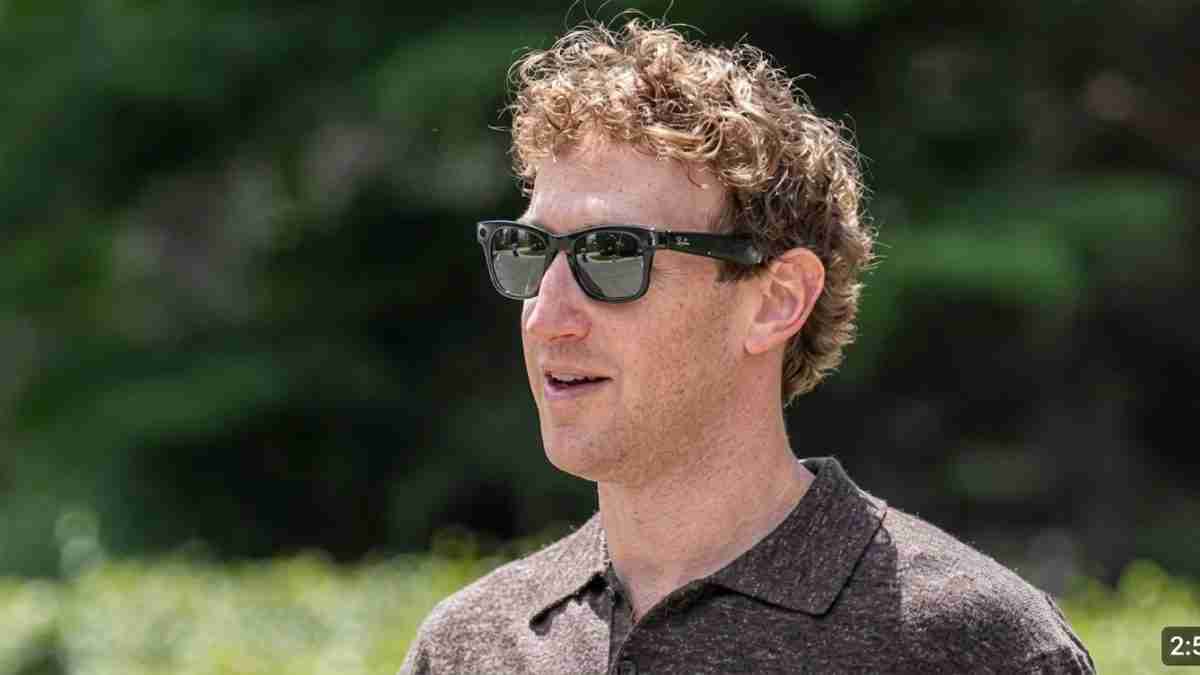
MENLO PARK, Calif., Aug. 10 (San Francisco News Online) — Meta founder and CEO Mark Zuckerberg says the company wants to put advanced artificial intelligence in the hands of individuals through personal AI agents, open-weight models and widely available tools — rather than leave the technology controlled by a few companies or governments.
Zuckerberg described that plan in a 14-page letter published Aug. 10, 2026, titled The Future is for Everyone: The Path to a Positive AI Future. The document sets out a philosophy for how Meta says advanced AI should be developed and distributed. It does not provide release dates for the proposed personal agents, new open-source models or a paid computing tier.
What is “personal superintelligence”?
The term refers to highly capable AI designed to work for an individual and understand that person’s goals and interests. In Zuckerberg’s description, these systems could help with health, careers, finances, hobbies, tutoring and creative projects.
Zuckerberg has not defined “superintelligence” as a specific technical benchmark in the letter. The term could describe a future level of AI capability rather than a system Meta currently offers.
He said Meta’s goal is to help people create, discover and solve problems, not simply automate existing jobs. “The defining questions of our age are who will have access to superintelligence and what will we direct it towards,” Zuckerberg wrote.
Why does Meta want to distribute it widely?
Zuckerberg’s argument is based on the idea that concentrated control of advanced AI could create a dangerous imbalance of power. He wrote that if superintelligence is held by a small number of individuals, businesses, governments or AI systems, the results could be worse for everyone else.
His framework has three parts: individual empowerment as the source of prosperity, invention as the main purpose of superintelligence, and a balance of power as the basis for safety.
“Rather than centralizing superintelligence, we should distribute it widely and give every person the ability to direct it,” Zuckerberg wrote.
He also argued that there should be multiple AI systems rather than one system controlled by a single organization. In his view, competition and broad access could create checks on excessive power.
That is a stated theory, not a demonstrated result. The information available about the plan does not show that Meta’s distribution model has been deployed, independently tested or proven to reduce AI-related risks.
What products and access plans did he describe?
Zuckerberg said Meta intends to distribute AI capabilities broadly, including free tools for billions of people. He described a paid option for users who want additional computing capacity, with a dynamic auction mechanism reportedly proposed for that tier.
The letter also said Meta would soon resume releasing some AI models as open source. Open-source systems generally make important parts of a model available for outside use or study. “Open-weight” models, a related term, make a trained model’s parameters available but may not disclose every part of how it was built.
CNN reported that Meta launched an open-weight model called Glimmer. Meta says Glimmer is intended to support AI models that run directly on personal computers instead of relying on data centers. The supplied information does not include a model card, version number, license, benchmark results or independent security review, so the model’s technical performance and availability cannot be assessed from the announcement alone.
The proposed personal agents and other tools are plans described by Zuckerberg, not capabilities confirmed as broadly available. The letter also does not specify when they would launch or what safeguards would govern them.
What would data centers have to do with the plan?
Zuckerberg tied widespread AI access to continued investment in computing infrastructure. He said communities that host data centers should receive benefits such as jobs, investment in schools and public services, protection from higher energy prices and environmental safeguards.
Those are policy goals described in the letter. The available information does not identify a specific San Francisco project, local investment, jobs total or effect on energy prices.
How does this fit Meta’s earlier AI message?
Zuckerberg has promoted a similar personal-AI vision before. In a July 2025 letter published by Meta and on social platforms, he suggested that glasses could eventually become a primary computing device for interacting with personal AI.
The newer letter broadens that idea into a strategy for distributing advanced AI across people, devices and competing systems. It also places Meta’s open-model approach at the center of the company’s argument that AI power should not be concentrated.
The central question remains practical as well as philosophical: whether Meta can make powerful personal AI broadly available while providing reliable privacy, safety, energy and misuse protections. Zuckerberg’s letter states the company’s preferred direction, but the supplied material does not establish the timetable, technical limits or governance rules for carrying it out.