
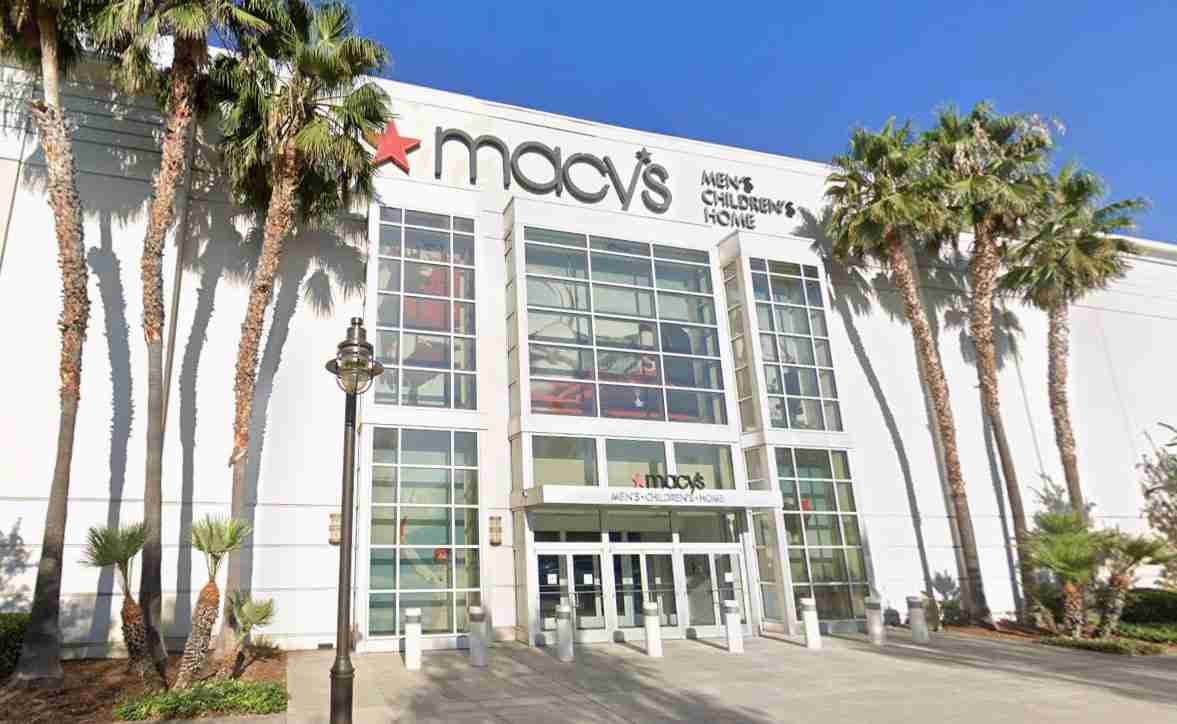
Macy’s to Close 14 More Stores in 2026 as It Pushes Ahead With ‘Bold New Chapter’ Turnaround Plan
Macy’s will close 14 additional underperforming stores, mainly in Q1 2026, as part of its ‘Bold New Chapter’ plan to shutter about 150 locations by year-end and focus on roughly 350 go‑forward stores and digital investments.
Key takeaways
- Macy’s to close 14 more stores in early 2026 as part of a plan to exit roughly 150 underperforming locations and concentrate on about 350 go‑forward stores.
- Clearance sales at affected stores begin mid‑January 2026 and will run ~10 weeks; impacted employees will be offered transfers, severance and outplacement support (The Daily Record, Axios).
- Confirmed closures include locations in California, Georgia, Maryland and Minnesota, with additional stores reported across multiple states (Bring Me The News).
- Strategy focus: smaller-format immersive stores, remodeled go‑forward locations, luxury assortments and supply‑chain improvements underpin the turnaround (Macy’s Inc. newsroom).
Main coverage
Why Macy’s is closing stores
Macy’s says the closures target “underproductive stores” so the company can streamline operations and invest in locations with stronger potential. CEO Tony Spring, in a January 8, 2026 memo, said the decisions were “not made lightly” and are intended to reimagine top stores, improve customer service, expand luxury assortments and tighten supply‑chain operations (The Daily Record, Fox Business, Axios).
“The choices were not made lightly,” the CEO wrote, emphasizing a push toward higher‑performing formats and better customer experiences.
Smaller-format stores and experiential focus
Macy’s is accelerating a shift to smaller‑format stores—about one‑fifth the size of a traditional Macy’s—to deliver immersive experiences and curated assortments. After a five‑year pilot in Texas, that format now appears at 21 U.S. sites, a move the company views as central to its long‑term strategy (The Daily Record).
Store closure details and confirmed locations
Macy’s has continued a portfolio review and confirmed a set of 2026 closures. Confirmed locations in this round include:
- Grossmont Center, La Mesa (5500 Grossmont Center Drive) and West Valley Mall, Tracy (3400 Naglee Road) — California.
- Northlake Mall, Atlanta (4880 Briarcliff Road NE) — Georgia.
- Marley Station Mall, Glen Burnie — Maryland.
- Crossroads Center, St. Cloud — Minnesota.
Other states named in reports for closures in this round include Michigan, New Hampshire, New Jersey, New York, North Carolina, Pennsylvania, Texas and Washington, though specific store addresses were not all listed as of January 14, 2026 (The Daily Record, Fox Business, Axios).
Employee impacts: impacted staff will receive notices and be offered transfer options where available; Macy’s has committed to severance and outplacement help but has not released exact job‑loss totals for this round (The Daily Record).
Performance signals and the path to profitability
In Q3 2025 (ending Nov. 1), Macy’s posted mixed results: comparable sales rose 2% overall, with go‑forward stores up 2.3% and remodeled stores up 2.7% — the company’s strongest comparable sales performance in three years. However, net sales fell 2.3% to $4.7 billion, reflecting lost volume from prior closures and traffic pressures (The Daily Record).
The company frames closures and investments as a path to sustainable, profitable growth, focusing capital on about 125 key locations for staffing, design and supply‑chain upgrades while expanding smaller immersive stores and digital experiences (Macy’s Inc. newsroom).
Broader retail context
Macy’s closures occur amid a wider wave of U.S. retail consolidation. Analysts note roughly 300 U.S. retail closures in 2026 across grocery and apparel chains reacting to shifts toward e‑commerce, higher fulfillment costs and changing mall traffic patterns (Business Insider, TheStreet).
Industry response: major retailers are balancing physical store costs against online growth, testing smaller formats, outlet concepts and experience‑driven spaces to attract foot traffic and higher‑margin sales (The Daily Record).
Financial and strategic implications
For investors and fiscally conservative readers, Macy’s actions represent cost control and efficiency: closing low‑performing stores reduces overhead and frees capital to remodel top locations, expand luxury assortments and strengthen digital channels (Macy’s Inc. newsroom, The Daily Record).
Execution and consumer response will determine whether margin improvements materialize: remodeled and go‑forward stores must continue gaining comparable sales while limiting revenue losses from closures.
Implications for the United States
Economic impact
- Job effects: local job losses are likely; Macy’s has promised severance and transfer options, but layoffs will affect mall economies and retail wages (The Daily Record).
- Commercial real estate: vacant anchor spaces can depress traffic and values; redevelopment to offices, medical facilities or fulfillment hubs is possible but costly.
- Small business & tax revenue: reduced foot traffic can hurt smaller tenants and sales tax receipts, though repurposing may diversify local economies over time.
Political consequences and social effects
Political: local officials may face pressure to support displaced workers, incentivize new tenants or expedite redevelopment permitting; closures could surface in local campaigns debating economic stewardship and workforce development (The Daily Record).
Social: department store closures can erode community rituals and reduce access to goods and customer service for residents without reliable online options; older and part‑time retail workers may struggle to transition without robust retraining.
Practical applications for residents and officials
- Workers: review transfer offers, severance terms and outplacement resources; expect local job centers to see increased demand (The Daily Record).
- Local businesses & property owners: prepare redevelopment strategies for large vacant footprints—consider mixed‑use, medical, education or smaller retail footprints to revive traffic.
- Policymakers: consider short‑term assistance and long‑term workforce partnerships targeting logistics, healthcare and tech‑enabled roles.



