St. Paul Korean immersion school moves classes online amid reported ICE activity as local group urges noncitizens to stay home
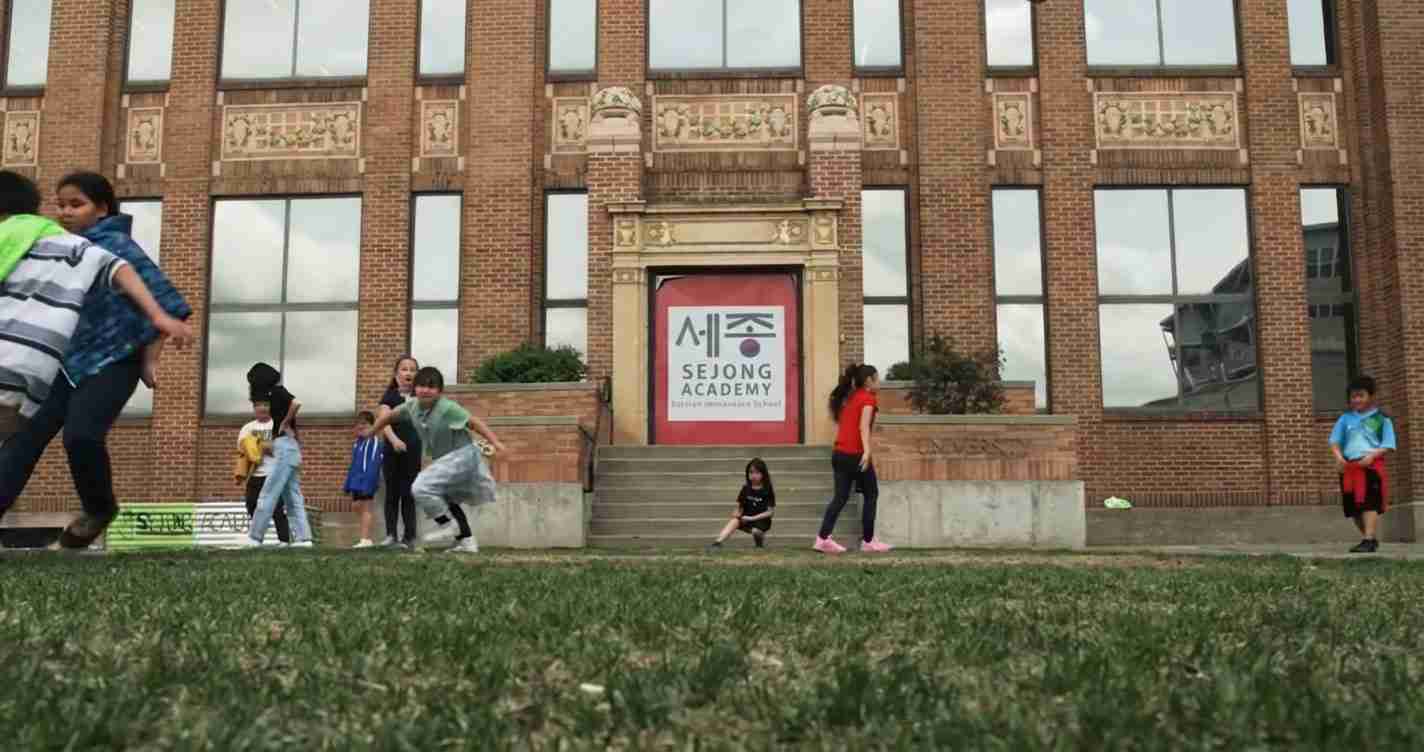
Sejong Academy, a taxpayer-funded Korean immersion charter in St. Paul, moved to remote learning on Jan. 14–15, 2026, citing unspecified concerns for the “safety and well‑being” of its community and parents amid reported ICE activity nearby.
- Remote shift: Sejong Academy moved to online learning Jan. 14–15, 2026, for the safety and well‑being of students and staff (no explicit explanation naming ICE was given).
- Community advisory: Urban Village posted guidance urging noncitizens and those without green cards to stay home amid reported enforcement activity.
- Unclear coordination: Public notices did not tie the school’s decision to immigration enforcement; links between ICE reports, the advisory, and the closure remain unconfirmed.
School closure and the notice
Sejong Academy posted a brief message on its website announcing that in-person learning would shift to online for Jan. 14–15, 2026, citing the “safety and well‑being” of students and staff but providing no additional detail or naming any external threat. The academy’s public message made no explicit mention of immigration enforcement.
Teachers converted lessons to remote formats for the short period; the school calendar shows the online shift covered only two school days. For calendar details see the Sejong Academy calendar.
Urban Village advisory and community response
Urban Village, a Minnesota-based community group, released a video and social posts advising people without legal status or green cards to remain home, avoid driving and limit contact amid reports of increased enforcement activity. Reporting described amplified fear, especially within the local Myanmar community, with parents missing work, skipped medical appointments and children staying home from school and activities.
“Parents missed work, medical appointments were skipped and children missed school and activities,” community posts and reporting said, describing the ripple effects of enforcement alerts.
Coverage of the advisory and its effects appeared in local reporting; see the item on Fox News and local radio coverage at WCCS Radio.
ICE activity and uncertainty
Local reports tied the timing of the school’s online move to unconfirmed reports of U.S. Immigration and Customs Enforcement presence in St. Paul. There was no publicly available official ICE statement linking raids to the school or to Urban Village’s advisory at the time of reporting.
The result: an uncertain relationship among reported ICE activity, community advisories and the school’s decision — the public record did not establish a direct link. Sources reporting this timeline include Fox News and WCCS Radio.
Sejong Academy background and public funding
Sejong Academy is a tuition-free public charter at 2410 Stillwater Road East, St. Paul, offering Korean language immersion from pre-K through upper grades. Early grades are taught nearly entirely in Korean, shifting to roughly 80% Korean instruction by grades 2–3. See the school’s immersion description at Sejong Academy immersion and enrollment materials at Sejong Academy enrollment form.
Local reporting citing reviewed IRS filings noted the school received more than $7 million in government grants, a fact which has prompted public questions about how taxpayer-funded institutions communicate and respond during local enforcement events. That grant reporting was discussed in coverage by WCCS Radio and Fox News (sources referenced IRS filings reviewed by ProPublica in local accounts).
Coordination questions and transparency
It remains unclear whether Sejong Academy coordinated with Urban Village or other groups before moving to remote learning. The school’s notice did not cite external advisories, law enforcement input or specify threats. Community members have raised questions about how decisions are made and communicated during enforcement events, and about public transparency from institutions receiving taxpayer funds.
Implications for the United States
Economic impact: Fear-driven avoidance of work and services can reduce household income, strain small businesses and healthcare providers, and increase costs for schools forced to shift online suddenly. Policymakers may ask how public funds support continuity of education during abrupt closures.
Political consequences: Incidents like this can intensify debates over immigration enforcement, community safety, and the role of public institutions — prompting calls for clearer communication from schools and law enforcement.
Social effects: Enforcement anxiety can fragment communities, discourage access to healthcare and legal services, and disrupt children’s schooling and well‑being. Community organizations often fill information gaps, but mixed messages can worsen anxiety.
Cultural relevance: Disruptions affect not only academics but also cultural education and community cohesion at immersion schools that serve families valuing language and heritage.
Practical applications for institutions and policymakers
- Develop clear emergency communication plans specifying criteria for shifting to remote learning and named points of contact.
- Encourage coordination among schools, community groups and law enforcement to reduce uncertainty while safeguarding privacy and civil rights.
- Prioritize public transparency so parents can make informed choices; community advisories should aim for accuracy and minimize unnecessary disruption.
Reporting notes
This article synthesizes local news accounts and the school’s public materials. Timing of Sejong Academy’s online shift and Urban Village’s advisory overlapped, but no clear public link between the school’s decision and immigration enforcement was established in available reporting. The school’s notice did not reference ICE or specify the safety concerns cited.