
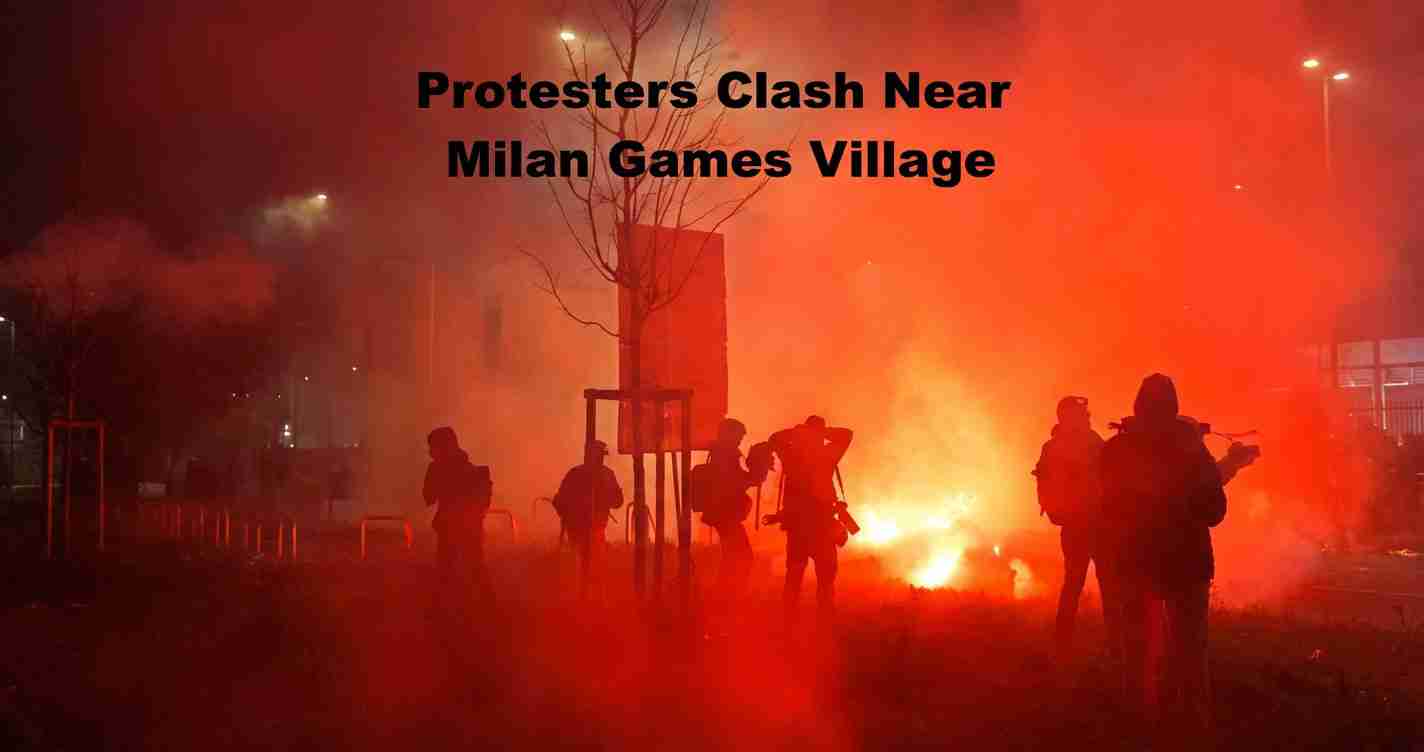
Milan Olympics Protest Erupts in Corvetto; Police Use Tear Gas, Water Cannons Near Ice Rink
On February 7, 2026, clashes erupted in Milan’s Corvetto as protesters opposing the Milan‑Cortina Winter Olympics confronted police near the Santagiulia Ice Hockey Arena; officers deployed tear gas and water cannons and detained multiple people.
- Police used water cannons and tear gas after objects, firecrackers and smoke bombs were reportedly deployed by some demonstrators.
- At least five people detained during confrontations near the Santagiulia arena and nearby construction sites.
- Protest themes: environmental, economic and social concerns over the Games’ footprint and local impacts.
- Security alert: international advisories urged avoidance of protest areas and possible travel disruptions.
What happened: timeline and scene
Early afternoon march: a large demonstration that organizers described as opposing “Unsustainable Olympics” drew thousands through Corvetto toward Olympic venues and construction sites. Video and live footage show the route remained mostly peaceful until tensions rose near the new Santagiulia Ice Hockey Arena.
Escalation: masked protesters were filmed on a bridge about 800 meters from the Olympic Village setting off smoke bombs and firecrackers. As the crowd reached the perimeter of the Santagiulia arena, some participants reportedly threw objects at police. Law enforcement responded with water cannon and tear gas to disperse the most aggressive elements; authorities moved through the area in pushes and withdrawals while making arrests.
Visual record: live streams captured smoke bombs, firecrackers, police response and detentions in real time.
Who organized the protest and what they demanded
The march was organized under anti‑Olympics banners and social media campaigns stressing environmental, economic and social harms tied to the Games. Protesters criticized:
- the use of alpine environments and perceived environmental damage;
- heavy public spending with limited transparency and contested local benefit;
- social dislocation from construction and housing shifts.
Organizers framed the action as part of broader #NoOlimpiadi efforts. A named coalition — the “Unsustainable Olympics Committee” — was referenced in some accounts but not independently verified across the primary live‑coverage sources available at the time of reporting.
Venue concerns and construction scrutiny
The clashes occurred within sight of the Santagiulia Ice Hockey Arena, a newly built venue that has been criticized for construction delays and questions about rink size. Protesters argued the visible construction and ongoing site work underscored their claim that Games projects were prioritized over community needs.
Security advisory and arrests
Detentions and tactics: officials detained at least five people. Police used water cannons and tear gas after some demonstrators reportedly threw objects and set off firecrackers and smoke bombs.
Advisories: Global Guardian, an international security firm, issued a travel alert advising avoidance of protests and recommending rerouting; that advisory was reported in AP briefings and local coverage. The alert cautioned of continued disruptions in the hours after the clashes.
Key visual documentation and reporting are available via Euronews video, a longer Euronews article and live streams such as YouTube footage.
Protest targets beyond the Olympics
In addition to criticizing the Winter Olympics, some demonstrators targeted the presence of U.S. Immigration and Customs Enforcement (ICE) agents in Italy. Anti‑ICE rhetoric and banners tied immigration enforcement concerns into the broader protest platform, reflecting wider activism against overseas deployments of U.S. law‑enforcement personnel.
Implications for United States
Security and travel: U.S. travelers, athletes, broadcasters and staff should expect heightened security and possible disruptions near Olympic venues and neighborhoods like Corvetto. The travel alert and visible clashes suggest short‑term transit and service impacts.
Diplomatic considerations: protests singling out U.S. agencies could create diplomatic friction; routine U.S.‑Italian coordination on venue and athlete security may require private engagement to manage optics and operations.
Reputational and financial risks: American broadcasters, sponsors and vendors face potential reputational exposure if narratives of mismanagement or social harm gain traction — a concern for stakeholders monitoring cost overruns and project delivery.
Athlete safety: clashes near training or accommodation sites, including the Olympic Village that houses roughly 1,500 athletes, can prompt stricter perimeters, schedule adjustments and altered logistics.
Political resonance: themes of fiscal restraint, environmental stewardship and housing impacts may echo in U.S. domestic debates over public spending and large international events.
Practical guidance for U.S. interests
- Register and monitor: Americans in Milan should follow local authorities and consular updates and avoid protest areas.
- Broadcasters and partners: review contingency plans for site access, credentialing and protective services.
- Sponsors and vendors: monitor reputational exposure and prepare communications if personnel or services are affected.
Reporting gaps and verification
A precise coalition name for the protest (for example, the “Unsustainable Olympics Committee”) was mentioned in initial briefings but not independently verified across the primary live‑coverage sources. Detailed law‑enforcement statements, official injury counts and full arrest records were not available in initial footage. Reporters will continue seeking statements from Milan police, Olympic organizers and protest representatives.
Ongoing coverage
Initial reporting indicated the situation stabilized after the confrontations and no major injuries or large‑scale damage were reported. However, security advisories and on‑the‑ground reports point to heightened tensions that could persist around Olympic sites as events proceed.
Sources
- Euronews video
- Euronews article
- YouTube footage
- AP reporting and Global Guardian advisory (as referenced in briefing materials)


