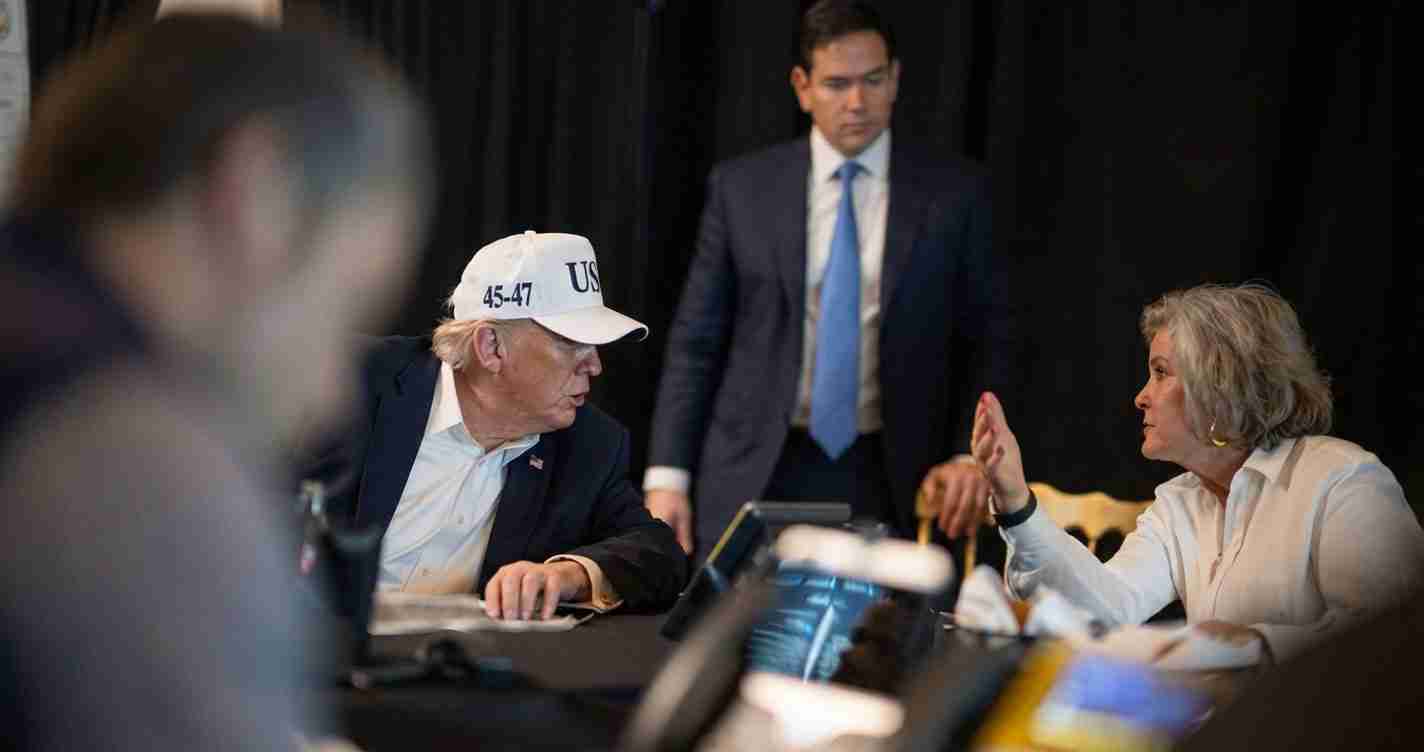
Whoop CEO clarifies security after viral photo — Susie Wiles was wearing a fitness tracker, not a smartwatch
Whoop CEO Will Ahmed said White House Chief of Staff Susie Wiles wore a Whoop fitness tracker — not a smartwatch — during a Mar-a-Lago meeting on Feb. 28, 2026, denying any security breach concerns and noting NSA approval.
- Device identified: Whoop CEO Will Ahmed confirmed the wristband seen on Susie Wiles was a Whoop fitness tracker, not a smartwatch, aiming to dispel online speculation (Fox Business).
- Technical limits: Ahmed said the band lacks a microphone, GPS and cellular radios and syncs via Bluetooth — and he stated it is approved by the NSA (The Chosun Ilbo).
- Context: The image showed President Trump and aides monitoring Operation Epic Fury on Feb. 28, 2026 — the photo spurred alarm about potential smartwatches in a sensitive setting (Fox Business).
- Open questions: Officials still need to clarify device checks, document any formal agency approvals, and explain White House guidance for that meeting (The Chosun Ilbo).
Main content
What Will Ahmed said on social media
Ahmed entered the online debate after a widely shared image showed senior officials at Mar-a-Lago monitoring an operation. He posted to X that the band was a Whoop fitness tracker and sought to quickly end speculation:
“It’s called a whoop. There’s no story here other than a dead ayatollah and a green recovery.”
That statement was reported by Fox Business.
Device capabilities and Whoop’s defenses
Whoop produces a subscription-based wristband focused on measuring sleep, strain and recovery. Ahmed emphasized the band’s limited hardware: no microphone, no GPS, no cellular radios, and uses Bluetooth to sync with a paired phone. He also stated the device is “NSA approved” — a claim repeated in coverage (The Chosun Ilbo), though public records and formal documentation should be consulted for details of any official approvals.
Why the photo set off alarms
Many secure U.S. government settings restrict personal electronics that can transmit data. Smartwatches and phones are commonly limited or banned because of theoretical risks — audio recording, photography or data exfiltration. The wristband in the image resembled a smartwatch to some observers, prompting concern about whether a connected device was present during sensitive discussions (coverage in Fox Business).
Background: the Mar-a-Lago meeting and Operation Epic Fury
The photo was taken during a high-pressure gathering at Mar-a-Lago where President Trump and senior aides, including Secretary of State Marco Rubio and Chief of Staff Susie Wiles, monitored the aftermath of Operation Epic Fury on Feb. 28, 2026. Reports say the operation resulted in the killing of Iran’s supreme leader, Ayatollah Ali Khamenei, and other senior officials, which magnified public interest in images from the meeting (Fox Business; The Chosun Ilbo).
Security protocols and questions that remain
Ahmed’s explanation provided a rapid clarification, but it left several operational questions for officials and security teams:
- What formal device checks were performed before the meeting?
- Does Whoop have documented agency approvals that permit use in sensitive settings?
- What specific White House guidance applied to that gathering and to personal health devices generally?
At the time of reporting the White House had not publicly addressed the device or the meeting’s device checks, and news outlets noted the administration’s lack of immediate comment (Fox Business).
Implications for United States
Economic: The incident highlights demand for formal security assessments and certifications for consumer wearables, creating potential opportunities for certifiers and manufacturers offering “secured” device variants.
Political: For moderate conservative audiences the episode balances priorities: enforcing strong national security while allowing reasonable use of personal health tools that aid staff performance during operations.
Social & cultural: The quick spread of speculation from a single image underlines how misidentification can fuel mistrust; prompt clarifications from responsible parties help slow misinformation.
Practical: Agencies may tighten pre-meeting device checks, create lists of pre-approved health devices, or establish temporary collection policies to reconcile health-monitoring needs with security requirements.
Whoop’s public profile and partnerships
Founded in 2012, Whoop markets a wrist-worn band and subscription analytics to athletes and consumers. The company has partnerships with sports organizations such as the PGA of America and positions its band as a sensor-first device focused on performance metrics — a profile that increased visibility among public figures and helped fuel interest after the Mar-a-Lago photograph (Fox Business).
Conclusion
Will Ahmed’s identification of the band as a Whoop tracker aimed to calm immediate concerns by pointing to the device’s limited technical footprint. However, the episode raised broader questions about device policies in sensitive settings and whether more formal approvals or documentation are needed to reassure officials and the public (The Chosun Ilbo; Fox Business).