Passenger kicked off American Airlines flight after playing loud video, launches profanity-filled tirade — video sparks debate on in‑flight rules
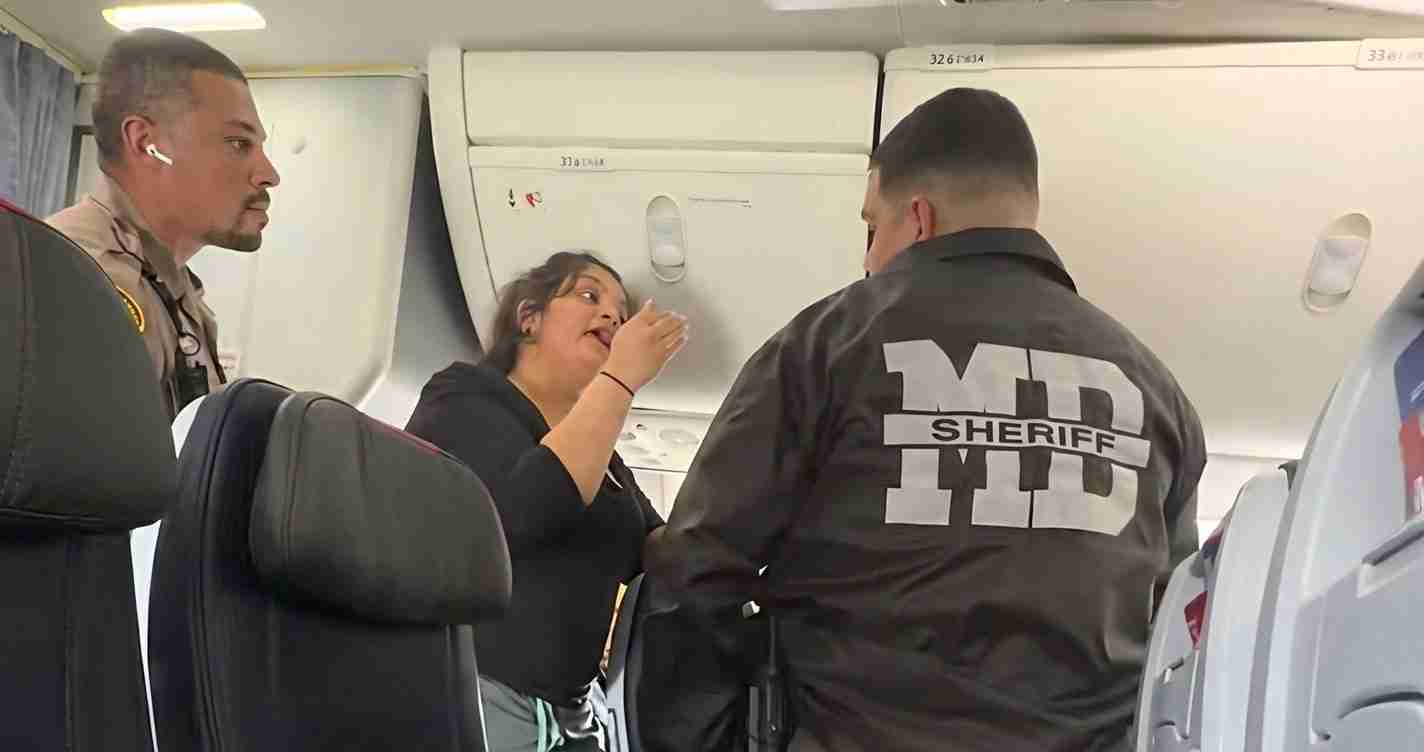
A disruptive passenger was removed from an American Airlines flight from Miami to Tampa on Feb. 26 after refusing to stop playing loud videos without headphones, triggering a profanity-laced tirade captured on video and shared on social media.
- Removal after disruption: A woman was escorted off an American Airlines flight by officers after passengers and crew reported she played a loud video without headphones (WorldStarHipHop video).
- Passenger protest: On video she insists she played the clip “for 30 f**king seconds at 50% sound,” invokes free speech, and disputes crew accounts.
- Limited official detail: The publicly posted clip contains no flight number, airline statement, or police report, leaving several facts unverified.
What the video shows
The user-uploaded clip, shared Feb. 26, depicts a tense cabin confrontation as crew move to remove a woman after complaints about loud audio. She repeatedly tells staff she only played a clip briefly and at half volume. At one point she shouts,
“What the actual f**k?”
before daring staff to call law enforcement. Two officers then appear and guide her toward the aircraft door; some passengers applaud while others record. (WorldStarHipHop video)
Passenger claims and crew assertions
In the recording the passenger insists her actions were harmless, claiming she stopped after a second warning and invoking free-speech rights. Other travelers in the clip describe her as drunk and belligerent before departure, suggesting crew removed her after repeated disruptions. The video does not include an American Airlines statement or footage of any police or airport reports, making independent verification incomplete. (WorldStarHipHop video)
Airline rules and passenger responsibilities
Airlines set conduct rules covering interference with crew duties and disruptive behavior. Cabin crew have authority to remove or refuse transport to passengers whose actions threaten safety, comfort, or order. The posted clip shows a removal but does not include any on-camera citation of a specific policy by crew members; in practice, gate law enforcement often makes the final removal decision.
The role of social media and viral clips
The clip was reposted widely on platforms that aggregate viral content. Such short videos often show only a fragment of events and may omit earlier warnings, de-escalation attempts, or context about passenger behavior. Social media can rapidly amplify outrage and shape public perception before official statements or reports are released. (WorldStarHipHop video)
Free speech vs. private-carrier rules
The passenger’s repeated invocation of “free speech” highlights a common misunderstanding: constitutional free-speech protections typically limit government action, not private businesses. Airlines operate under federal safety regulations and contracts of carriage that allow them to set limits on behavior — including volume and headphone use — even when passengers assert broader speech rights.
Law enforcement involvement
Two officers appear in the video and escort the woman off the plane after a brief exchange in which an officer directs her to the exit and suggests she “express your feelings over there.” The footage contains no visible citation or charging information, and no police report accompanies the clip.
Missing pieces and unanswered questions
Key details are absent from the posted video: there is no public American Airlines statement, no flight number, and no passenger identification. The timeline prior to the recording — including how many warnings were given or the exact content of crew requests — is not shown. Those details would ordinarily appear in an airline statement or police report, neither of which was available with the clip at the time of reporting.
Context: growing focus on in‑flight disruptions
This incident occurs amid heightened attention to unruly passenger behavior. Airlines and regulators have tightened procedures for handling disruptive travelers, citing safety and crew welfare. Public debate now centers on balancing individual expression with other passengers’ right to a peaceful flight; viral videos like this feed that debate by showcasing direct clashes in confined cabins.
Implications for United States
Economic impact
Removals and law enforcement involvement can cause costly delays, require staff time, and produce operational complications. Rising rates of disruptive incidents could increase insurance and liability exposure for carriers and ultimately affect ticket prices and schedules.
Political consequences
The episode resonates with themes of personal responsibility, respect for private businesses, and rule enforcement. Some audiences may call for stronger on-board enforcement, while debates about free speech and individual rights will persist when private rules intersect with public values.
Social effects
Videos of unruly behavior in public spaces fuel conversations about civility. Witnesses often report feeling unsafe or stressed; repeated disruptions can erode confidence in routine travel. The applause captured as officers escorted the passenger away indicates many travelers support enforcement of norms that protect shared spaces.
Cultural relevance
This clash reflects changing norms around public behavior and ubiquitous personal technology. As phones and streaming grow more prevalent, etiquette questions — like using headphones — become central. The passenger’s use of constitutional language underscores how legal concepts are sometimes invoked in disputes over private conduct.
Practical applications for travelers
- Know the rules: Follow crew directions and airline policies; headphones are a low-cost way to avoid conflict.
- De-escalate when possible: Lowering your voice and complying with reasonable requests can prevent removal or arrest.
- Record responsibly: Video documents incidents but rarely captures full context; note what’s missing before drawing conclusions.
- Expect enforcement: Airports and airlines can remove passengers whose conduct disrupts service; legal free-speech protections do not automatically shield such behavior on private flights.
Source
Video of the incident as posted online: Video of the incident as posted online