Burger King’s “Patty” AI Monitors Drive‑Thru Manners: Coaching Tool or New Wave of Workplace Surveillance?
Burger King has deployed “Patty,” an AI assistant listening to drive‑thru headsets to score politeness, assist with operations and manage inventory — sparking debate over whether it’s a coaching aid or an invasive step toward workplace surveillance.
- Patty listens to headset interactions and scores politeness while also assisting with recipes, cleaning and inventory.
- Pilot expanded from ~100 to ~500 locations with a nationwide rollout targeted by year‑end and broader BK Assistant release by 2026.
- Labor groups warn of invasive monitoring and call for transparency on recording, data retention and use of scores.
- Operational gains vs. worker autonomy frame the policy debate for regulators, franchisees and customers alike.
How Patty works on the line
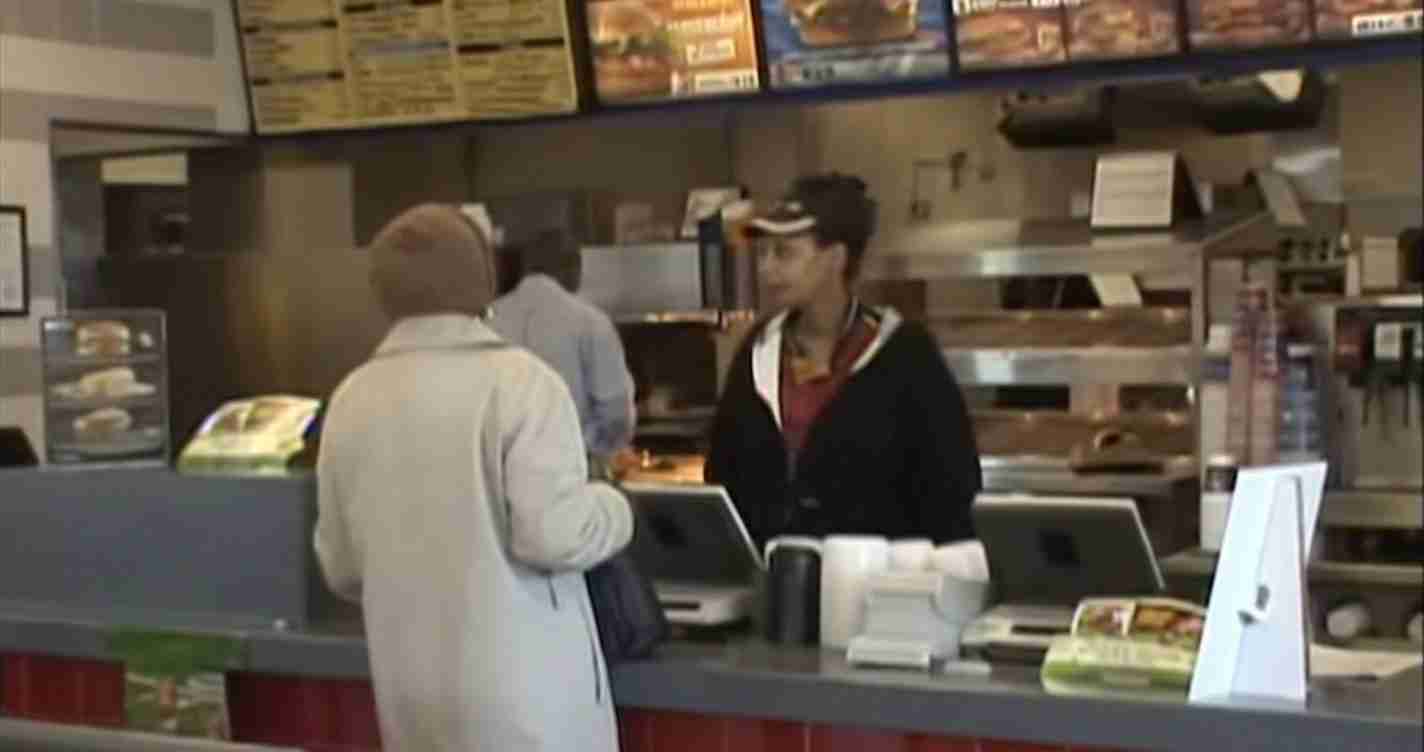
Patty is a voice‑enabled assistant embedded in employee headsets at Burger King drive‑thrus. The system analyzes spoken interactions in real time for certain phrases and patterns that the company has defined as markers of friendliness. When Patty detects required words or a lack of them, it compiles that information into reports for managers to review.
Beyond politeness scoring, Patty also:
- Answers staff questions about recipes and cleaning procedures.
- Flags inventory shortages and alerts managers when equipment fails.
- Can remove sold‑out items from digital menus and the Burger King app automatically.
- Has influenced menu decisions based on customer question patterns.
“Manners coach, kitchen assistant and data analyst in one,” as Burger King frames Patty’s mix of functions.
(Sources: Entrepreneur, Fox News, MediaPost)
Company justification and corporate framing
Burger King’s chief digital officer says Patty was developed after conversations with franchisees and customers to define friendliness in measurable terms. Executives emphasize Patty as a coaching tool rather than surveillance, arguing that consistent, friendly service can be measured like speed or order accuracy.
Burger King highlights other business uses: inventory alerts to cut waste, outage notifications to reduce downtime, and data‑driven menu adjustments — for example, tracking interest that contributed to the apple pie return after its 2020 removal.
Rollout, scale and technical partners
Patty uses underlying technology from OpenAI combined with Burger King’s proprietary systems to tailor functionality for restaurants. Testing began at about 100 U.S. locations last year, expanded to roughly 500 restaurants during the pilot, and Burger King aims for a nationwide rollout by the end of the year. The broader BK Assistant platform is expected to reach all U.S. restaurants by the end of 2026.
(Sources: Entrepreneur, Fox News)
AI employee monitoring: critics and labor concerns
Not everyone accepts the coaching explanation. Labor advocates view Patty as another form of AI employee monitoring. Lauren McFerran of the AFL‑CIO Technology Institute warned this reflects a wider trend of dehumanizing monitoring. Social media users cautioned Patty could flag workers for small lapses during hectic shifts.
Key risks critics highlight include:
- Pressure and stress: Constant scoring could add pressure in already high‑stress environments.
- Accuracy and context: Short phrases don’t capture tone, context, or nonverbal cues — a missing “please” may not equal rudeness.
- Use of data: Unclear whether scores will affect schedules, performance reviews or disciplinary actions.
- Privacy: Questions remain about audio storage, retention periods and access controls.
Fast food AI technology across the industry
Burger King is not alone: chains including Wendy’s, Taco Bell, McDonald’s, Pizza Hut and KFC have tested AI for automated ordering, menu personalization and drive‑thru speed. Tests have produced mixed results — some customers praise faster service, while others report glitches or awkward interactions.
What sets Patty apart: its focus on employee behavior and interaction quality, not solely customer convenience.
(Source: Fox News)
Transparency, oversight and the policy angle
The rollout raises policy questions: how to balance operational gains with worker protections. Important regulatory issues include audio recording consent, limits on use of performance data, and transparency about what the AI listens for and how scores are applied.
Recommended company policies for clarity and worker protections:
- Explain what Patty listens to and why.
- Disclose whether audio is stored, retention length, and who can access it.
- Clarify how politeness scores will affect reviews, scheduling, or discipline.
- Provide processes for workers to contest or correct their records.
Implications for United States
Economic impact: Patty could reduce menu errors, waste and downtime — potentially boosting franchise revenues — but heightened monitoring may increase turnover and hiring costs if workers feel over‑watched.
Political and regulatory consequences: Expansion will likely draw lawmaker and regulator scrutiny. State privacy laws and federal labor oversight may be implicated if scores influence discipline.
Social effects: Drive‑thru workers, often younger and lower paid, may experience changes in morale and mental health depending on how monitoring is used. Conversely, instant operational help could be a real benefit for some employees.
Practical applications for day‑to‑day life
For consumers, Patty aims to deliver friendlier, more consistent drive‑thru interactions and fewer sold‑out surprises on apps. For workers, Patty can simplify tasks by answering quick questions and flagging broken equipment — provided employees understand how the data may affect them.
“How managers use Patty will determine whether it feels like support or supervision.”
Sources and further reading
- Entrepreneur: “Burger King tracks employee politeness with AI ‘Patty’”
- Fox News: “Burger King AI listens to workers”
- MediaPost: “Burger King using AI to aid employees, monitor speech”