
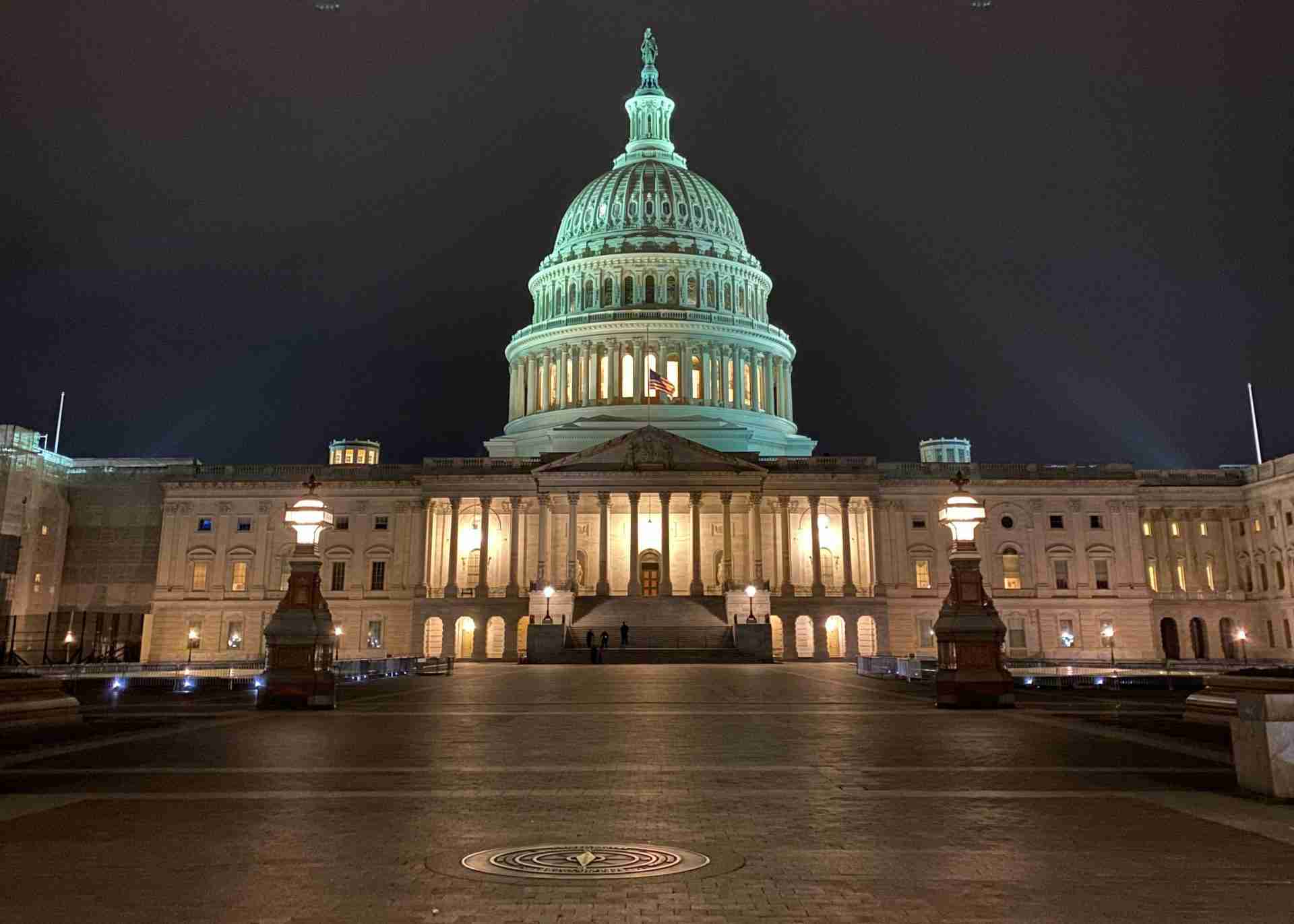
Shutdown explained: Who works, who doesn’t and how much it costs as government shutdown 2025 deadline nears
A potential federal shutdown could begin if Congress misses the midnight Oct. 1, 2025 funding deadline. This guide explains who is required to work, who is furloughed, the political dispute over Obamacare subsidies, and expected costs.
Key takeaways
- Deadline: Congress must fund agencies by midnight Oct. 1, 2025, or risk a shutdown — per USAFacts and SRCD.
- The fight: House Republicans seek a “clean” continuing resolution through Nov. 21; Democrats want that plus an extension of Affordable Care Act premium tax credits — see USAFacts and a HKS Law advisory.
- Stakes: Extending premium tax credits could lower premiums and expand coverage but carry an estimated CBO cost of about $350 billion through 2035 (USAFacts).
Main
Key information
Deadline: Congress must pass funding by midnight on October 1, 2025, or the government risks a shutdown. Sources: USAFacts and SRCD.
The fight: House Republicans propose a “clean” funding bill to extend spending to Nov. 21 at current levels; Democrats want that extension plus an extension of Affordable Care Act premium tax credits (Obamacare subsidies). See analysis from USAFacts and a HKS Law advisory.
Stakes: Extending subsidies could reduce premiums for many and raise coverage by millions but may increase the deficit by an estimated $350 billion over a decade, per the Congressional Budget Office estimate reported by USAFacts.
What is a shutdown?
A government shutdown occurs when Congress does not pass, or the President does not sign, laws that fund agencies and programs. When funding lapses, many federal tasks stop until lawmakers approve new spending. Essential services tied to life and safety continue; many other services pause. Source: USAFacts.
“Essential services tied to life and safety continue; many other services pause.”
Who works and who doesn’t
In a shutdown, agencies classify jobs as excepted (essential) or non-excepted (non-essential). Agency contingency plans and Office of Management and Budget guidance determine the lists.
Essential (excepted) personnel
- Who: Workers who protect life and property — active-duty military, air traffic controllers, federal law enforcement, some federal healthcare staff — continue to work even without pay during the shutdown.
- Pay: These employees are required to report for duty and typically receive retroactive pay once funding is restored. Source: USAFacts.
Non-essential (non-excepted) personnel
Many federal employees are furloughed and sent home; agencies stop nonessential activities. The Office of Management and Budget has asked agencies to prepare for furloughs and layoffs in contingency plans. See USAFacts guidance.
Contractors
Federal contractors often do not work and typically do not get paid during a shutdown. Unlike many federal employees, contractors usually do not receive guaranteed back pay unless Congress later approves it — a sharp short-term hit to private firms reliant on government contracts. Source: USAFacts.
Political standoff over funding and Obamacare subsidies
The core disagreement: whether to pass a short-term, “clean” continuing resolution or to attach policy changes. House Republicans have proposed a clean funding extension through Nov. 21 at current levels with added security spending; Democrats insist any short-term extension include an extension of Affordable Care Act premium tax credits that lower marketplace premiums.
Democrats argue the subsidy extension would keep millions insured and lower premiums (a Democratic plan could raise insured Americans by about 3.8 million). Republicans argue that extending subsidies without offsets increases the deficit; the CBO estimate cited by USAFacts estimates roughly $350 billion through 2035.
How much a shutdown costs
Direct costs: Congress has routinely approved back pay for furloughed federal employees when funding returns, raising the eventual bill. Source: USAFacts.
Indirect costs: Delays in permits, paused regulatory reviews, closed national parks, and suspended research can stall private projects and reduce tourist revenue — local and national losses that accumulate. Source: USAFacts.
Budget and policy costs: The debate over extending Obamacare subsidies carries long-term fiscal consequences; Republicans point to the CBO’s $350 billion estimate while Democrats highlight lower premiums and expanded coverage benefits. See USAFacts.
What day-to-day life looks like if federal operations cease
- Travel and safety: Air traffic controllers and essential TSA staff keep airports operating, but some security and inspection services could slow. National parks, museums, and monuments may close or reduce operations, hitting tourism and local economies (USAFacts).
- Health and benefits: Programs like Social Security and Medicare typically continue, but processing delays for new claims may occur; federally run clinics and research programs may cut back (USAFacts).
- Small businesses and contractors: Contractors can lose access to federal work and paychecks immediately, causing layoffs and slowdowns in dependent private sectors (USAFacts).
Legal and agency planning
Agencies maintain contingency plans and lists of excepted positions. The Office of Management and Budget has instructed agencies to prepare for potential furloughs, layoffs, and service interruptions; those plans guide who stays, who goes, and how long some services can continue on reserve balances. Sources: SRCD, USAFacts.
Numbers to watch
- 3.8 million: Estimated additional people who could gain insurance if subsidies keep premiums lower (USAFacts).
- $350 billion: CBO estimate of added federal deficit through 2035 if premium tax credits are extended as Democrats propose (USAFacts).
- 8%: Approximate share of Americans currently uninsured; Democrats say subsidies could cut that rate (USAFacts).
Implications for the United States
Economic impact: A shutdown can slow GDP growth for the affected quarter. Local economies tied to federal activity — national parks, military bases, federal contractors — feel immediate pain. Delayed permits can freeze private investment (USAFacts).
Political consequences: For a politically moderate conservative audience, the fight frames two priorities: fiscal restraint and orderly government. Republicans emphasize holding spending steady and avoiding deficit growth; Democrats stress keeping health-care affordability central. See USAFacts and a HKS Law advisory.
Social effects: Furloughed workers face immediate financial strain even if back pay is later approved. Communities reliant on tourism around federal sites may lose revenue; delayed services can hurt vulnerable populations. Extending Obamacare subsidies would reduce premiums and improve coverage for millions, benefiting families nationwide (USAFacts).
Practical actions for residents
- Expect delays for some federal services; check agency websites for updates.
- Federal employees and contractors should consult agencies and unions for specific guidance.
- Citizens who buy ACA marketplace plans should watch for announcements about premium credits and open enrollment changes. Sources: SRCD, USAFacts.
Preserve original facts and sources when sharing.



