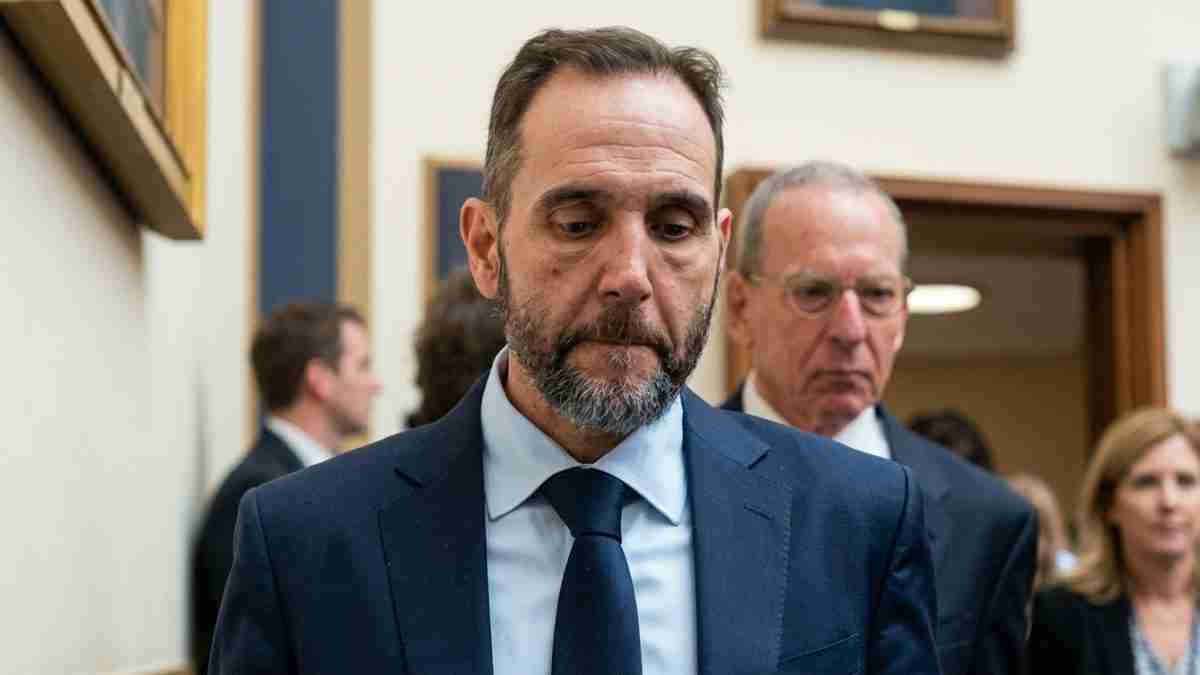
WASHINGTON, Sept. 22 (DC Times Online) — House Judiciary Committee Republicans released six transcripts on Sept. 22, 2026, adding new testimony to their investigation of phone-record subpoenas used during the Arctic Frost investigation involving former special counsel Jack Smith.
The transcripts include testimony from five prosecutors who worked with Smith and Brian Burnett, a former special agent with the Justice Department’s Office of Inspector General. Republicans say the records raise questions about whether investigators obtained phone data from Republican lawmakers without telling them and used gag orders to keep the subpoenas secret.
The materials do not, by themselves, establish that the subpoenas were unlawful or that anyone committed a crime. The supplied records also do not show that anyone was charged or that a court has ruled on the legality of the subpoenas.
What is Arctic Frost?
Arctic Frost was an investigation involving former President Donald Trump and Republican lawmakers. The House Judiciary Committee’s Republican members have focused on whether investigators sought lawmakers’ phone records while examining events connected to Trump.
A phone-record subpoena can seek information such as toll records or other data showing communications activity. It does not necessarily seek the contents of calls or messages. The sources supplied for this report contain competing claims about whether investigators obtained text-message contents. Those claims cannot be resolved from the released material described here.
The committee’s October 2025 letter to Smith said investigators obtained phone data connected to at least eight senators and one representative. Other accounts based on the committee’s investigation refer to more than a dozen Republican lawmakers. The precise number remains unclear from the available records.
What did Brian Burnett testify?
Burnett testified that he gathered phone data under grand-jury subpoenas without knowing that the records belonged to members of Congress. He said he learned only after retiring from the Justice Department in late 2024 that he had unknowingly helped collect congressional phone data while assigned to work with Smith’s team.
In testimony quoted by Just the News from the committee transcript, Burnett said: “I would’ve subpoenaed the number, but I did not know who the phone number belonged to, who the actual subscriber was.”
The testimony described data connected to Rep. Jim Jordan, the Republican chairman of the Judiciary Committee. Jordan was the panel’s top Republican during the Smith investigation. The available material does not provide the full subpoena records or explain the complete scope of the data gathered from Jordan’s phone number.
Why do the gag orders matter?
A gag order in this setting is a restriction that prevents a person or company from disclosing information about a legal request. Committee Republicans allege that investigators obtained such orders, preventing lawmakers from learning that the Justice Department had obtained their phone records.
The allegation is central to the committee’s oversight effort because lawmakers say they should have been told that their records were being sought. The supplied material does not include the full gag orders or a court finding about whether they were properly issued.
What does the committee say it is investigating?
In an Oct. 14, 2025 letter to Smith, House Judiciary Committee Republicans requested his testimony and documents about his tenure as special counsel. The letter sought records related to Arctic Frost and other investigations and alleged that Smith’s office had conducted politically motivated investigations.
Smith has rejected the claim that his decisions were politically motivated. In testimony described by the Daily Signal, he said he made decisions without regard to Trump’s political activities or candidacy and acted according to the facts and the law.
The six newly released transcripts are intended to support the committee’s oversight inquiry. They contain testimony from former members of Smith’s team, but the source material available for this report does not identify the five prosecutors or provide their individual accounts in full.
What remains unresolved?
Several questions remain open in the available records:
- How many lawmakers’ records were subpoenaed?
- What information did the subpoenas seek, and did any request include message contents?
- Who approved the subpoenas and gag orders?
- When did investigators learn that some records belonged to members of Congress?
- Did any court review the subpoenas or find that they violated the law?
The House committee’s release adds testimony to a partisan congressional dispute over the Justice Department’s investigative methods. It does not resolve the legal or factual questions surrounding the subpoenas.