
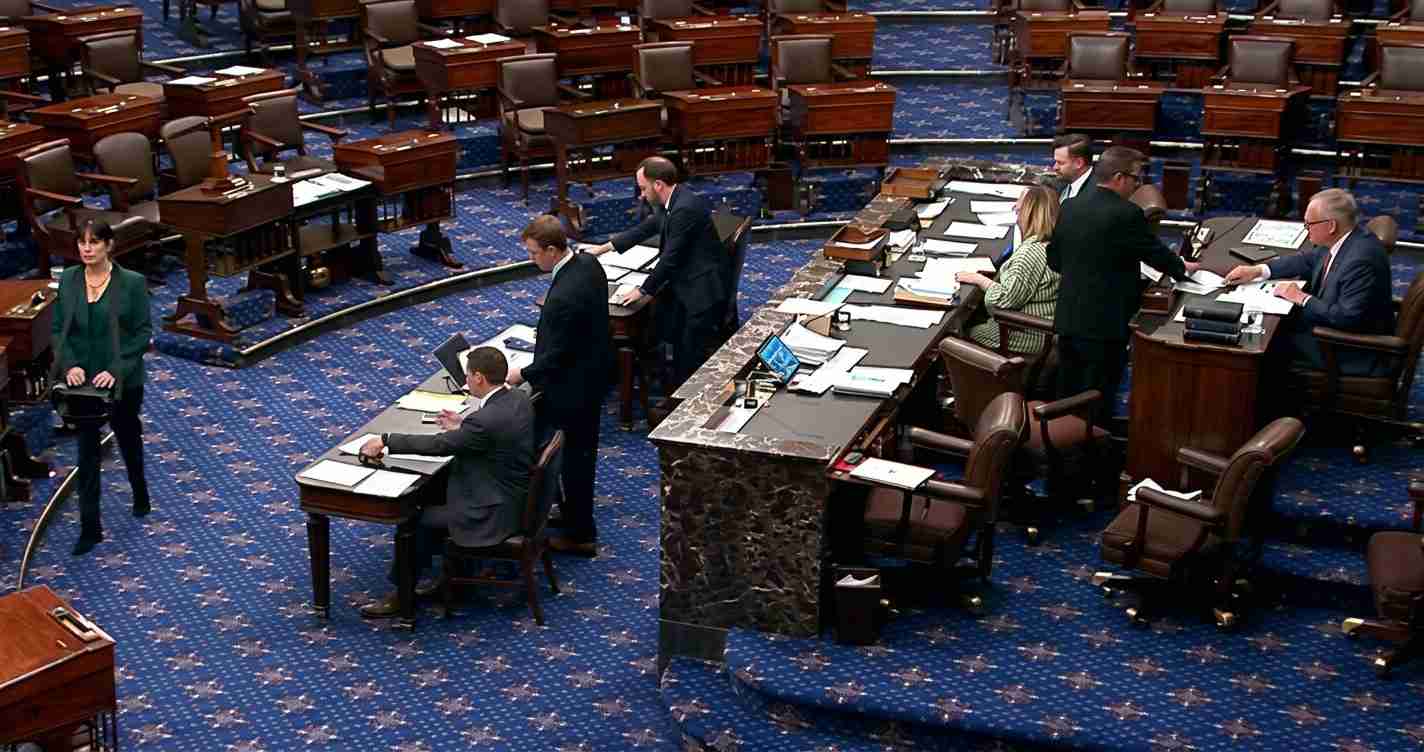
Senate votes to withhold senators’ pay during future shutdowns in move aimed at shared sacrifice
The U.S. Senate unanimously passed a resolution directing the secretary of the Senate to withhold senators’ pay during future government shutdowns, a bipartisan effort led by Sen. John Kennedy meant to promote shared sacrifice with federal workers.
- Action: Senate adopted a rule to place senators’ pay into escrow during any lapse in federal funding affecting agencies or departments.
- Vote: Advanced 99–0 on a procedural motion and adopted by unanimous consent.
- Scope & timing: Applies only to senators and is prospective — it will take effect only after the next House election due to the 27th Amendment.
What the Senate did and why
On the Senate floor lawmakers approved a resolution directing the secretary of the Senate to withhold paychecks for senators during any future government shutdowns that close parts of the federal government. Sen. John Kennedy framed the move as a measure of accountability, saying senators should share the financial disruption endured by federal employees during recent prolonged funding lapses.
“We ought to hide our heads in a bag. It’s got to stop,”
— Sen. John Kennedy
Reporting and context are drawn from CBS News and Politico, which documented recent shutdowns and their effects on federal employees.
How the rule would work
Under the resolution, senators would not permanently lose salary; instead, the secretary of the Senate would place pay into escrow during a lapse in appropriations and release it once funding is restored. That design responds to the constitutional constraint of the 27th Amendment, which prevents changes to congressional compensation from taking effect until after the next House election.
Scope: The rule covers only senators. Rank-and-file senators receive $174,000 annually; party leaders earn over $193,000. The measure alters timing, not amount, of pay.
Political and practical context
Shutdowns have grown more frequent and longer in the past year, producing visible disruptions — from strained airport screening to reduced services at parks and agencies. Supporters argue the rule increases the political cost of shutdowns by making senators personally affected; critics call it largely symbolic, noting wealthy members can absorb delayed pay with less hardship.
Reported impacts included staffing strains at TSA, interruptions at public health agencies, and broader loss of public confidence, as documented by CBS News and Politico.
Related proposals to change shutdown incentives
- Pay protection for federal workers: Sen. Ron Johnson (R‑Wis.) supported a plan, with union backing, to ensure federal employees receive pay during shutdowns, easing immediate harm and shifting pressure onto legislators (reporting: Politico, CBS News).
- Automatic short-term funding: Sen. James Lankford (R‑Okla.) proposed automatic continuing resolutions that extend funding in short increments to avoid hard shutdowns.
- Internal norms: Proposals include rules or pledges to discourage shutdowns and require transparency when continuing resolutions are used.
Legal constraint: the 27th Amendment
The 27th Amendment is central: it forbids laws changing congressional compensation from taking effect until after an intervening election. Because of this, the Senate’s withholding rule is prospective and will not apply to shutdowns occurring before the next House election.
Limitations and likely effects
- Symbolic institutionalization: The rule formalizes a pledge many members previously made voluntarily.
- Partial deterrent: Delay of pay may influence some senators, but outside income and personal wealth will blunt the impact for others.
- Senate-only: Because the House has not taken parallel action, costs remain uneven across chambers.
- Not a shutdown ban: The resolution changes incentives but does not prevent shutdowns.
Implications for the United States
Economic impact
Withheld pay would create a temporary squeeze for senators during shutdowns, though reimbursements follow when funding returns. The principal economic burden remains on federal workers and contractors who may face missed wages, late bills and credit strain. Policies guaranteeing federal pay would reduce those harms and shift pressure back to lawmakers.
Political consequences
For voters who value accountable government, the rule offers a tangible step toward responsibility and could deter brinkmanship — but its delayed effective date limits immediate deterrence. Party leaders and members have debated whether the change meaningfully alters strategic incentives.
Social effects
Public trust often falls after shutdowns. The Senate rule aims to repair some trust by demonstrating lawmakers share consequences; pairing it with protections for federal workers would strengthen that effect. If shutdowns continue before the rule takes effect, frustration and resentment among affected workers and communities may deepen.
Cultural relevance
The move taps into a cultural expectation that taxpayers receive functioning services in exchange for civic obligations. By signaling lawmakers should not be exempt from costs they impose, the rule resonates with constituents who prioritize fiscal responsibility and accountability.
Practical applications for daily life
If effective after the next election and successful at reducing shutdowns, citizens could see more reliable airport screening, fewer closures of parks and steadier public health and law enforcement operations. If the rule only changes messaging without preventing shutdowns, daily impacts will be limited for most Americans.
Sources and further reading
Preserved original facts, information and URLs from reporting and official texts.



