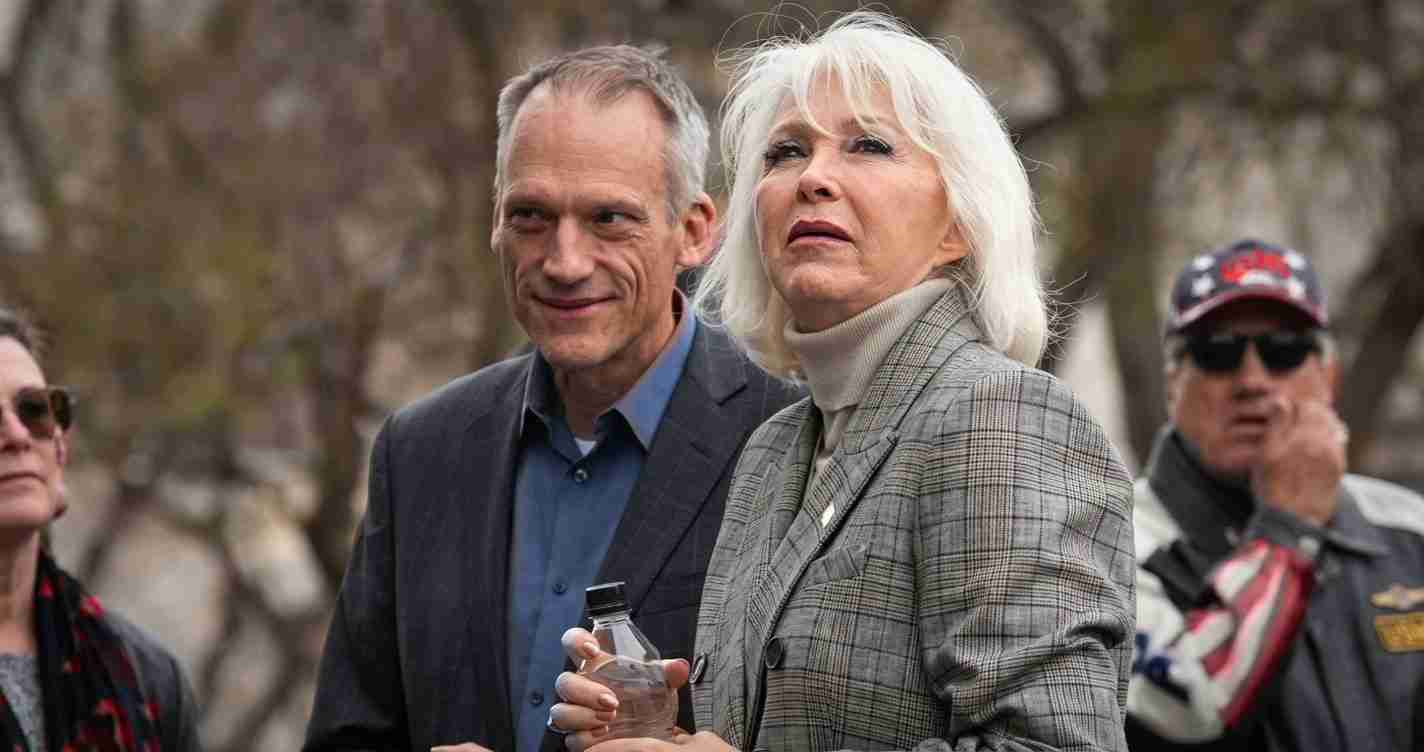
Colorado Democrats move to censure Gov. Jared Polis after Tina Peters commutation, accusing him of undercutting election integrity
Colorado Governor Jared Polis faces an official censure petition from his own Democratic Party after commuting Tina Peters’ sentence; Democrats say the move undermines election integrity and allege undue influence from former President Donald Trump.
Key takeaways
- Polis commuted Tina Peters’ sentence as part of a 44-person clemency package, shortening her term and making her parole-eligible June 1, 2026, but leaving convictions intact.
- Hundreds of Democrats signed a petition asking the Colorado Democratic Party State Central Committee to censure Polis and consider sanctions limiting his role at party events.
- Reports say former President Donald Trump pressed Polis to act; Polis’s clemency advisory board reportedly did not recommend clemency for Peters.
- Political implications include intraparty strife, questions about election integrity messaging, and potential national repercussions for federal-state cooperation.
What Polis ordered and what it means
In mid‑May 2026, Gov. Polis issued an executive order commuting the prison sentence of former Mesa County Clerk Tina Peters. The action was part of a larger clemency package that included 35 pardons and nine commutations, totaling 44 clemency actions. The commutation reduced Peters’ sentence from roughly nine years to about 4 years and 4.5 months and made her eligible for parole beginning June 1, 2026. The underlying convictions remain in place; the order shortens incarceration but does not vacate convictions.
Background: Peters’ case and convictions
Peters rose to national prominence among 2020 election skeptics after a 2021 breach of county voting equipment in Mesa County. She was convicted in 2024 on multiple counts tied to that breach, including attempting to influence a public servant and conspiracy to commit criminal impersonation, plus charges related to official misconduct and failing to comply with Secretary of State requirements.
Petitioners ask State Central Committee to act
Grassroots organizers and party officials assembled a formal petition and complaint asking the Colorado Democratic Party State Central Committee to censure Polis for “conduct detrimental to the interests of the Party.” The complaint, filed by Denver Democratic Party organizer Ian Coggins and signed by hundreds of Democrats, asks the Central Committee to adopt a formal condemnation and consider temporary organizational sanctions, including barring Polis from being an honored guest or featured speaker at party‑sponsored events.
The Central Committee received the petition and scheduled it for consideration at a Wednesday meeting. As of the latest reporting available, the committee had not publicly confirmed a completed, binding censure vote or adopted sanctions.
Reactions from Democratic leaders and candidates
Prominent Democrats reacted strongly:
- U.S. Sen. Michael Bennet called the decision “disqualifying” and suggested he would not support a future appointment of Polis to higher office should a Senate vacancy occur.
- David Seligman, civil‑rights attorney and candidate for Colorado attorney general, urged lawmakers to consider reconvening the legislature to weigh impeachment or censure options, arguing Polis’s timing short‑circuited oversight.
- Progressive candidates and activists accused Polis of yielding to pressure from Trump and demanded investigations into possible improper influence.
Supporters of clemency power defend Polis
Polis and his allies emphasized that clemency exists to temper the criminal justice system in individual cases, granting mercy or second chances when warranted. A governor’s office spokesperson said the decision was based on “the facts of the case” and what the governor believed was right, noting that clemency can be a serious responsibility even when controversial. Reporting indicates Polis’s clemency advisory board did not recommend clemency for Peters, and Polis acknowledged concerns about Peters’ promotion of “dangerously incorrect” conspiracy theories even as he acted.
Why the commutation sparked such heat
The case touches on election security and presidential influence. Critics argue that commuting the sentence of someone convicted for actions tied to undermining voting equipment sends a dangerous message about consequences for threats to election administration. The perception that former President Donald Trump exerted pressure to obtain clemency deepens the political stakes and fuels concerns that the action validates election deniers and weakens the party’s stance on protecting elections.
The timing — a commutation issued immediately after the legislative session ended — intensified accusations that Polis acted to avoid immediate legislative rebuke. Some Democrats say the clemency sets a problematic precedent by appearing to reduce accountability for those who target election infrastructure.
Sourcing and reporting
This account synthesizes reporting and public filings from Colorado and national coverage. For reporting and primary sources see: Colorado Politics, Axios, Colorado Public Radio (CPR News), The Denver Gazette, The New York Times, the Office of the Governor of Colorado, and Fox News Digital (Polis spokesperson remarks reported).
Coverage of Trump’s reported outreach and reaction appeared in national outlets; Polis’s clemency documents were posted by the governor’s office as part of the clemency package.
Implications for the United States
Economic impact: Direct fiscal effects are limited, though political fallout could affect federal‑state cooperation on funding and perceptions that influence negotiations over disaster or infrastructure aid.
Political consequences: The episode deepens fractures within the Democratic Party, may fuel Republican attacks, and underscores former President Trump’s influence on state governance.
Social effects: The commutation may deter election officials or heighten fears about accountability and unequal treatment under the law.
Cultural relevance: The case is a flashpoint in debates over trust in institutions and where parties draw lines between criminal wrongdoing and political advocacy.
Practical applications for everyday residents
- Watch whether the Colorado Democratic State Central Committee adopts a formal censure or sanctions.
- Follow any legislative or investigatory follow‑ups that could shape party norms and election administration practices.
- Residents reliant on federal aid should monitor state‑federal relationships for potential impacts on projects and funding.
Reporting caveats
At publication, the petition had been filed and scheduled for Central Committee consideration, but there was no confirmed public report that the committee had completed a formal censure vote or enacted binding sanctions. Readers should follow the outlets listed above and official party communications for updates.
“The clemency power is a serious responsibility,” Polis said through his office, framing the decision as fact‑based and principled even amid controversy.