UNITED STATES, June 13 (Infinite Headlines) — The clearest documented travel finding from the opening stretch of the 2026 FIFA World Cup is not only the size of the crowd expected in the United States. It is where some visitors are placing their attention once they arrive: grocery aisles, diners, gas stations, school buses, chain restaurants and small-town encounters.
A Tourism Economics report under Oxford Economics projected 1.24 million international visitors to the United States for the tournament. The same report said 742,000 of those visitors, or 60%, would be “additional” trips that otherwise would not have occurred. It also said U.S. inbound tourism was expected to grow 3.7% in 2026 after a 6.3% decline in international overnight travel in 2025, with nearly one-third of that growth linked to the World Cup.
That data gives the travel industry its hard number. The social posts and interviews from named travelers give a more detailed look at what some of those trips look like on the ground. The record reviewed for this story does not prove that all or most international fans are choosing small-town stops or comfort food over major landmarks. It does show that everyday American travel culture has become a visible part of the World Cup trip for some visitors.
Tourism Economics, in material quoted by Fox News, said the tournament could “spark a powerful rebound in international travel — revitalizing demand, filling hotels and showcasing the broad economic reach of mega-events.” The report’s visitor estimates are the strongest numerical basis in the record reviewed for this story.
The tournament’s U.S. footprint helps explain why the travel story is broader than one host city. NBC News reported that the United States would host 78 of the tournament’s 104 matches across 11 U.S. cities. Fox News listed U.S. host locations as Atlanta, Boston, Dallas, Houston, Kansas, Los Angeles, Miami, New York/New Jersey, Philadelphia, Seattle and the San Francisco Bay area. The records supplied for this story did not include a FIFA fixture document, so those tournament-format details are attributed to the outlets that reported them.
Secondary reports also describe the 2026 event as expanded from 32 to 48 teams and as the largest World Cup ever organized. Those format claims are widely reported, but the supplied record did not include an official FIFA source for them.
For a travel desk, the practical finding is that the World Cup visitor economy is not limited to match tickets, stadium districts and downtown hotels. The evidence points to a second layer of tourism: visitors using the tournament as a reason to sample ordinary U.S. stops that many residents may not think of as attractions.
One example is Elsa Thora, a Swedish traveler who arrived in San Francisco. NBC News reported that Thora posted on X about seeing a U.S. school bus, trying ranch dressing and visiting Trader Joe’s. In one X post quoted by NBC News, she wrote, “I feel like I’m in a movie.” In a video interview with NBC News, she said, “I think many in Sweden view the U.S. as the land of the free and a really impressive country,” and added, “Being here feels surreal.”
The details matter because they show the type of destination experience being documented: not only the match, but the first view of a school bus, a familiar grocery chain to U.S. residents and a condiment often treated as ordinary in American dining.
Food is one of the clearest themes in the firsthand material. A traveler from Edinburgh identified as Cumming told Newsweek, “The food here is extremely good. Generally, I believe the seasoning is much better than what you find in the U.K.” Cumming also described social differences, saying, “People here are very upbeat, enthusiastic, and quite open,” and, “People seem more approachable here in the States. In the U.K., we can be a bit reserved at times.”
Cumming’s comments also point to another recurring visitor reaction: the scale of U.S. travel. “Everything is larger in every aspect—the cars, the buildings,” Cumming told Newsweek.
A German fan posting as Freddy or @FreddyLA7 has been cited in reports for posts about Buc-ee’s and Waffle House. Those two brands are not official tourism offices, but they are part of the travel record because they were named by the traveler as memorable stops. Yahoo Sports quoted one of FreddyLA7’s posts as saying, “Our Waffle experience at 1: AM. Great food, great prices, and friendly staff.”
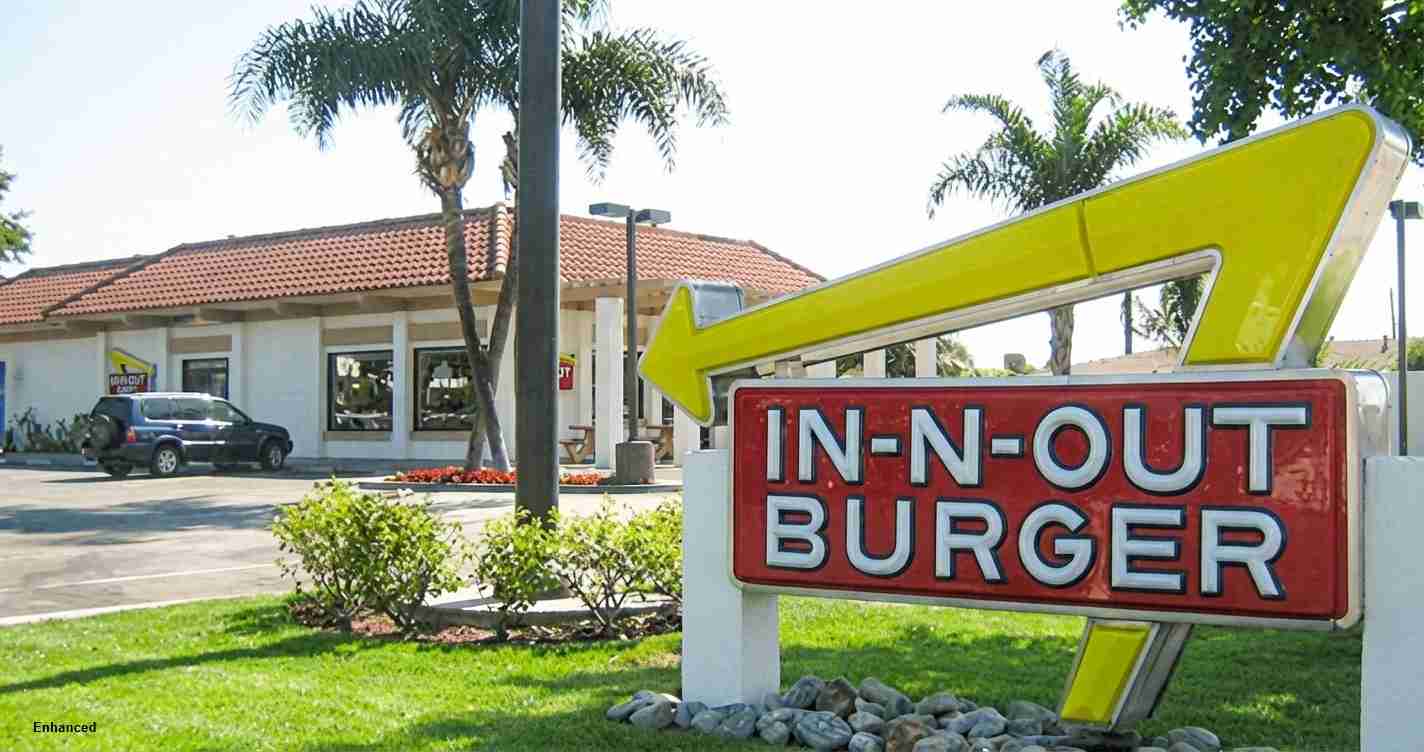
Other brands and places named in traveler posts and coverage include Taco Bell, IHOP, Starbucks Reserve Roastery, Walmart, 7/11 and Trader Joe’s. The companies were not quoted as sources in the record reviewed for this story. Their role in the evidence is narrower: they are places that travelers themselves identified or that appeared in documented visitor reaction posts.
The small-town and roadside part of the story is less firmly documented than the visitor-volume data. Fox News quoted X user @realmikolson saying, “They’re being dropped right in the middle of the heart of middle America.” The same user also said, “A wise man once said, ‘If you want to hate America, watch the news. If you want to love America, drive across it.’”
Fox News attributed several hospitality anecdotes to @realmikolson, including stories of restaurant owners driving fans to games and a deli owner giving British tourists free lunch. Those incidents were not independently verified in the records supplied for this story, so they are best treated as anecdotes, not established facts.
The distinction is important. The Tourism Economics/Oxford Economics report supports the claim that the World Cup is expected to bring a large number of international visitors to the United States and add trips that would not otherwise have happened. The named travelers’ posts and interviews support the claim that some international fans are responding strongly to everyday U.S. culture, comfort food and roadside stops. The record does not yet support a measured claim about how many visitors are making small-town side trips, how long they are staying outside host cities, or how much they are spending in those places.
The records reviewed also do not include hotel occupancy data, airport passenger counts, airline booking data, rental-car records, ride-hailing fare data or local tourism-board reports. That means the current evidence shows a visible travel pattern, but not its full scale.
Still, the pattern fits the geography of the event. With matches spread across U.S. markets and visitors moving through arrival cities, highways, suburbs and college-town or roadside areas, the travel experience can extend well beyond stadium gates. The available evidence shows that for some international fans, the American part of the World Cup trip is being recorded in places such as Waffle House, Buc-ee’s, Trader Joe’s and the view from the road.