HESPERIA, CALIF., June 7 (Our Hesperia) — A translation-performance metric tracked by Translated suggests AI-generated translations are approaching human editing times, but the available source material does not support a precise claim that the technological singularity is four years away.
The Rome-based translation company measured its systems from 2014 through 2022 using “Time to Edit,” or TTE, a measure of how long professional editors need to fix machine-translated text compared with translations made by people, according to company data described in a Popular Mechanics report.
Translated’s dataset covered more than 2 billion post-edits, according to the report. The company’s benchmark says it takes a human translator about one second per word to edit another person’s translation.
Machine translation has not reached that mark in the reported data. Editors needed about 3.5 seconds per word to check machine-translated suggestions in 2015, compared with about 2 seconds per word in the more recent measurement described in the report.
The trendline was cited as evidence that machine translation could reach human-produced translation quality by the end of the decade or sooner if the rate of improvement continues. That is a projection, not a verified result.
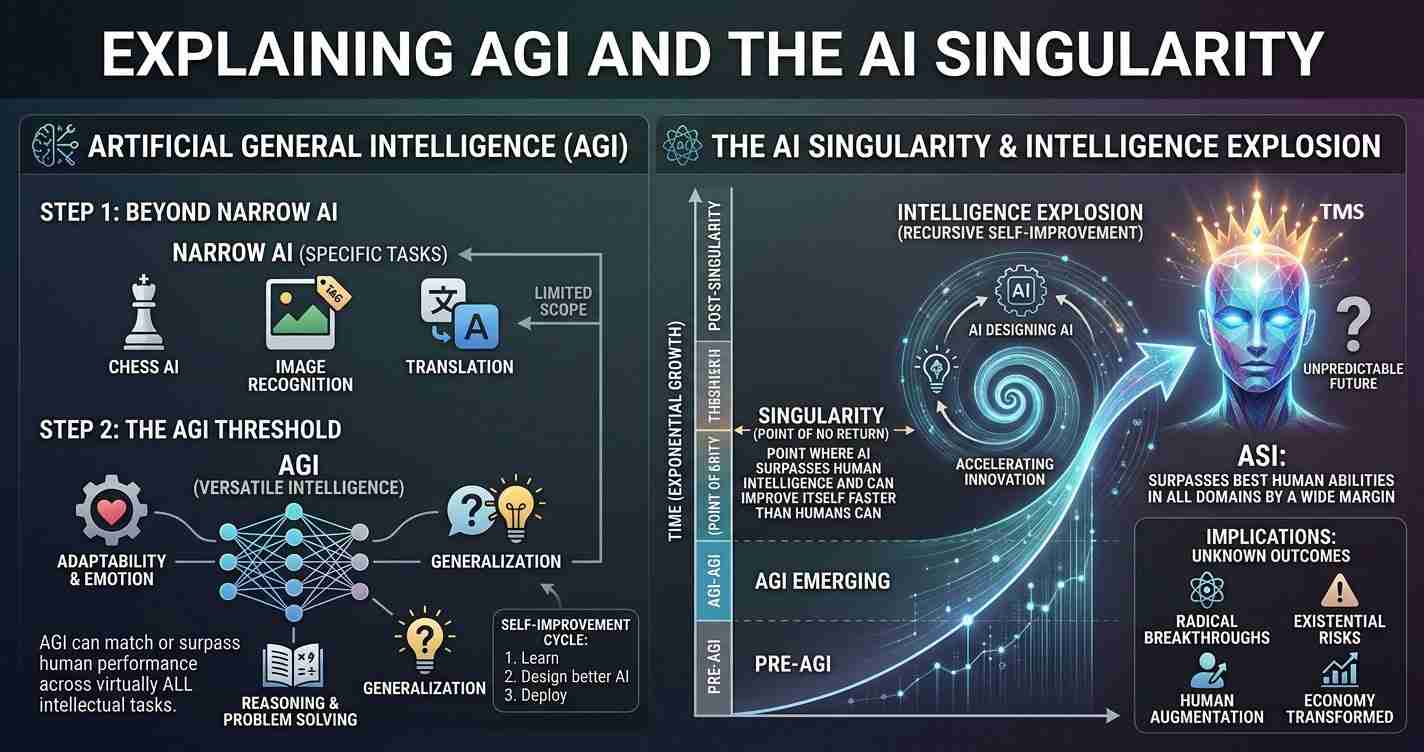
The finding is narrower than the broader idea of a technological singularity, a term often used for a future point when artificial intelligence exceeds human intelligence or drives rapid, hard-to-control technological change. The supplied material does not show a shared standard for when that threshold would be met.
A separate post by ISPCR, published Jan. 11, states that “we have crossed the threshold of the Singularity” and estimates the onset between October 2025 and January 2026. The post is the organization’s own assertion, and the supplied materials do not show independent evidence or a broad scientific consensus supporting it.
The translation data also does not establish that a commercial product has achieved human-level translation quality across languages or tasks. The available information does not include Translated’s technical documentation, sampling methods, model versions, release dates or independent replication.
For technology users and businesses, the concrete change described by the data is limited to editing time for AI translation suggestions. Based on the reported numbers, professional editors still spent about twice as long checking machine output as they did editing another human translator’s work.