WASHINGTON, July 12 (DC Times Online) — In Washington, the White House has turned to Harvard astronomer and cosmologist Avi Loeb to help lead a new advisory council on unidentified anomalous phenomena, or UAP — the government term for sightings and objects that have not yet been identified.
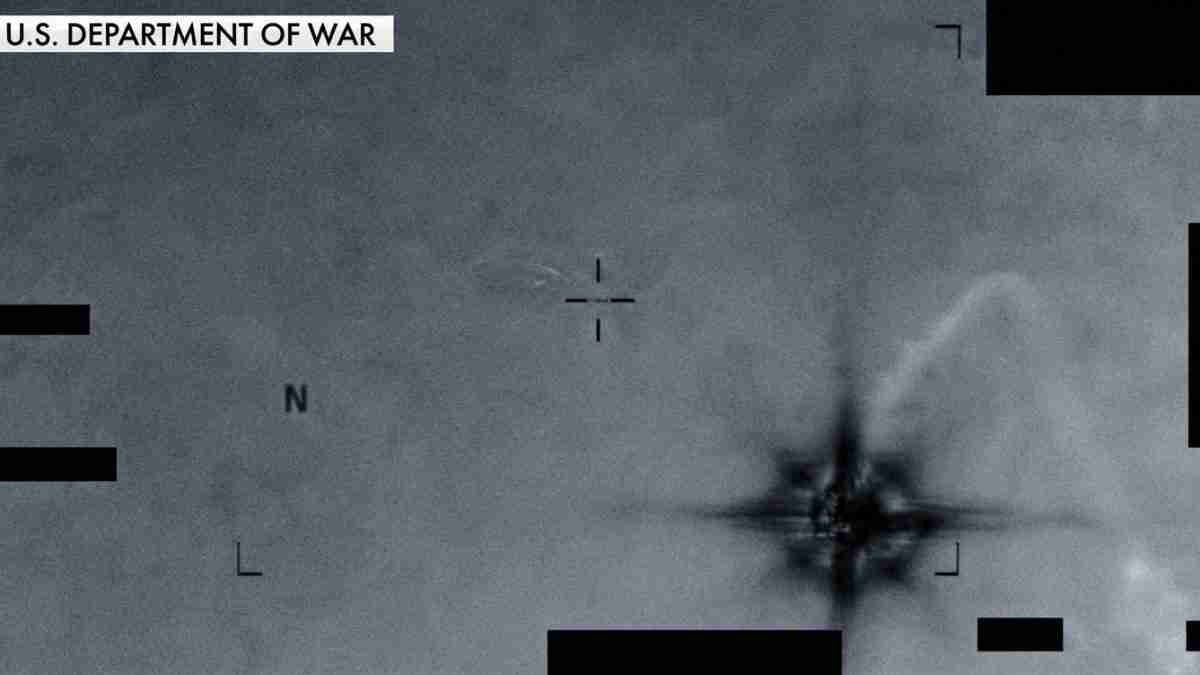
The panel is trying to answer a basic question: what do the public records, military videos and other files collected by the federal government actually show, and how far can officials go in explaining them?
What is the council supposed to do?
According to Associated Press reporting on the White House appointment, the new council is meant to examine UAP and the national security risks they may pose. AP reported that the group met for the first time in June, and that Loeb and the panel asked the Pentagon for more than 50 videos, images and other documents tied to known UAP incidents.
That request is important because it shows the council is starting with evidence, not assumptions. But Loeb said those materials have not yet been turned over because custodial agencies cited national security concerns, especially the risk of exposing sensitive sensors, he told Fox News Digital.
Why is Avi Loeb involved?
Loeb is a Harvard astronomer and cosmologist who previously led Harvard’s astronomy department. In AP reporting, he described the effort as “a detective story” and said it is “a lot of fun, as long as you don’t pay too much attention to the critics.” In an interview with Fox News Digital, he said federal officials appear “baffled” by what they are seeing and may think some of the objects are not human-made.
That is Loeb’s interpretation. It is not proof that the objects are alien, or even that they are extraordinary. The Pentagon’s UAP office has said it has seen no evidence of alien life.
What has the government released so far?
The White House and Trump administration have been declassifying and publicly releasing UFO-related files. AP said three public disclosures had already been made before its report, while Fox News said a fourth batch of UAP materials was released on Friday.
Loeb said one item from the first batch — Apollo 12 lunar photos from 1969 — was later officially concluded to show blue flashes that were most likely cosmic rays. That is a useful example of how an unusual-looking record can turn out to have an ordinary scientific explanation after review.
What does this establish, and what does it not?
For now, the public record establishes a review process, not a scientific conclusion. The White House has appointed a scientist to help lead the effort. The panel has asked for more evidence. Some of that evidence has been withheld on security grounds. And the Pentagon’s UAP office says it has not found evidence of alien life.
What the current reporting does not show is just as important. The public snippets do not spell out the council’s full membership, its legal authority, or exactly which incidents are under review. They also do not identify the full list of videos, images and documents requested from the Pentagon.
So the central takeaway is narrow but important: federal officials have gathered enough unexplained material to warrant further review, but the government has not said that the material proves alien life or any other extraordinary claim.