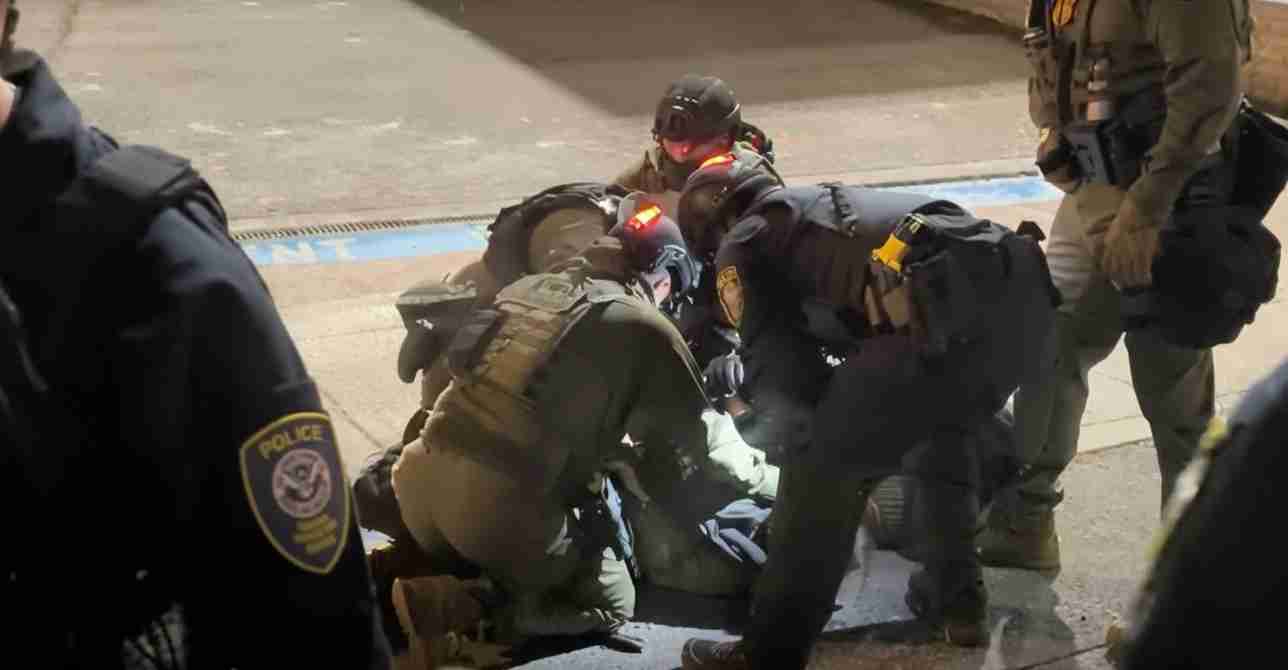
Federal judge blocks Trump National Guard Portland deployment, citing constitutional limits on federal military intervention
A federal judge in Portland has temporarily blocked President Trump’s deployment of the Oregon National Guard to Portland, finding the administration failed to meet statutory and constitutional thresholds for federalizing state troops amid protests and legal challenges.
- Temporary restraining order: Judge Karin J. Immergut halted federal activation of Oregon National Guard troops for Portland. (Sources: VPM/NPR, ClickOrlando, Los Angeles Times)
- Statutory threshold: The judge found protests did not meet the “rebellion” or statutory standard under 10 U.S.C. § 12406. (Sources: VPM/NPR, Los Angeles Times)
- Appeal filed: Oregon officials sued; the federal government has appealed to the 9th Circuit and plans further review. (Sources: ClickOrlando, VPM/NPR)
Main coverage
What the judge found
Judge Karin J. Immergut concluded the protests in Portland were “largely sedate” with only isolated incidents of violence. She found the recorded incidents did not amount to an organized, widescale attempt to overthrow government authority, and warned against using military force where local and state authorities remain capable of responding. (Sources: VPM/NPR, ClickOrlando, Los Angeles Times)
“This country has a longstanding…” — the ruling in plain terms
“This country has a longstanding and foundational tradition of resistance to government overreach, especially in the form of military intrusion into civil affairs… this is a nation of Constitutional law, not martial law.”
Judge Immergut emphasized that federalization would harm Oregon’s state sovereignty and that the federal government failed to demonstrate the legal conditions necessary for military intervention. (Sources: ClickOrlando, Los Angeles Times)
The statute at issue: 10 U.S.C. § 12406
The order centered on 10 U.S.C. § 12406, which permits the President to call state National Guard members into federal service only when insurrection, domestic violence, unlawful combination, or conspiracy in a State makes it impossible to enforce federal laws by ordinary judicial proceedings, and where State authorities are unable, fail, or refuse to protect federal rights.
Judge Immergut found those criteria were not met in Portland and that federalization is lawful only in cases of clear insurrection, widespread domestic violence, or demonstrable inability or unwillingness by state authorities to enforce federal law. (Sources: VPM/NPR, Los Angeles Times)
Legal fight and the government’s response
Oregon’s governor and Portland city leaders sued to block the deployment, arguing the federal characterization of Portland as “war-ravaged” overstated the danger and ignored state and local capacities. Plaintiffs noted most protests involved fewer than 30 people and that police, mutual aid agreements, and state resources were managing public safety. (Sources: ClickOrlando, VPM/NPR)
The federal government filed a notice of appeal with the 9th U.S. Circuit Court of Appeals and signaled it will seek further review; the Justice Department argues the President has authority to federalize Guard units to enforce federal law when necessary. (Sources: ClickOrlando, VPM/NPR)
History and context of federalizing Guard units
Federal activation of state National Guard units has historically been rare and legally contested when used in domestic unrest. Past uses — such as during civil rights-era disturbances and natural disasters — usually involved explicit state requests or clear evidence state authorities could not restore order. The current dispute underscores tensions between federal authority and state sovereignty. (Sources: VPM/NPR, Los Angeles Times)
Why the ruling matters nationwide
- Limits on federal power: The decision could set legal boundaries on when the federal government may send troops to U.S. cities over state objections. (Sources: Los Angeles Times, VPM/NPR)
- Legal precedent: A 9th Circuit ruling for Oregon could narrow permissible uses of 10 U.S.C. § 12406, clarifying thresholds for “insurrection” or inability to enforce federal law. (Sources: VPM/NPR, ClickOrlando)
- Civil liberties & policing: Courts may scrutinize future federal deployments to cities where protests are visible but not broadly violent, and states may invest more in local response capacity. (Sources: ClickOrlando, VPM/NPR)
Trump National Guard Portland: past deployments and patterns
This administration previously ordered Guard or federal troop deployments to other cities with mixed state approval, prompting legal and political pushback and debates about domestic military intervention. The Portland order was the latest example of federal intervention state leaders said was unnecessary and harmful to local authority. (Source: VPM/NPR)
Implications for the United States
- Political consequences: The ruling may curb future federal military interventions and give governors stronger grounds to challenge federal overreach. (Sources: Los Angeles Times, VPM/NPR)
- Legal precedent: A 9th Circuit decision could narrow uses of 10 U.S.C. § 12406 and shape future litigation. (Sources: VPM/NPR, ClickOrlando)
- Public safety and policing: States and cities may strengthen local response capacity to reduce risk of federal intervention. (Sources: VPM/NPR, Los Angeles Times)
- Civil liberties: The ruling highlights judicial concern about using military force in civilian contexts and may lead to closer court scrutiny of similar actions. (Sources: ClickOrlando, VPM/NPR)
Legal next steps and what to watch
The Justice Department has appealed to the 9th Circuit; observers should watch for rapid briefing and any appellate order to maintain or lift the restraining order. A 9th Circuit ruling could be decisive and may be appealed to the Supreme Court if parties seek final review. The case will test how courts balance federal authority, state sovereignty and civil liberties when protests flare in American cities. (Sources: ClickOrlando, VPM/NPR)
Reporting and sources
Reporting for this story used court filings and reporting by Times Media Service partners. Key sources: VPM/NPR, ClickOrlando, Los Angeles Times.