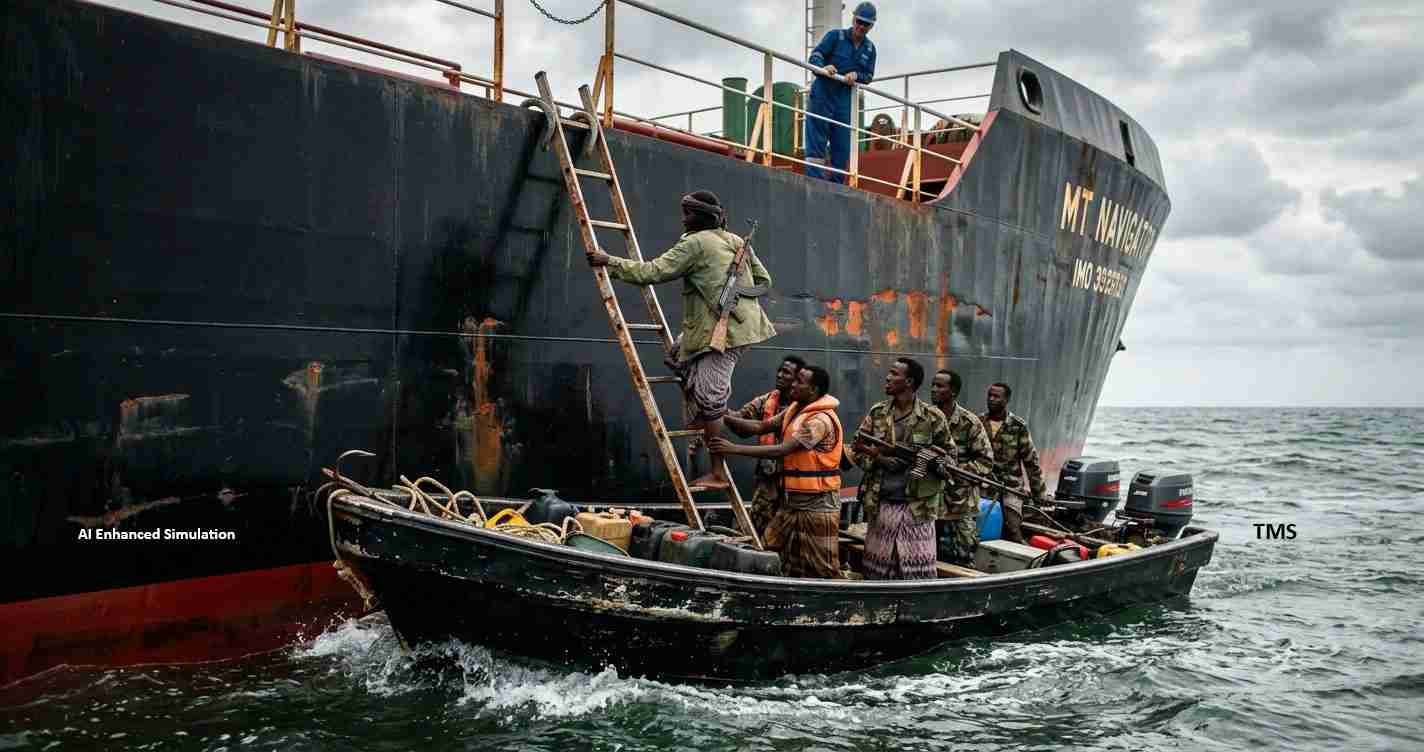
Surge in Somali piracy fuels fears of Red Sea security vacuum as analysts warn of Houthi-linked tactics and wider trade risks
A surge in Somali piracy off Somalia and Yemen since April 2026 has raised alarms over a Red Sea security vacuum, with analysts warning of opportunistic ties to Iran-backed Houthis and growing risks to global oil and shipping routes.
- Resurgence: Multiple hijackings and attempted seizures began April 21, 2026, signaling a renewed piracy threat.
- Opportunistic alignment: Analysts warn of transactional coordination between Somali pirates and Houthi-linked actors leveraging diverted naval resources.
- Trade impact: Disruptions to Red Sea routes raise shipping, insurance and energy costs globally.
- Response needed: Experts call for improved surveillance, intelligence sharing and coalition coordination to deter attacks.
Key information
Multiple hijackings and attempted seizures began April 21, 2026, including a Somali fishing boat, the Palau-flagged tanker Honour 25 (IMO 1099735), a dhow, and the cargo ship Sward. Reporting and alerts are available from Fox News, ModernGhana, and El País.
On May 2, armed men reportedly hijacked the oil tanker MT Eureka off Yemen’s Shabwa coast and steered it toward the Gulf of Aden; recovery efforts were reported underway (see coverage by Fox News).
Risk levels in waters off Somalia were raised to “substantial” after the wave of attacks, per maritime intelligence and UKMTO alerts referenced in reporting (Fox News).
Analysts say Somali pirate groups are using skiffs and new technology while benefiting from attention focused on Houthi shipping attacks in the Red Sea and Persian Gulf (El País).
A resurging playbook and new alignment
Former naval officers and security analysts report a revival of the tactics that once made the waters off Somalia especially dangerous — but now with updated tools and a shifting regional backdrop.
“There is an opportunistic alignment,” said Ido Shalev, chief operating officer at RTCOM Defense and a former Israeli naval officer, adding that the Houthis can provide geopolitical cover, GPS and surveillance know‑how while Somali groups supply skiffs and crews.
Shalev described the relationship as “transactional”, stressing that the mix of tech and local capacity makes attacks more coordinated than in the past decade (reporting by Fox News).
Note: Analysts emphasize this is not yet proven as a formal alliance; reporting characterizes the link as opportunistic and transactional rather than a clear chain of command (El País).
Why the timing — and the targets — have changed
Experts point to several converging drivers:
- Diversion of naval assets: International warships have been redeployed to respond to missile and drone attacks in the Red Sea and Persian Gulf, creating patrol gaps off Puntland and other Somali coasts, according to regional analysts (ModernGhana).
- Changing oil flows: Instability around the Strait of Hormuz has prompted rerouting of crude via pipelines and Red Sea ports such as Yanbu, placing higher-value oil cargoes on routes that were less trafficked previously (Fox News, El País).
- Higher payoff: With Brent near $115 per barrel this quarter, a single capture could net criminals tens of millions in cargo value and ransom, analysts warn (Fox News).
Recent incidents: what happened and where
- April 21: A Somali-flagged fishing boat was taken by armed men off the Somali coast (Fox News).
- April 21: Honour 25, a Palau-flagged oil tanker (IMO 1099735), was seized (Fox News).
- April 25: A dhow was reported hijacked amid the wave of attacks (ModernGhana).
- April 26: The cargo ship Sward was seized and redirected to Garacad (Fox News).
- May 2: The MT Eureka was reported taken off Shabwa and steered towards the Gulf of Aden; recovery efforts were said to be underway (reported by multiple outlets; see Fox News).
Warnings from maritime monitors
Commercial maritime intelligence firms and naval reporting centers have warned shippers to exercise greater caution. Windward AI raised risk levels for Somali waters to “substantial”, and the U.K. Maritime Trade Operations (UKMTO) and regional coordination centers have issued alerts urging increased vigilance (Fox News, El País).
The broader cost: Global Trade Disruption and energy security
The Red Sea corridor carries an estimated 12% to 15% of global trade and up to 30% of container traffic in normal times. Disruptions can force voyages around the Cape of Good Hope, adding days or weeks to transit times and millions in extra fuel and logistics costs (El País).
Strategic cargoes like oil and LNG are especially vulnerable to hijack and ransom schemes; combined with higher Brent prices, the incentives for criminal capture are elevated (Fox News).
What experts recommend
Ido Shalev argues the focus should be on early detection rather than purely patrol responses: “You cannot ‘patrol’ your way out; see the threat before it reaches the ship.” He calls for improved surveillance and intelligence sharing among navies and commercial operators (Fox News).
Other experts urge stepped-up coordination among flag states, shipping companies, and naval coalitions to restore deterrence. Organizations such as the European-led MSCHOA are already urging vessels to heighten security measures (El País).
Implications for United States of America
Economic and energy impact
- Higher fuel and shipping costs: Global trade disruption will likely push shipping costs and insurance rates higher, creating delays and price pressure for U.S. businesses (El País).
- Energy security: While most U.S. crude is domestically produced, global price spikes from disrupted flows can raise gasoline and heating costs for American consumers (Fox News).
National security and navy posture
- Strain on naval resources: Surveillance and interdiction in the Red Sea and Gulf of Aden may require additional U.S. naval assets and partner cooperation (ModernGhana).
- Intelligence sharing: U.S. agencies may need to expand cooperation with commercial maritime firms and allies to detect transnational maritime crime before it reaches ships (Fox News).
Impact on American shippers and ports
U.S. importers and exporters using Red Sea routes may face higher costs or longer transit times; East and Gulf coast ports could see shifts in arrival schedules and congestion as global shipping adjusts. Shipping companies may also face elevated insurance premiums and stricter security compliance (El País, Fox News).
Ongoing monitoring and reporting
Maritime agencies and intelligence providers continue to monitor the situation. Ship operators are urged to follow UKMTO and MSCHOA guidance and report suspicious activity immediately. Regional and global responses will determine whether this surge is a temporary spike or a sustained campaign widening the Red Sea security vacuum (ModernGhana, El País).
Sources and further reading
- Fox News: Somali pirate-Houthi alliance coverage
- El País: Somali pirates resurface in the shadow of Red Sea and Persian Gulf crises
- ModernGhana: Hijackings off Somalia raise fears
- StreamlineFeed: Coverage of Somali piracy resurgence
- YouTube: Regional maritime advisories and industry alerts
Reporting by Times Media Service; additional material compiled from the cited sources above.