Injured US Airman Survives 36 Hours in Zagros Crevice, Rescued in CIA‑Backed Special Operation
A US Air Force weapons systems officer was rescued April 5, 2026, after surviving roughly 36 hours injured in a Zagros Mountains crevice in southwestern Iran following an April 3 shootdown; a CIA‑backed special operation recovered him.
- Evaded capture for ~36 hours: the wounded WSO sheltered in a Zagros crevice until a daylight extraction on April 5.
- CIA deception aided the rescue: intelligence tracking plus a deception campaign helped pinpoint and protect the airman during extraction.
- Layered military cover: drones, attack helicopters and special operations forces executed a complex lift under air cover.
- Identity and many tactical details unconfirmed: officials have not released the airman’s name or full operational particulars.
Main account and timeline
The crash and the first rescue
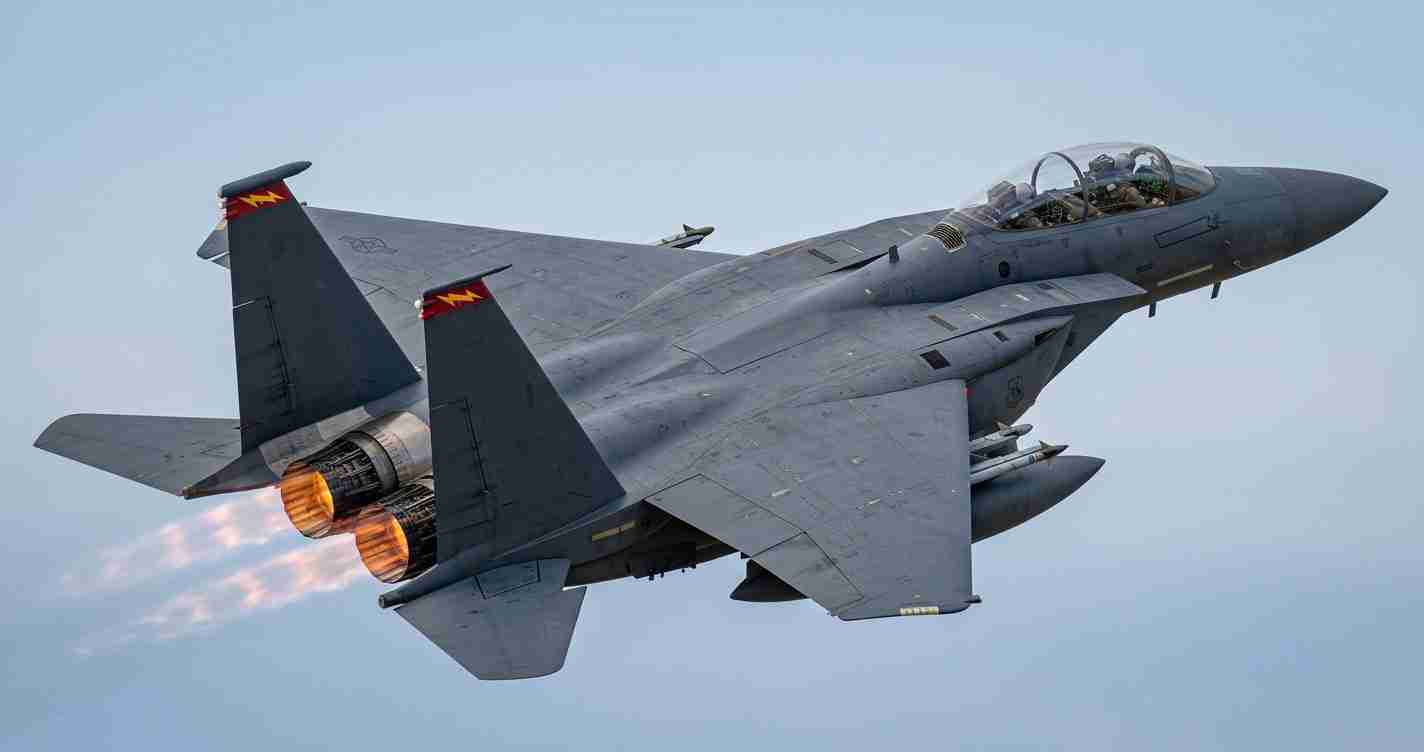
On Friday, April 3, an F‑15E Strike Eagle carrying a pilot and a weapons systems officer was struck over southwestern Iran. Iranian outlets initially reported the shootdown and posted images of wreckage that US officials said were consistent with an F‑15E (Axios).
The pilot ejected and was recovered by US forces within hours; the weapons systems officer did not emerge with the pilot and was listed as missing and wounded as searches commenced (ABC News; CBS News).
Evasion, injury and the crevice
US officials say the wounded weapons systems officer climbed into a rugged crevice in the Zagros Mountains in Kohgiluyeh and Boyer-Ahmad province and survived for about 36 hours while carrying only a handgun. Despite serious injuries, he managed to avoid capture as local groups searched the area (ABC News; CBS News).
“God is good.”
US officials quoted the short radio transmission from the airman while he was hidden; that phrase helped confirm he was alive but also prompted caution from commanders concerned about potential traps (ABC News).
A posted bounty and local hunters
Accounts tied to the Iranian Revolutionary Guard Corps circulated photos of wreckage and reports suggest local offers of reward — one report cited roughly $60,000 — spurred armed searches by local groups hunting for the missing airman. US officials said there were armed people in the area searching for him (CBS News; Time).
CIA deception operation and tracking
US officials described a central role for the CIA in locating and protecting the airman. Intelligence officers tracked the downed airman’s equipment to narrow his location while simultaneously feeding false information inside Iran — suggesting the airman had already been recovered — to divert attention from the actual extraction plan. Reporters described the effort as a coordinated CIA deception operation (ABC News; CBS News; Time).
Details of the extraction
US officials described a broad daylight rescue on Sunday, April 5, that used a layered approach. Dozens of aircraft, including MQ‑9 Reaper drones, provided surveillance and a protective perimeter. Attack helicopters and strike aircraft held threats at bay while special operations forces performed the actual extraction. Reporting describes a complex lift involving helicopters and other aircraft; officials credited the combination of tracking, deception, and air cover for the success (CBS live updates; Time; ABC News).
Facts not clear or not confirmed
Multiple outlets show a consistent core narrative, but several operational details circulating early remain unconfirmed in open-source reporting:
- Precise identity of units involved (claims naming SEAL Team 6, Delta Force or specific operator numbers lack clear official confirmation).
- Exact counts of aircraft and troops beyond general descriptions such as “dozens” or “hundreds.”
- Specific tactical claims — reported skirmishes with local tribesmen, stranded aircraft near Isfahan, and destruction of vehicles — are not directly corroborated in primary reporting (Time; CBS News).
Presidential comments and public statements
President Trump announced the rescue on social and other media, calling the operation risky and successful and describing the airman as wounded but “safe and sound.” He told Axios that many armed Iranians searched for the missing airman. Defense Secretary Pete Hegseth posted “God is good” on X after the rescue, echoing the radio phrase reported from the airman. Officials have not publicly released the airman’s name or provided a full medical update (CBS; ABC News).
Why this matters: implications for the United States
Military readiness and doctrine: The rescue highlights US capabilities to locate and retrieve personnel in hostile territory and will likely prompt reviews of tactics, equipment, and intel–SOF coordination (ABC News; Time).
Intelligence and covert tools: The CIA’s central role underscores how covert intelligence and deception can shape battlefield outcomes and protect lives — a capability likely to prompt debate in Washington about oversight and transparency (ABC News; CBS News).
Domestic politics and public opinion: High‑profile rescues tend to bolster support for decisive leadership and military readiness, while also raising questions about escalation and the risk of wider conflict that lawmakers and voters will debate (CBS live updates).
Regional security and deterrence: The incident increases tensions in the Persian Gulf and could affect allied force posture, energy markets and naval operations in the Strait of Hormuz; Iran’s claim of downing an F‑15E and the subsequent US action will shape the near‑term security environment (Axios; Time).
Rules of engagement and signaling: The rescue demonstrates US willingness to mount risky recoveries, sending a deterrent message that harming US forces carries operational costs — while raising central policy questions about balancing deterrence and escalation risks (ABC News).
Source notes and further reading
- ABC News: “Rescue of missing U.S. airman from downed F‑15E in Iran unfolded amid deception, tracking.”
- CBS News: “Missing U.S. crew member from downed fighter jet rescued in Iran, sources say.”
- CBS News live updates: Iran war coverage and related statements.
- Time: “Safe and Sound: How a U.S. airman shot down in Iran was rescued from a mountain crevice.”
- Axios: Early reporting on the shootdown and Iran’s claims.
- Video reporting reviewed: Video 1 and Video 2.
This account is based on statements from US officials and reporting by national outlets. Several operational details circulating in early accounts remain unconfirmed in open‑source reporting. Public officials have not released the rescued airman’s name or detailed medical information.