
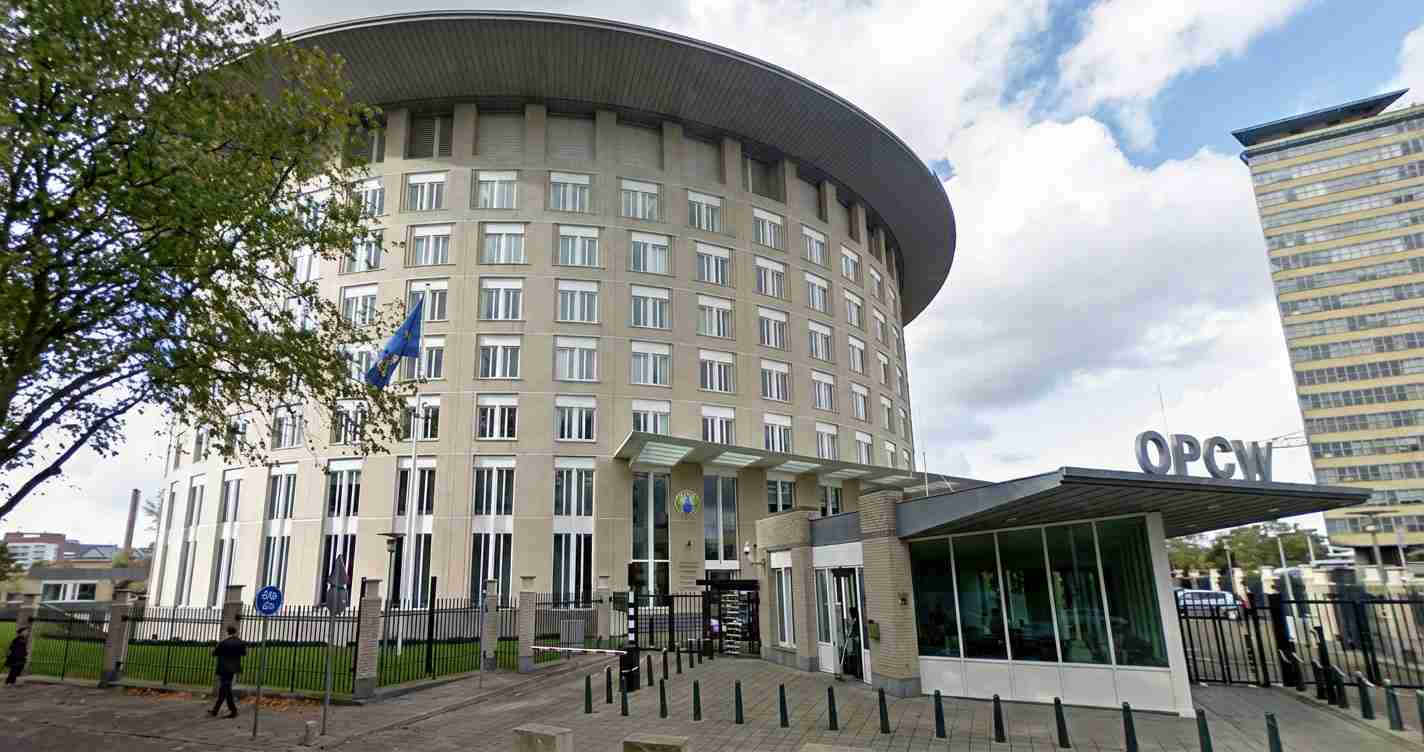
FDD report accuses Iran of using covert chemical weapons on protesters, urges OPCW probe and possible strikes
The Foundation for Defense of Democracies released a February 2026 report alleging Iran used potent, fentanyl-like chemical agents against December–January protesters, claiming rapid collapses, tens of thousands of casualties, and urging the OPCW and allies to investigate and consider targeted measures.
Key takeaways
- Allegations: The FDD report claims Iranian security forces used pharmaceutical-based, fentanyl-like agents causing rapid collapses and mass casualties (reported 36,000–43,000).
- Historic program: FDD traces Iran’s chemical weapons work to the 1980s and cites U.S. intelligence concerns about CWC noncompliance.
- Calls to action: Andrea Stricker and FDD urge the U.S., allies and the OPCW to investigate, verify, apply pressure, and consider targeted strikes on research/production facilities if warranted.
- Verification gap: Independent, on-the-ground confirmation by international agencies has not been publicly reported; conservative media have widely covered FDD’s findings.
What the FDD report alleges
The FDD analysis lays out a chain of evidence that it says points to Tehran’s covert chemical weapons program and the possible use of pharmaceutical-based agents against protesters in December 2025–January 2026. Eyewitness accounts describe sudden collapses and neurologic symptoms that the report asserts are consistent with potent, fentanyl-like substances — effects the authors argue go beyond conventional crowd-control agents like tear gas.
Casualty figures: FDD cites a death toll between 36,000 and 43,000, linking the figures to intensified repression and calling the unrest the worst in Iran since 1979. FDD’s Iran Program monitoring underpins its contextual reporting.
Historical context and previous intelligence
FDD traces Iran’s chemical activity to the early 1980s, a period when Iran was itself a victim of chemical attacks. The report documents program continuity and alleges transfers of chemical material to regional proxies. It notes that U.S. intelligence flagged CWC noncompliance as recently as 2024 and that Iran’s activities have raised sustained concern.
Israel’s role and prior strikes
The report references statements by Israeli officials alleging Iranian chemical research facilities, naming sites such as the Shahid Meisami Research Complex — which Israel says was destroyed in June 2025. FDD and related coverage suggest movement of materials or expertise to proxy forces across the region.
Legal obligations under the CWC and calls for investigation
Iran is a party to the 1997 Chemical Weapons Convention (CWC), which bans development, production, stockpiling and use of chemical weapons. FDD urges a prompt, multilateral inquiry:
“The United States, its allies and the Organization for the Prohibition of Chemical Weapons (OPCW) should investigate credible claims that Iran’s regime used chemical weapons against its own people.”
— Andrea Stricker, deputy director of FDD’s nonproliferation program.
Recommended responses and military options
FDD outlines a stepped approach: public pressure and verification measures first; if evidence mounts, prepare coercive measures including targeted strikes against research and production facilities. The think tank argues strikes could halt development, degrade capability, and send a deterrent message. FDD’s recommendations are detailed in its Countering Iran’s covert chemical weapons program analysis.
Nuclear talks, regional tensions and U.S. posture
The FDD report coincided with Oman-mediated talks in Geneva between U.S. and Iranian delegations. Iran’s foreign ministry has denied nuclear weapons ambitions while asserting the right to peaceful nuclear technology. FDD warns limited concessions could invite coercive responses; the U.S. has stepped up naval presence in the Persian Gulf amid heightened tensions.
Verification and reporting gaps
While conservative outlets have widely covered FDD’s findings (see Fox News and AOL), international agencies such as the OPCW have not publicly confirmed the claims. FDD has urged immediate fact-finding to preserve evidence and establish what happened.
Implications for the United States
Economic impact
Heightened confrontation with Iran could drive oil market volatility and raise energy prices, affecting U.S. consumers and businesses. Defense spending and contingency planning could increase if Washington moves to counter chemical threats or protect regional forces.
Political consequences
The report intensifies pressure on Washington for decisive action. Some lawmakers will demand OPCW-led investigation and proof before endorsing strikes; failure to act decisively could draw criticism for tolerating violations of international norms.
Military and security effects
If strikes are considered, planners must prioritize protection of U.S. forces against potential chemical or hybrid retaliation. Targeting chemical research and production requires precise intelligence and allied coordination, notably with Israel.
Alliance and credibility issues
A transparent, multilateral OPCW investigation would strengthen U.S. credibility and place diplomatic pressure on Tehran. Working with allies to document violations and prepare proportional responses aligns with calls for rule-based deterrence.
Domestic social and legal concerns
Allegations of chemical attacks on civilians heighten moral urgency. The U.S. must weigh immediate human-rights responses against legal and operational constraints on military action.
Practical steps for policymakers
- Press the OPCW for a prompt, independent investigation and verification mission.
- Publicize verified findings and tighten monitoring, sanctions, and diplomatic pressure if violations are confirmed.
- Provide congressional briefings on intelligence, legal authorities, and contingency options.
- Prepare targeted disruption options against chemical research and production capacity while coordinating with allies.
Sources and further reading
- FDD analysis: Did Iran use chemical weapons on protesters?
- FDD analysis: Countering Iran’s covert chemical weapons program
- FDD media call transcript: Previewing talks with Iran
- Fox News coverage: Iran’s shadowy chemical weapons program draws scrutiny
- AOL coverage: Iran’s shadowy chemical weapons program
- FDD Iran Program overview
Note: Reporting in this article is based on the FDD Iran report and public media coverage cited above. The claims require independent verification by international agencies such as the OPCW. This article presents FDD’s allegations and recommendations without presenting unverified claims as established fact.



