
Hezbollah and Iran Mount Synchronized Rocket, Drone and Cluster-Munition Strikes on Israel, Raising Fears of Wider War
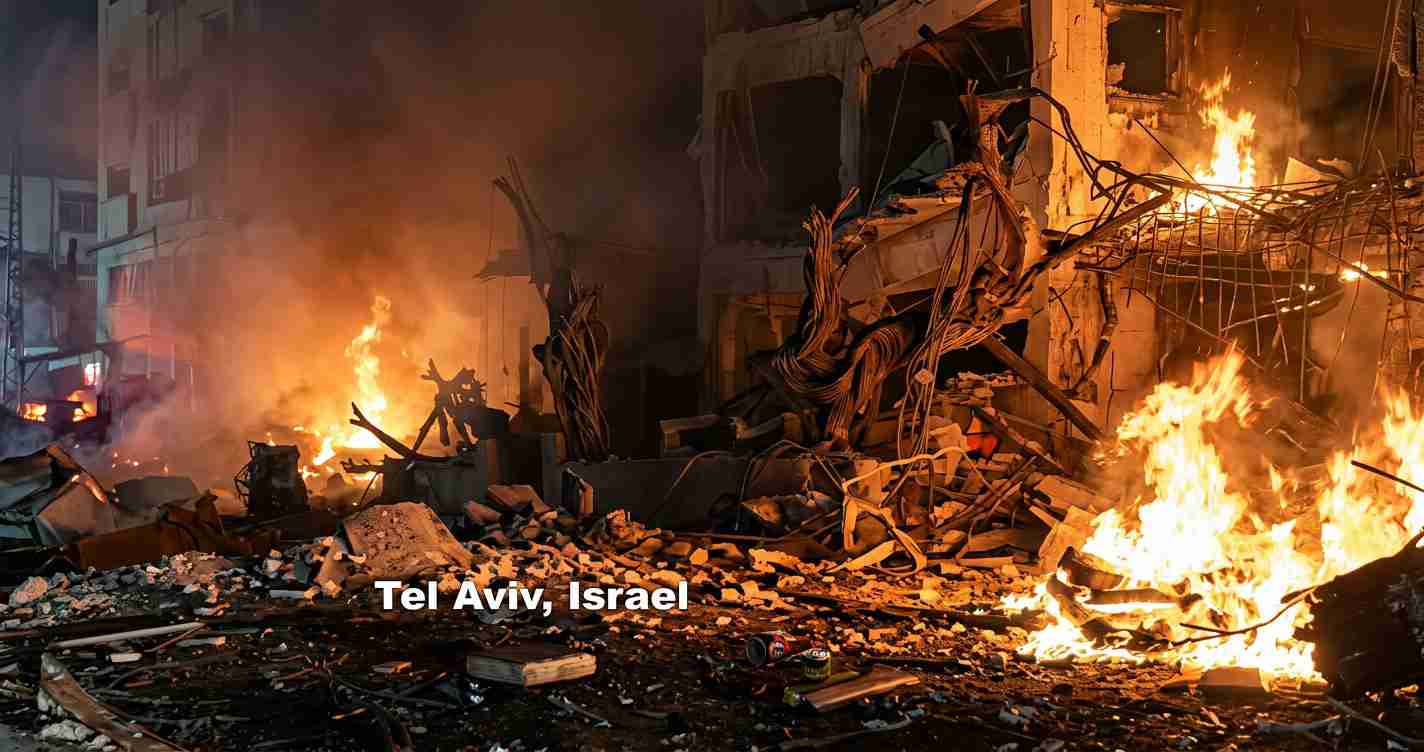
On March 10, 2026, Hezbollah and Iran launched synchronized rocket, drone and cluster-munition strikes against Israel, including bomblets that heavily struck civilian areas in northern Israel, forcing mass sheltering and marking a major escalation in the conflict.
- Fox News reporting cites Israeli experts saying Hezbollah “fully joined the war” with many launches coinciding with Iranian missile salvos.
- Israeli officials confirmed incoming projectiles included cluster munitions, weapons banned by more than 120 countries under the 2008 Convention on Cluster Munitions (reporting via Fox News).
- Open-source tallies from Israel Alma, ACLED and the ISW document hundreds of attack waves since March 2.
Coordinated strikes and cluster munitions
Israeli experts and field reports describe a new pattern of tightly synchronized attack waves: rockets and drones launched in close timing with Iranian missile salvos. Senior researcher Kobi Michael, speaking from a bomb shelter near Tel Aviv, said many Hezbollah launches occur “simultaneously with the Iranian missiles,” producing dense moments that strain air defenses (Fox News).
“Many Hezbollah launches occur simultaneously with the Iranian missiles,” — Kobi Michael (reported via Fox News)
Officials reported that roughly half of recent Iranian projectiles behaved like cluster munitions: airburst weapons that scatter dozens of bomblets over wide areas. Night-time bomblets often appear as orange fireballs and are visually distinctive, making interception difficult. Fox News correspondent Nate Foy noted Israel’s advanced defenses struggle against small, numerous bomblets (Fox News).
Cluster munitions are widely condemned and banned by more than 120 countries under the 2008 Convention on Cluster Munitions because they indiscriminately harm civilians and leave unexploded ordnance. Israeli experts characterized the reported use — and the alleged targeting of civilian areas — as a grave escalation that could necessitate a significant response (Fox News).
Hezbollah’s escalation and tactics
Hezbollah formally entered the broader campaign on March 2, launching retaliatory barrages and seeking to deter an Israeli ground offensive. Open-source analysts counted hundreds of attack waves from March 2–10, with 269 documented waves by Israel Alma (including 159 rocket/missile waves and 86 UAV waves).
Analysts say Hezbollah is applying lessons from past conflicts: shifting to small-unit guerrilla tactics in south Lebanon, avoiding interceptable communications, rationing anti-tank munitions, and operating nearer population centers to complicate targeting. Public messaging frames actions as self-defense while downplaying direct Iranian control to limit domestic political fallout (Fox News, FDD, ACLED).
Tactically, Hezbollah appears to open fronts from Lebanon while Iranian strikes press from other directions — a pattern that Israeli spokespeople call “coordination-like” but have not publicly released intelligence proving direct battlefield command-and-control ties (FDD).
Israel’s response and battlefield effects
Israel’s military has launched repeated airstrikes across Lebanon and against Iranian-linked facilities and missile sites, including reported strikes in Beirut’s southern suburbs (the Dahiyeh) after issuing evacuation warnings. Open-source tallies indicate over 250 strikes in Lebanon by March 10, with dozens of reported militant and infrastructure casualties (Fox News, FDD, ACLED).
The broader U.S.-Israeli campaign — described in some reporting as Operations Epic Fury and Roaring Lion — has targeted Iranian missile production and IRGC-linked sites. Open-source reporting described concentrated strikes that reportedly hit hundreds of targets with more than 1,400 munitions over a recent weekend; U.S. Senate political backing has given campaign leaders wider latitude in planning (Israel Alma, ILTV).
Limitations and independent confirmation
Much of the public reporting through March 10 is Israel-centric. Independent confirmation from Iranian or Hezbollah official channels of synchronized tactics or specific munition types remains limited in open-source materials. IDF statements describe coordination-like patterns but have not released public hard intelligence for independent review. Analysts caution that frontline reports mix verified facts and evolving assessments (FDD, ISW, ACLED).
Implications for the United States
Economic and security risk
A wider regional war drawing in Iran and proxies could disrupt global energy markets and shipping lanes, raising costs for U.S. consumers and exposing U.S. forces and assets in the region to greater risk. Policymakers must weigh deeper involvement against protecting partners and deterring escalation (Israel Alma, FDD).
Domestic politics and public opinion
Congress and the White House face pressure to clarify objectives and rules of engagement for U.S. support. Senate actions have signaled robust backing for Israel, but calls for clear goals and measured steps to avoid open-ended commitment are rising. Messaging that emphasizes civilian protection and preventing broader war may gain bipartisan traction (ILTV).
Humanitarian and legal concerns
Reported use of cluster munitions raises legal and moral issues. Although the U.S. is not party to the 2008 Convention on Cluster Munitions, broad international condemnation will pressure Washington to document attacks, condemn use, and consider humanitarian assistance for civilians in Israel and Lebanon (Fox News).
Military planning and readiness
If attacks aim to overwhelm defenses, U.S. planners must reassess force posture, missile-defense cooperation, and intelligence-sharing. The pattern of synchronized rocket, drone and cluster-munition strikes underscores the need for integrated air-defense planning and contingency options to deter escalation while avoiding entanglement in prolonged ground conflict (Fox News, Israel Alma).
Operational caution for U.S. allies
Regional partners will monitor both the battlefield and Washington’s political signals. Clear limits on U.S. objectives, transparent rules of engagement, and calibrated responses can help prevent mission creep while demonstrable support for Israel may deter further attacks if paired with diplomatic pressure on Tehran (FDD, ISW).
Sources and further reading
- Fox News: Hezbollah, Iran unleash coordinated cluster-bomb strikes on Israel, major escalation
- Israel Alma: Daily report (March 10, 2026) | Israel Alma: Daily report (March 8, 2026)
- FDD analysis: Israel strikes over 500 targets in Lebanon; March 2–6 reporting
- ACLED: Middle East special issue, March 2026
- ISW: Iran Update, March 9, 2026
- ILTV coverage and video reporting on Operations Epic Fury and Roaring Lion
Reporting from Tel Aviv; Times Media Service.



