
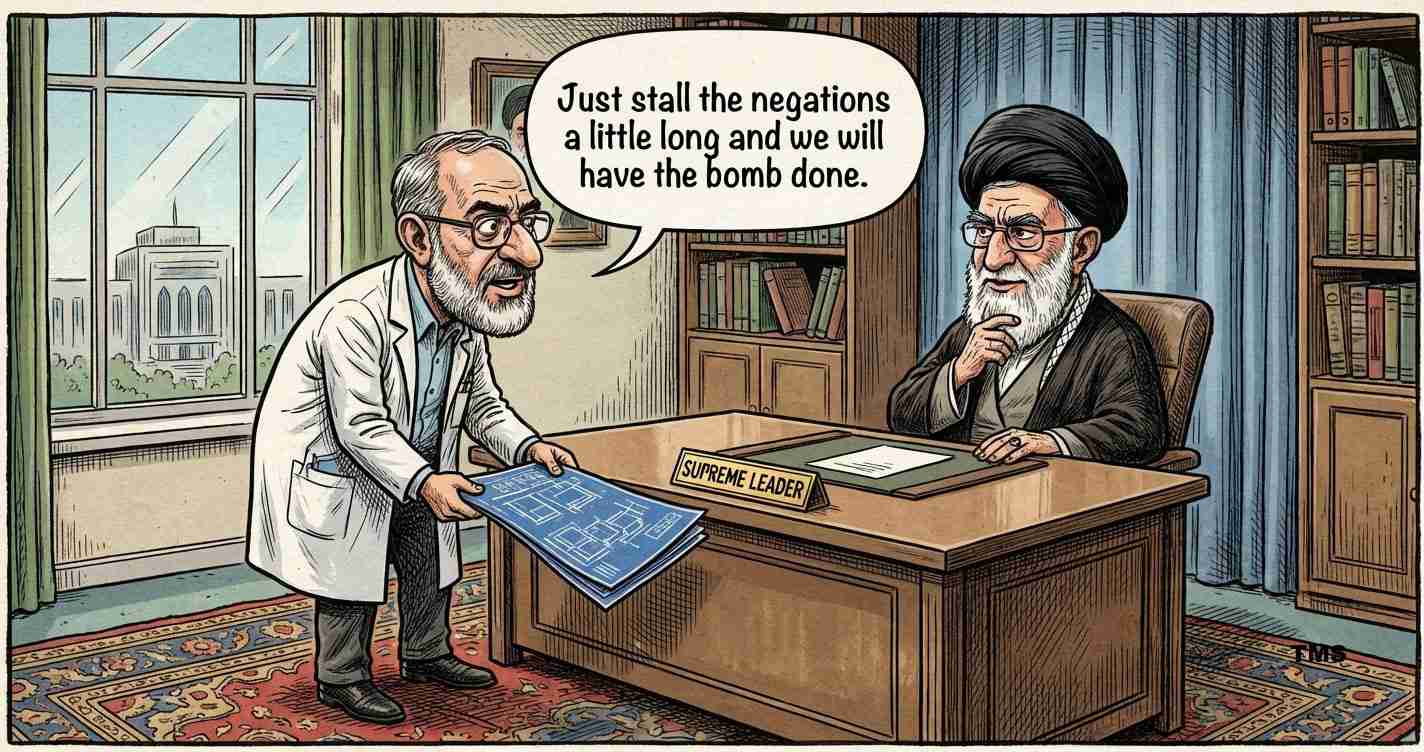
Satellite images show Iran rebuilding, fortifying Isfahan, Natanz and Parchin while holding Trump nuclear talks
New satellite imagery shows Iran is actively rebuilding and fortifying nuclear and military sites—including Isfahan, Natanz and Parchin—after 2024–2025 strikes, even as Tehran continues nuclear negotiations with the Trump administration, raising international concern and strategic questions.
- Commercial satellite imagery reveals earthmoving, concrete works and covered structures at Isfahan, Natanz and Parchin, according to independent analysts and image providers including Times of Israel.
- Hardening measures — including buried tunnel entrances and concrete/soil covers — are intended to blunt airstrikes and obscure activities, experts say, per reporting citing the Institute for Science and International Security and image providers.
- Diplomacy and deterrence collide: reconstruction continues while Iran is engaged in talks with the Trump administration, prompting debate about Tehran’s intentions and implications for U.S. policy and regional allies.
Overview
Newly released photos from commercial providers and independent analysts show systematic repair and fortification at multiple Iranian nuclear and military sites damaged during 2024–2025 strikes—including the June 22 “Midnight Hammer” operation. Analysts say the work ranges from burying tunnel entrances to building concrete shields and rebuilding logistics facilities.
Isfahan: Tunnel entrances buried and reconstruction underway
What imagery shows: analysts report that all three tunnel entrances at the Isfahan uranium enrichment complex appear completely buried under soil and earthworks. The Times of Israel and other outlets cite an ISIS review concluding the entrances are effectively concealed.
Burying entrances can reduce damage from airstrikes and hinder ground access. Isfahan was damaged during the coordinated June 22 strikes that targeted Fordow, Natanz and Isfahan; recent imagery shows both reconstruction and deliberate concealment steps that analysts warn could complicate any future military option.
Natanz: Hardening works under a mountain near enrichment plants
Satellite photos show heavy equipment, dump trucks and cement mixers operating near two tunnel entrances under a mountain approximately two kilometers from Natanz’s industrial area. Observers describe the activity as hardening and defensively strengthening sites to shelter enrichment equipment and make strikes more difficult if works are completed.
Parchin and other military sites: new covers and camouflage
At the Parchin military complex southeast of Tehran, imagery indicates Iran has built a concrete shield over a facility and then covered it with soil to hide it from aerial view. Reporting links reconstruction at Parchin to damage from an October 2024 strike and notes progressive additions of concrete and earth cover into 2026, obscuring the site from open view.
Broader fortification: missile bases and logistics structures
Reconstruction extends beyond nuclear sites. Imagery shows repairs at missile bases struck in 2024–2025: the Qom Missile Base received a new roof over damaged buildings in late 2025, and the Shiraz South base shows rebuilding of command and logistics structures. These repairs indicate Tehran is restoring both offensive and defensive infrastructure across multiple locations.
What analysts and opposition figures say
Alireza Jafarzadeh of the National Council of Resistance of Iran told Fox News Digital the regime is rebuilding enrichment capabilities and “preparing for war” even while engaged in talks. He described the activity as particularly alarming because it coincides with negotiations.
“The pace of reconstruction shows the regime is restoring its enrichment capabilities and preparing for a possible war,” — Alireza Jafarzadeh, NCRI.
David Albright of the Institute for Science and International Security warned that adding soil and concrete could create “fully unrecognizable bunkers,” significantly increasing protection from aerial strikes and giving Iran time to strengthen sites if negotiations stall.
U.S. political reactions and the state of talks
U.S. officials have offered mixed assessments of negotiations. Vice President JD Vance acknowledged some improvements while noting President Trump has set “red lines” Iran has not accepted. The simultaneous pace of reconstruction and diplomacy has raised questions about Tehran’s intent: some experts say Iran may be hedging—pursuing talks while hardening sensitive sites.
Implications for the United States
- National security: Hardening enrichment and military sites could complicate U.S. or allied plans to degrade Iran’s nuclear infrastructure, raising the cost and difficulty of military options.
- Diplomacy: Rebuilding while talks proceed may weaken trust and stiffen U.S. negotiating positions, reducing room for compromise if fortification is seen as preserving capabilities.
- Regional allies: Israel and Gulf partners will monitor reconstruction closely and may press for increased U.S. readiness and intelligence sharing if hardening progresses.
- Intelligence: Commercial imagery and open-source analysis will remain critical to track pace and scope of reconstruction and to determine whether works are defensive, covert, or linked to renewed enrichment.
On the satellite evidence: who saw what
The images cited in recent reporting come from commercial earth-imaging firms and independent analysts. Reports reference imagery from providers such as Planet Labs and reviews by independent watchdogs and analysts that consistently show earthmoving, concrete works and covered structures at multiple sites.
Sources and further reading
- Fox News: “Iran rebuilding nuclear program despite Trump talks, opposition figure claims”
- Times of Israel: “Satellite images show Iran repairing and fortifying sites amid tensions with US”
- Times of Israel liveblog entry
- Iran International: reporting on site repairs and regional responses
- i24news: satellite analysis of Iranian fortification work
- Institute for Science and International Security (ISIS)
- Planet Labs
Reporting note: This article draws on commercial satellite imagery and expert commentary cited above. All original facts, information and source URLs are preserved for verification.



