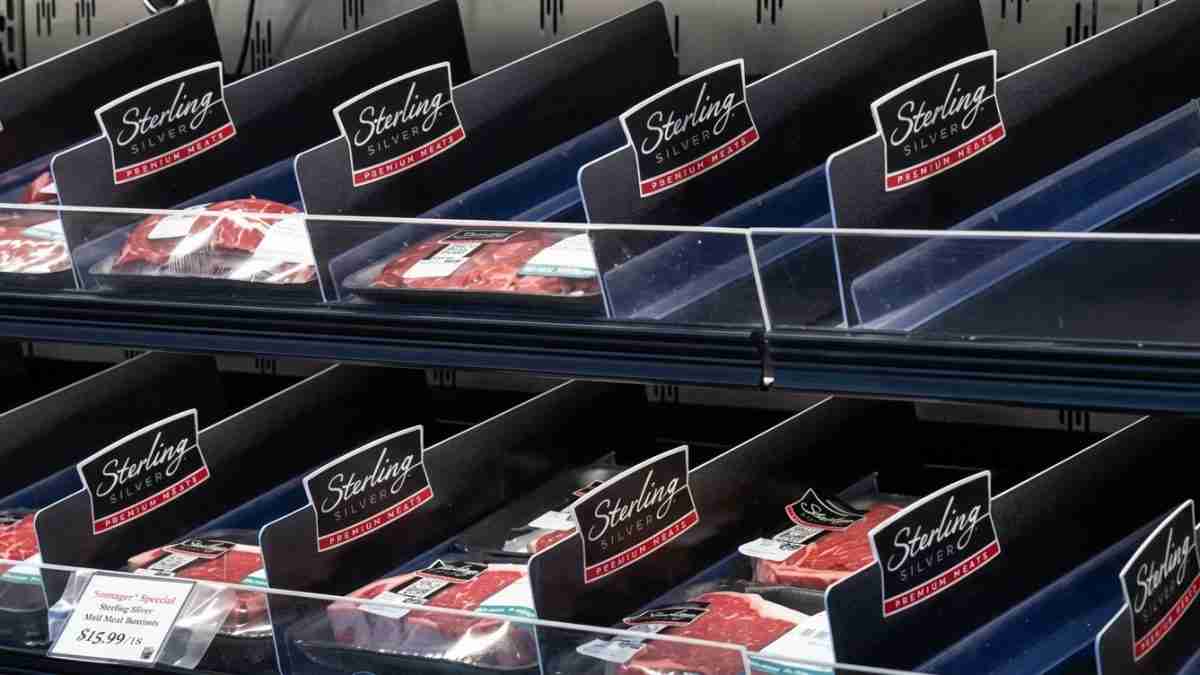
WASHINGTON, Aug. 17 (DC Times Online) — The U.S. cattle herd entered 2026 at its smallest size in decades, a development that is putting pressure on ranchers, meat processors and businesses that depend on a steady supply of beef.
The U.S. Department of Agriculture counted 86.2 million cattle and calves on Jan. 1, 2026. USDA figures show the herd was about 94.7 million head in 2019, meaning the national inventory has fallen by more than 8 million animals in that time.
The decline does not mean beef has disappeared from stores or restaurants. But it does make it harder for the cattle industry to quickly increase the amount of beef available. Rebuilding the herd takes time because cattle must be bred, born and raised before they can be processed.
What the numbers show
The total inventory includes cattle and calves of different types. A key measure for future beef supplies is the number of beef cows — adult female cattle used to produce calves.
USDA data put the beef-cow herd at 27.6 million head on Jan. 1, 2026, down 1% from the previous year and reportedly the lowest level since 1961. The overall cattle and calf inventory fell by about 300,000 head, or 0.3%, from 86.5 million in 2025, according to the American Farm Bureau Federation’s summary of the USDA report.
The USDA released the annual Cattle Inventory report on Jan. 30. The report’s 86.2 million-head total was described by NPR and Bloomberg as the lowest since 1951.
Why a smaller herd matters
Cattle move through a multiyear production system. Ranchers keep breeding cows to produce calves. Those animals are then raised until they are ready for market. When ranchers reduce the number of breeding cows, the effect can continue through later stages of the supply chain.
That long cycle limits how quickly producers can respond when beef demand is strong. A rancher who adds breeding cows cannot turn that decision into a large supply of market-ready cattle immediately. The industry must first build the breeding herd and produce additional calves.
The American Farm Bureau Federation said the industry remains in the contraction phase of the cattle cycle. It said meaningful expansion is unlikely until at least 2028.
The causes of the smaller herd described in available industry and media summaries include drought, limited feed supplies and financial pressure on ranchers. The supplied records do not identify a single cause or provide a national breakdown showing how much each factor contributed.
Does a smaller herd mean less beef?
Not necessarily in the short term. Beef production also depends on the weight of cattle, processing decisions, imports and exports, and other parts of the market.
USDA-reported U.S. beef and veal production totaled 11.8 million metric tons in 2025. NPR described that figure as slightly higher than the 2005 level, even though the cattle herd was smaller.
That comparison shows why cattle inventory and beef production are not the same measure. Producers and processors can sometimes produce similar amounts of beef from fewer animals by raising heavier cattle or changing how animals move through the system. Those gains, however, do not remove the need for a healthy breeding herd if supplies are to expand over time.
Who faces the business impact?
Ranchers are affected first by the cost and timing of rebuilding their herds. Keeping more cows can reduce the number of animals sold in the near term, while feed, land, labor and financing costs continue. The potential payoff comes later, when additional calves reach market.
Meatpacking companies and beef processors face a different challenge: securing enough cattle to keep plants supplied. A smaller herd can make procurement more competitive and increase uncertainty about future operating costs. The available information does not identify specific processors or quantify the effect on their profits, employment or plant operations.
Retailers, restaurants and consumers are also exposed to the market’s tighter supply. But the supplied data do not provide specific national retail prices or price changes, so they do not establish how much more shoppers are paying for particular cuts of beef.
When could supplies recover?
Recovery depends on ranchers deciding to expand their breeding herds and having the feed, land and financial conditions to do so. Even after expansion begins, new calves need years to mature.
The American Farm Bureau Federation’s analysis points to 2028 or later for meaningful herd expansion. A USDA projection cited by The Week estimated that the cattle inventory could reach 91.6 million head in 2034. That would still be below the approximately 94.7 million-head level recorded in 2019.
The outlook therefore is not a quick return to earlier herd sizes. For the beef industry, the central business issue is the time required to rebuild the animals that produce future supplies — and the costs borne by ranchers, processors, retailers and customers while that process unfolds.