
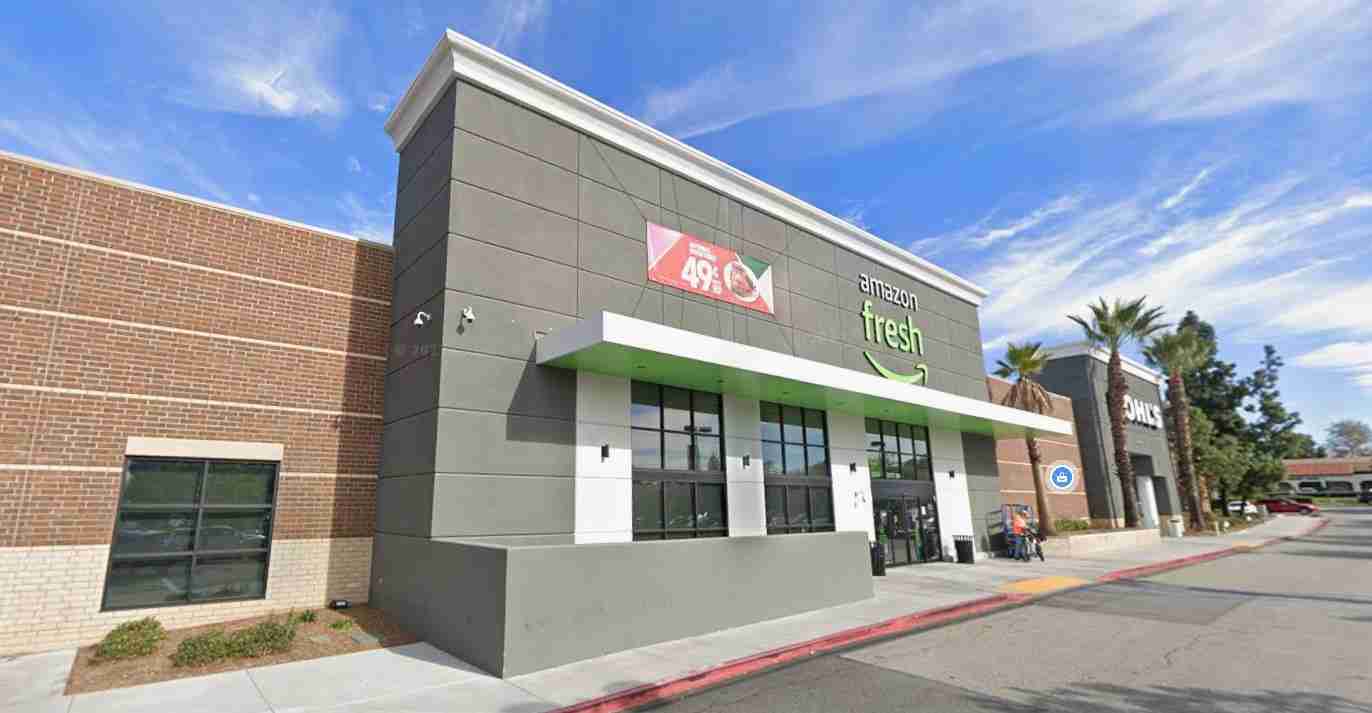
Amazon to Close Four Southern California Amazon Fresh Stores as Grocery Strategy Shifts
Amazon is closing four Amazon Fresh stores in Southern California—Mission Viejo, La Habra, Whittier and La Verne—as it refocuses grocery operations toward Whole Foods and delivery-first channels, citing uneven store performance and a push for profitability.
- Stores closing: Mission Viejo, La Habra, Whittier and La Verne (Source: TechBuzz report).
- Strategy shift: Amazon says “some locations perform much better than others,” prompting a focus on stronger sites and delivery-first channels (TechBuzz).
- Employees: Impacted workers will be offered transfers where possible and severance when roles are cut (TechBuzz).
- Local detail: La Verne had recent remodel work within the last six months (RetailWatchers forum).
Background: Amazon Fresh expansion and retrenchment
Amazon launched its Fresh grocery chain in 2020 to compete with traditional supermarkets and reach broad U.S. grocery shoppers. The company invested heavily in store openings and in-store tech, including cashierless systems, anticipating a hybrid physical-plus-digital model.
By 2023, Amazon paused further Fresh expansion and scaled back its “Just Walk Out” deployments after limited consumer uptake. The current Southern California closures are another sign of retrenchment as Amazon reallocates resources to higher-margin assets like Whole Foods and delivery-first services (TechBuzz).
What happened in Southern California
Amazon informed employees that four Fresh locations in Orange and Los Angeles counties will close: Mission Viejo, La Habra, Whittier and La Verne. Local reports indicate staff at La Verne were told the store would close by mid-November and that managers discussed severance during an all-hands meeting (TechBuzz; RetailWatchers).
“Some locations perform much better than others,” Amazon said, framing the closures as a move to concentrate on locations and services that attract customers and drive profit (TechBuzz).
Company rationale and strategy
The company’s stated rationale centers on focusing capital and operational effort on higher-performing sites and channels. Under CEO Andy Jassy, Amazon has emphasized cost controls and prioritizing scalable, profitable businesses. That has led to a narrowed Fresh footprint and more investment in Whole Foods and logistics-driven delivery services (TechBuzz).
Employee impact and company response
Amazon says it will offer impacted employees internal transfers when possible and provide severance packs to those who cannot be redeployed. Local accounts report managerial briefings at the La Verne store that covered next steps and separation details (TechBuzz).
Employees may still face unemployment if suitable roles are not available. The move follows Amazon’s typical pattern of attempting redeployment first, then offering separation packages where necessary.
Industry reaction and the competitive landscape
Analysts note that grocery has thin margins and that operating many small-format stores is costly. Amazon’s pivot suggests a bet on strengths—Whole Foods and delivery logistics—rather than continuing to back a mass-market Fresh chain that has underperformed expectations.
In the U.K., Amazon has converted some Fresh outlets into Whole Foods locations, underscoring the company’s willingness to reassign real estate to formats that better match strategic goals (TechBuzz).
Wider pattern of closures
The Southern California closings are part of a broader wave: earlier Fresh closures occurred across multiple U.S. states—including Washington, Virginia and New York—as well as 14 closures in the U.K. This is a sustained pullback rather than isolated decisions, reflecting ongoing testing of grocery approaches from high-end stores to delivery-first models (TechBuzz).
Operational costs, remodels and timing
The La Verne store’s recent remodel—reported within the last six months—raises questions about Amazon’s decision-making on investments. Retail watchers suggest renovations are sometimes used to try to boost traffic before deciding to close underperforming locations (RetailWatchers).
Implications for United States
Economic impact: Job losses are localized but meaningful. Suppliers and contractors tied to the closed stores may see reduced business, even as Amazon tries to redeploy workers internally.
Retail competition: A smaller Fresh footprint could ease pressure on some local supermarkets while Amazon’s strengthened delivery capabilities continue to challenge online grocery providers.
Policy and community: Local policymakers may need to monitor commercial vacancy and support retraining programs. Stores often act as neighborhood anchors, so closures can affect foot traffic and nearby businesses.
Sources and further reading
- TechBuzz: Amazon shutters 4 more Fresh stores as grocery pivot continues
- RetailWatchers: Forum reporting on La Verne remodel
This reporting draws on local reporting and industry sources that tracked store operations, employee notifications and company statements about strategic priorities and employee support.



