
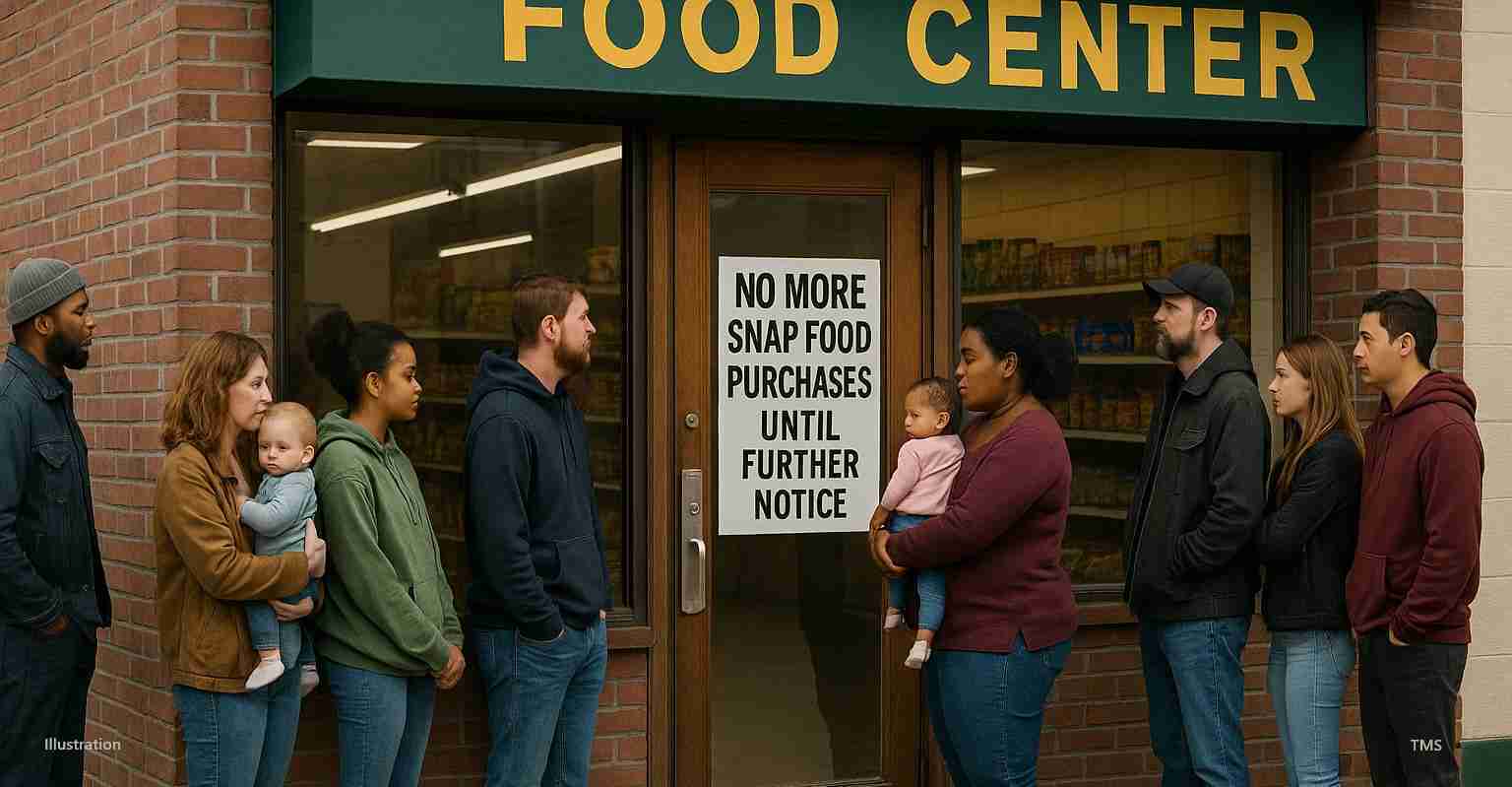
Democrats under fire as SNAP benefits end November 1: 42 million Americans caught in federal funding fight
Beginning November 1, 2025, over 42 million Americans who rely on SNAP face suspended benefits as federal funding lapses amid a prolonged government shutdown, creating widespread food insecurity unless Congress urgently restores appropriations and funding.
- SNAP benefits end November 1, 2025, unless Congress restores funding.
- As many as 42 million Americans could lose access to their food assistance during the shutdown.
- Electronic Benefit Transfer (EBT) cards may be deactivated at stores beginning Nov. 1, preventing use of remaining balances in some states.
- States cannot guarantee benefits beyond October without federal appropriations; see New York guidance and Missouri guidance.
What will change on November 1
Monthly payments could stop at the start of November. In practice, families may see no deposit to their EBT accounts for November. SNAP benefits end November 1, 2025, unless Congress restores funding.
Scope of the impact: 42 million Americans
SNAP serves children, seniors, people with disabilities, and low-income working families. The projected number — roughly 42 million people — illustrates the scale of potential need. Food banks and local charities may face a sudden surge they cannot meet. As many as 42 million Americans could lose access to their food assistance during the shutdown.
State-by-state differences and uncertainty
States are preparing emergency plans but stress limited options. For example, New York officials said October benefits are expected but offered no federal guarantee for November. Missouri’s Department of Social Services confirmed November payments cannot be issued without federal funds. Because SNAP is federally financed, many administrative actions — including new enrollments and recertifications — can be halted.
EBT access and grocery purchases
One immediate technical risk is that EBT cards may be deactivated at point of sale. That would prevent some recipients from using November deposits or cached balances in parts of the system. Electronic Benefit Transfer (EBT) cards may be deactivated at stores beginning Nov. 1, preventing use of remaining balances in some states.
“It is not only funds at risk but the ability to buy groceries when people need them.”
Local aid and capacity limits
Local food banks, pantries and charities are mobilizing, but the SNAP program’s scale far exceeds most community networks. Providers warn they will be quickly overwhelmed if millions lose access to benefits. Local organizations are urging people to seek help early, but officials note community efforts cannot replace federal monthly assistance.
Political fight and accountability
Accusations and rebuttals: Republican critics say Democrats — controlling the Senate and White House — are failing to secure funding and are “putting millions at risk.” Democrats respond that they proposed bipartisan spending plans but that Republican demands for policy riders and cuts block a clean appropriations path. For many voters, the key issue will be which lawmakers negotiate in good faith to protect vulnerable Americans.
Administrative consequences beyond payments
A prolonged shutdown would halt application processing, recertifications, and oversight. That creates backlogs that could delay benefits for weeks or months even after funding returns, making it harder for people to regain access to the safety net. State guidance warns of procedural damage and delays.
What local officials are advising
Officials urge recipients to contact local human services offices, check agency websites, and locate community food resources now. These are stopgap measures; they are not commensurate with SNAP. Missouri’s site and other state pages list resources and updates.
Aid alternatives and limits
Churches and civic organizations are mobilizing volunteers and supplies, but inventories are thin and capacity to scale quickly is limited. Providers warn of increased hunger, skipped meals, and greater strain on emergency services if the shutdown continues. Goodwill cannot replicate federal benefits at scale.
Implications for the United States
Economic: Loss of SNAP would reduce consumer spending in local grocery stores, hurting small grocers and local jobs.
Political: The pause will shape voter impressions and increase pressure on lawmakers to deliver solutions without harmful riders.
Social & Cultural: Children, the elderly, and working families are most at risk; faith-based and civic relief efforts will be tested but likely overwhelmed.
Practical applications for residents
- Check state human services websites and local food bank directories now.
- Take stock of current EBT balances and prepare for possible refusal of cards after Oct. 31.
- Connect with community charities and prepare short-term household budgets.
What to watch next
Monitor congressional action on emergency funding bills that explicitly include SNAP appropriations. Watch state human services departments for updates on EBT transactions and recipient notifications. If funding returns, agencies will need to address backlogs and missed payments. For official state updates see SNAP guidance, New York guidance, and Missouri guidance.
Bottom line: The looming Nov. 1 cutoff puts millions at immediate risk; the window for congressional action is short and the human consequences are significant.



