
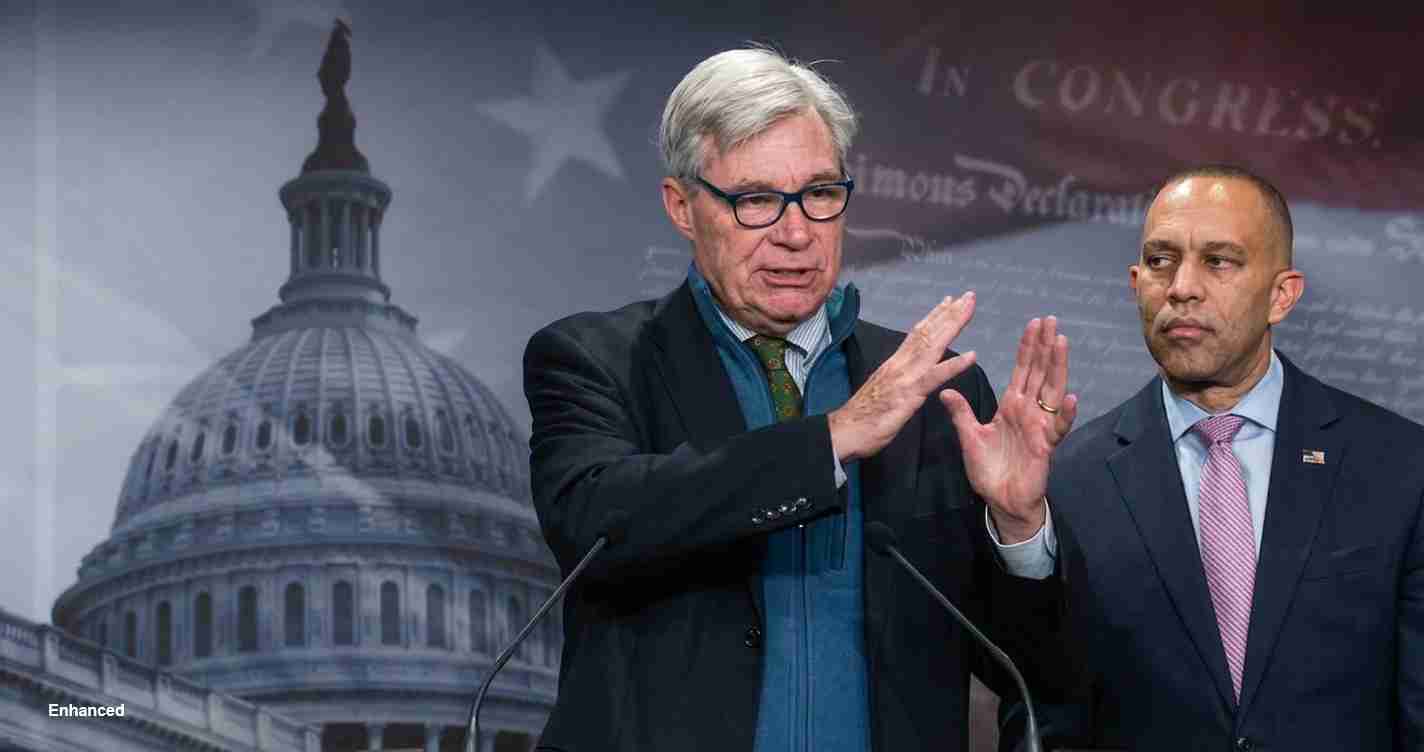
White House Calls Sen. Whitehouse ‘Victim’ of ‘Green New Scam’ After COP30 Dust-Up Over Rubio Funding
A sharp exchange erupted after Sen. Sheldon Whitehouse criticized Sen. Marco Rubio for blocking funding for US representation at COP30 in Brazil, prompting the White House to label Whitehouse “a victim of the Green New Scam,” escalating partisan debate.
- Funding fight: Whitehouse accused GOP opposition, including Sen. Marco Rubio, of blocking funding that limited U.S. presence at COP30.
- White House response: Spokeswoman Taylor Rogers called Whitehouse “a victim of the Green New Scam,” turning a budget spat into ideological rhetoric.
- Geopolitical stakes: China’s amplified visibility at COP30 highlighted concerns about U.S. influence when representation is reduced.
- Policy debate: Carbon capture and fossil-fuel industry roles at COP30 intensified disputes over climate strategy and credibility.
What happened at COP30 and the funding row
Senator Sheldon Whitehouse traveled to COP30 in Belém, Brazil, where world governments and stakeholders convened to discuss climate action, technologies, and commitments. Whitehouse — a long-time critic of fossil-fuel influence in U.S. policy — used his attendance to push for stronger American engagement and to criticize what he described as missed opportunities when congressional delegations are underfunded or blocked from attending. He singled out Senator Marco Rubio and other Republicans for opposing funding that would have expanded U.S. participation, framing the matter as a lapse in American leadership (source: Steve Ahlquist Substack report; AOL coverage).
White House response and conservative criticism
The White House, through spokeswoman Taylor Rogers, dismissed Whitehouse’s complaint and reframed it as ideological. Rogers said Whitehouse was “a victim of the biggest scam of the century: the Green New Scam,” elevating the dispute from a budgetary disagreement to a harsh rhetorical attack on climate-policy advocates (source: AOL).
Conservative groups, including Power the Future led by Daniel Turner, echoed the critique. Turner questioned Whitehouse’s praise for elements of COP30 and flagged concerns about applauding China’s increased pavilion presence, arguing praise risked downplaying strategic competition and economic interests (source: AOL).
Context: US climate diplomacy, China and COP30
COP30 underscored a key diplomatic risk: when Washington’s high-level presence is limited, other global actors — notably China — can occupy the vacuum. Reporting noted China’s increased visibility and engagement, and its pavilion drew significant attention. That dynamic raised concerns about American influence in setting standards, norms, and market rules in climate-related technologies and trade (source: Jerusalem Post coverage).
Carbon capture, summit priorities and the “scam” charge
Technical debates at COP30 included the role of carbon-capture technologies. Whitehouse has defended carbon capture as one tool to limit warming while warning it must not become an excuse to continue high emissions. Environmental groups at the summit also expressed alarm about overrepresentation of fossil-fuel interests promoting carbon-capture solutions that critics say could perpetuate fossil-fuel use (source: The Japan Times).
The White House’s phrase “Green New Scam” is an explicitly partisan rhetorical device meant to recast the Green New Deal framing. Investigative review shows the “scam” charge is rhetorical and political: there is no public evidence that Senator Whitehouse personally profited from attending COP30 or was victimized by a fraud. Critics used the label to question the motives, scale, and oversight of some climate policy proposals (source: AOL).
Voices on both sides
- Senator Sheldon Whitehouse: Attended COP30, urged stronger U.S. action, defended carbon capture as a tool while warning it not be an excuse for increased emissions (source: Steve Ahlquist Substack; The Japan Times).
- Taylor Rogers, White House spokeswoman: Framed Whitehouse as “a victim of the biggest scam of the century: the Green New Scam,” casting his stance as ideologically driven (source: AOL).
- Daniel Turner, Power the Future: Criticized Whitehouse’s praise of COP30 and attention to China’s pavilion, reflecting conservative skepticism about the summit’s practical outcomes (source: AOL).
Why this matters nationally
US credibility: Limited U.S. participation can reduce Washington’s influence on standards that affect trade, technology, and security (source: Jerusalem Post).
Budget priorities: Disputes over travel and delegation funding are proxies for deeper battles about investment in international climate diplomacy versus domestic needs.
Policy direction: The “Green New Scam” label signals an attempt to reshape the debate and could hinder bipartisan progress on practical measures such as carbon capture or emissions rules.
Geopolitical competition: China’s growing role at COP30 illustrates how climate policy intersects with great-power dynamics and influence.
Implications for the United States
Economic impact: Continued blocking of funding for robust participation could cost U.S. businesses influence in shaping rules for emerging energy markets and climate-related trade standards, disadvantaging firms in carbon capture, energy storage, and clean manufacturing (source: Jerusalem Post).
Political consequences: The exchange deepens partisan divides and may further politicize routine diplomatic activity; lawmakers skeptical of funding may double down if rhetoric frames spending as wasteful.
Social effects: Persistent rhetorical attacks and “scam” claims can erode public trust in climate policy, polarizing opinion and complicating pragmatic solutions.
Reporting and sources
This account draws on reporting and public statements about the incident, including:
- AOL: “White House dubs Dem a scam victim…”
- Steve Ahlquist Substack: Senator Whitehouse reporting on his COP30 trip
- The Japan Times: Coverage of carbon capture debates at COP30
- Jerusalem Post: Coverage of China’s role and pavilion at COP30
Bottom line: The dispute over funding and the White House’s rhetorical escalation underscore how U.S. climate diplomacy remains entangled in domestic partisan politics. Lawmakers, advocacy groups, and voters will watch how funding and messaging shape America’s posture at future climate talks.



