
Netflix Acquires Warner Bros.? $72B Deal Faces Stern Trump Antitrust Review, Analysts Say
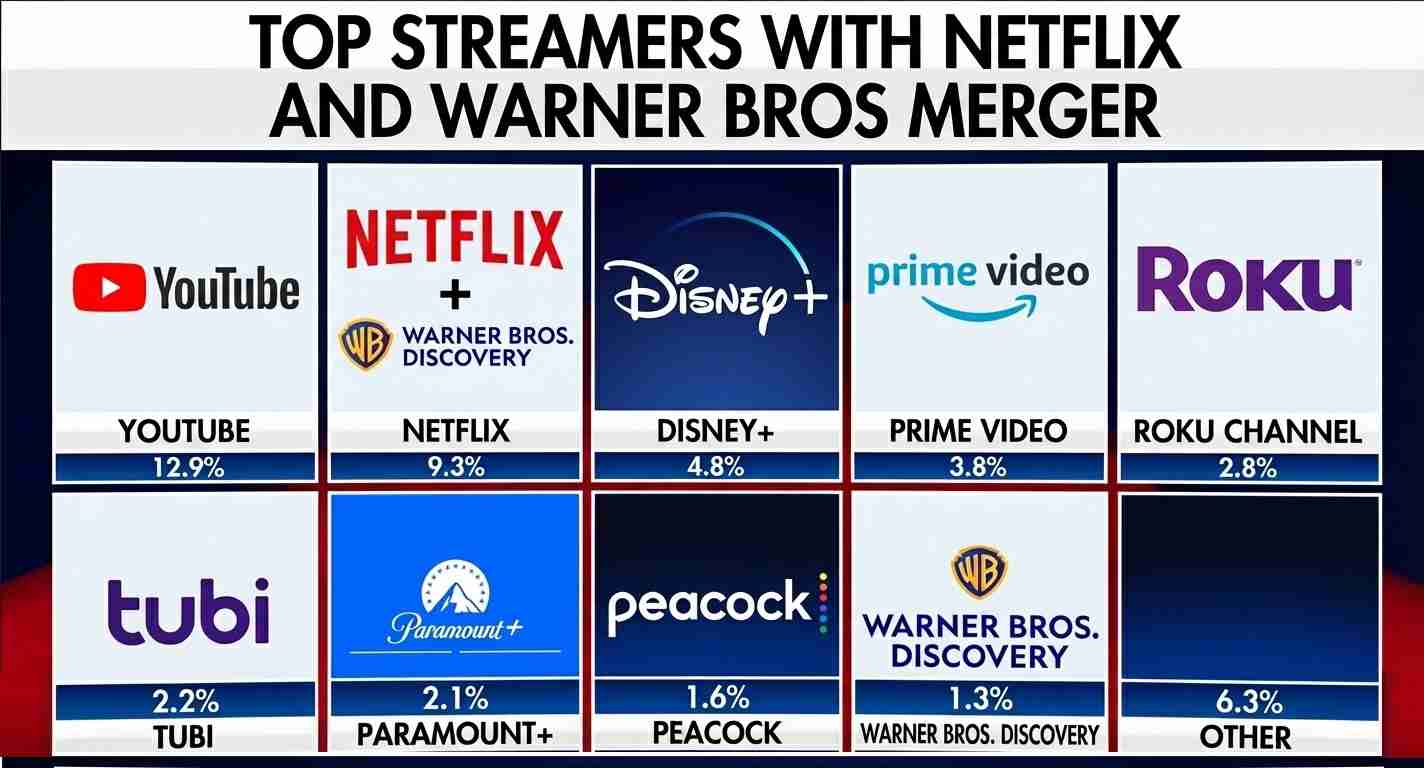
Streaming giant Netflix is set to buy Warner Bros. Discovery’s studios, HBO/HBO Max and DC Studios in an estimated $72 billion equity deal (about $82.7bn including debt), unanimously approved by both boards but facing tough antitrust review.
Key takeaways
- Deal value: About $72 billion in equity, roughly $82.7 billion including debt.
- Assets to transfer: Warner Bros. studio operations, HBO/HBO Max streaming, Warner Bros. TV & Motion Picture Group, and DC Studios/IP.
- Corporate split: Warner Bros. Discovery would split into two companies; Netflix would acquire the “Warner” half while Discovery Global keeps CNN, TNT Sports, Discovery+ and others.
- Approval status & timing: Boards have unanimously approved; closing is projected in 2026 after the split and regulatory review.
Deal structure and assets
Reports say Netflix would buy Warner Bros. Discovery’s film and television studios along with HBO and related streaming assets in a transaction valued at about $72 billion in equity and about $82.7 billion including debt. See the original price reporting from New Indian Express.
As described, the deal would begin with Warner Bros. Discovery splitting into two companies. One — the “Warner” half — would hold the studios, HBO, HBO Max, DC Studios and main production units that Netflix would acquire (Illustrated Daily News; Urban Hollywood 411).
A second entity, called Discovery Global, would retain cable and sports networks including CNN, TNT Sports, Discovery+, OWN and Bleacher Report and would not be part of the Netflix transaction (New Indian Express).
What Netflix would control
If regulators approve the merger, Netflix would gain control of HBO and HBO Max’s streaming and programming library, DC Studios and its characters, plus major Warner Bros. franchises such as Harry Potter, Game of Thrones and the Batman and Superman families. Industry reporting frames the move as joining “two of the three biggest streamers” with “one of the largest traditional movie and television studios,” substantially expanding Netflix’s global library (Illustrated Daily News; The Condia).
Regulatory and political outlook: Trump antitrust review
Analysts warn the agreement will face intense antitrust and regulatory review in the United States and abroad. Coverage cites expectations that it will be “challenging to get the Trump administration to approve the merger,” pointing to competitive and political concerns (Illustrated Daily News; The Condia).
Analysts say it will be “challenging to get the Trump administration to approve the merger.”
Observers also note reported preferences within political circles — including attention to alternate buyers such as the Ellison family’s ownership of Paramount Global — that could complicate negotiations and create perceived political obstacles (Urban Hollywood 411).
Important: reports do not identify any formal Department of Justice or White House statement directly opposing the deal; the cautious outlook is based on market analysts and industry experts (Urban Hollywood 411; Illustrated Daily News).
Why the deal is controversial
Antitrust concerns focus on the combined company’s potential market power. Critics warn that merging Netflix’s global streaming reach with Warner’s premium studio output and HBO’s subscriber base could reduce competition in streaming, theatrical distribution and content licensing (New Indian Express; Illustrated Daily News).
Producer groups and guilds have warned of possible job losses and reduced variety of content if one company gains dominant bargaining power over projects, distribution windows and licensing. A reported group of producers has raised concerns to Congress about “monopolistic control” and changes to theatrical-release incentives if Netflix owns substantial studio output (The Condia; New Indian Express).
Impact on HBO Max, DC Studios and franchises
Under the proposed deal, HBO and HBO Max would be folded into a new Netflix-owned studios and streaming company. Public details on branding and product strategy remain limited, but reporting treats HBO’s programming pipeline and library as assets Netflix would control and deploy globally (New Indian Express; Urban Hollywood 411).
DC Studios and the broader DC Universe — including Batman, Superman and other character franchises — would come under Netflix’s umbrella, though current creative leaders are expected to remain initially (The Condia).
Netflix would also gain access to major IP such as Game of Thrones and Harry Potter, potentially folding these properties into its global slate and marketing plans (Illustrated Daily News).
Timing, breakup fees and closing conditions
The transaction is tied to Warner Bros. Discovery’s planned 2026 split; Netflix would acquire the Warner half only after that corporate division. Boards of both companies have reportedly approved the deal, with parties expecting a closing roughly 12–18 months after announcement — a timetable dependent on regulatory approvals (Illustrated Daily News; The Condia).
Reports note Netflix agreed to a significant breakup fee to protect Warner should regulators block the deal or another bidder succeed; that fee could cost Netflix billions if clearance fails (Illustrated Daily News).
Implications for the United States
Economic impact: A merged Netflix–Warner entity could reshape U.S. entertainment markets, altering financing, distribution and licensing. Studios, talent agencies and local production hubs may face shifts in bargaining power and investment patterns (The Condia; New Indian Express).
Political consequences: The deal is likely to be a high-profile test of the Trump administration’s antitrust posture. Regulators will weigh competition concerns against market arguments and political optics; congressional interest from producer groups signals potential legislative scrutiny (Urban Hollywood 411; The Condia).
Social effects: Viewers could see centralized access to popular shows under Netflix, affecting subscription choices. Creators and guilds have flagged content diversity and job-security concerns in production communities (New Indian Express).
Cultural relevance: Control of franchises like Game of Thrones, Harry Potter and DC heroes will influence storytelling, merchandising, theme-park deals and cultural exports; changes in creative strategy could reshape long-running franchises.
Practical applications: Consumers may face bundled offerings, subscription changes or restructured release windows. Local production workers could see orders adjusted, and advertisers, licensees and smaller streamers might need to adjust strategies if licensing becomes more centralized (Illustrated Daily News).
Reporting sources
This article draws on reporting and industry summaries from:
Additional reporting and company statements were reviewed where available.



