
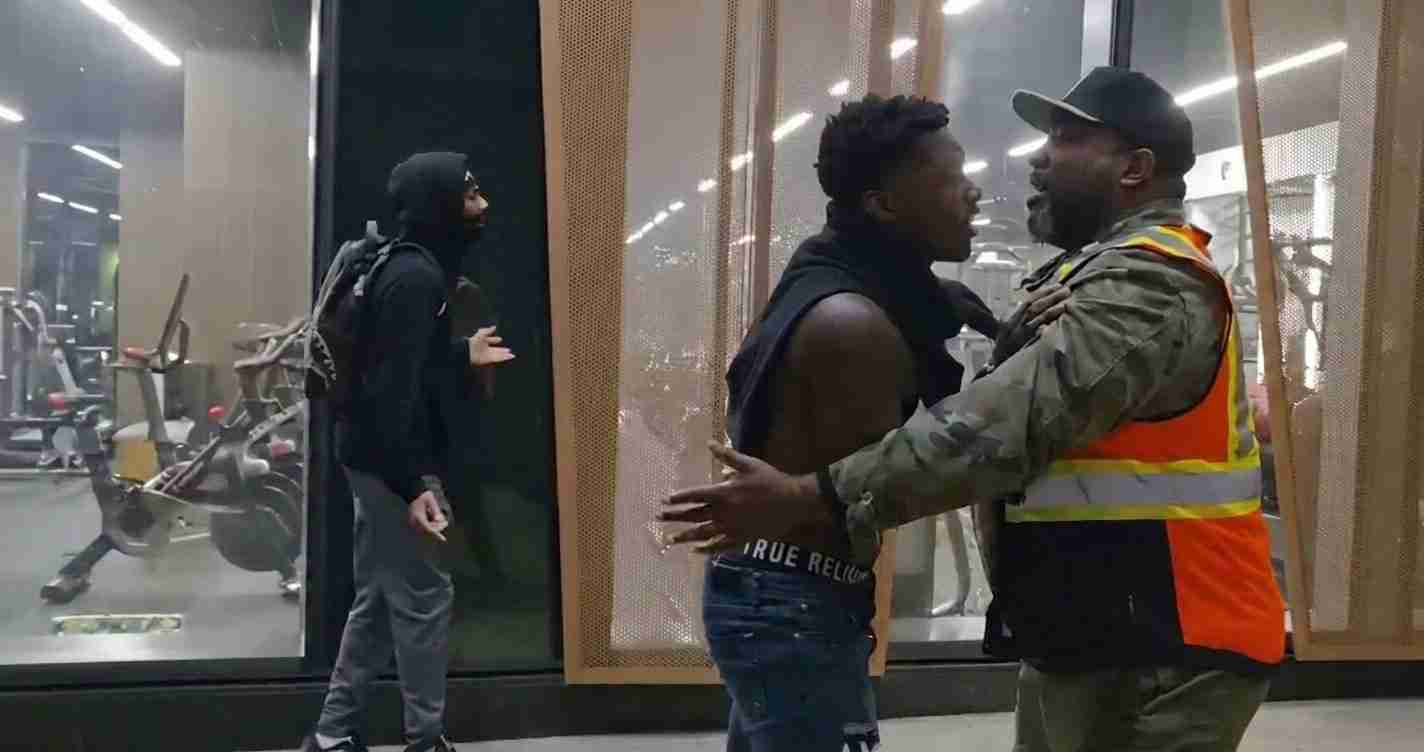
DC teen curfew expires as spring break begins, sparking renewed concern over “teen takeovers”
Washington D.C.’s emergency juvenile curfew expired April 15, 2026, as spring break began, raising renewed concerns over potential “teen takeovers” and unrest, while a separate citywide curfew remains in effect and leaders debate extensions and alternatives.
Key takeaways
- Emergency juvenile curfew expired April 15, 2026: The targeted law letting police set temporary juvenile curfew zones lapsed as spring break began.
- Separate citywide curfew remains: An 11 p.m.–6 a.m. citywide curfew is still in effect, according to the MPD.
- Debate over effectiveness and equity: Supporters call the tool preventive; critics say it disproportionately targets Black youth and fails to address root causes.
- Council vote and political pressure: D.C. Council is set to vote on an extension April 21; Mayor Bowser supports extension amid criticism from civil-rights groups and outside voices.
Main coverage
What ended and why it mattered
The Juvenile Curfew Second Temporary Amendment Act of 2025 — an emergency law that let the Metropolitan Police Department (MPD) declare temporary juvenile curfew zones banning groups of nine or more minors from gathering between 8 p.m. and 6 a.m. in specified high-volume areas — expired on April 15, 2026, drawing attention as spring break began and unsanctioned gatherings have become more common (WFMD).
Recent incidents and the role of social media
In early April (April 4–6), large groups assembled after 8:30 p.m. in areas such as Navy Yard and The Wharf, with police reporting fights and at least one instance of a person arrested for brandishing a knife in a designated curfew zone (WFMD (Apr. 7)).
Activist video shared on X (formerly Twitter) showed dozens crowding a busy intersection after curfew hours; while some disorderly conduct was reported, many crowds dispersed without arrests. Separate arrests (four people) occurred near Waterfront Metro Station, which is outside the juvenile curfew zone (WFMD; Fox News (Spanish)).
Officials and police cite viral posts, messaging apps and coordinated plans as central drivers enabling quick assembly and a perceived challenge to authority; the emergency law aimed to blunt those localized plans (WFMD (Apr. 7)).
Enforcement data and outcomes
MPD records show 280 recorded juvenile curfew violations over two years, with no arrests tied directly to those violations; consequences typically included parental pickup, community service (up to 25 hours), and potential fines for parents (up to $500) if they did not retrieve their child (WJLA I-Team).
This year, police logged only one juvenile curfew violation before the law expired, raising questions about how widely the tool was used and whether fines/community service can deter repeat behavior tied to social-media-driven gatherings (WJLA; WTOP).
Political response and next steps
Councilmember Brooke Pinto introduced emergency legislation to extend juvenile curfew authority through September 25, 2026, arguing police need the legal tool when intelligence points to planned takeovers. The D.C. Council delayed the vote and scheduled it for April 21. Mayor Muriel Bowser voiced support for extension, calling the law “a tool” among others that has been effective (WFMD).
Conservative commentators outside the city also reacted; U.S. Attorney Jeanine Pirro criticized the council’s delay, calling the pause during spring break an example of what she described as “inept laws” that hinder public safety (WFMD).
Opposition and civil-rights concerns
Advocates warn the policy can be applied unevenly. Pan-African Community Action (PACA) and other groups argue juvenile curfews target Black working-class youth in Wards 7 and 8 while ignoring root causes such as poverty and a lack of youth programming (WFMD).
Critics also note that many curfew violations result in parental pickup rather than arrests, prompting calls to pair any extension with investments in recreation, jobs and supervised events as safer alternatives during school breaks (WTOP).
What enforcement looks like on the ground
When a juvenile curfew zone is declared, police can ban gatherings of nine or more minors in that area during curfew hours. Enforcement has largely prioritized dispersal and parental pickup rather than arrests for curfew violations. However, when gatherings escalate to violent incidents or involve weapons, officers pursue separate criminal charges as they did during early April incidents (WFMD (Apr. 7)).
The limited number of documented curfew violations this year raises questions about whether the law was used broadly enough before expiration and whether enhanced prevention (for example, more Park and Recreation supervision) would be a more effective alternative (WFMD; WJLA).
Implications beyond Washington
D.C.’s timing — the juvenile curfew lapsing as spring break begins — creates a test case for cities nationwide weighing three key threads:
- Public-safety tools and deterrence: Leaders balancing pressure to protect residents and businesses during busy seasons, and arguing targeted curfews can deter planned violence (WFMD).
- Enforcement limits and outcomes: Data showing many violations end without arrests prompts debate over whether fines and community service change social-media-driven behavior (WJLA; WTOP).
- Equity and community trust: Critics warn of uneven enforcement and urge coupling enforcement measures with investments in jobs, supervised activities and community resources (WFMD; WTOP).
Voices on both sides
“We need this tool when we have intelligence about planned takeovers,” said a councilmember supporting extension, while critics counter that curfews risk unfairly targeting vulnerable youth and do not solve underlying problems.
Sources cited in this report
Reporting draws on local and regional coverage, law-enforcement summaries and public statements from D.C. officials and advocacy groups.



