
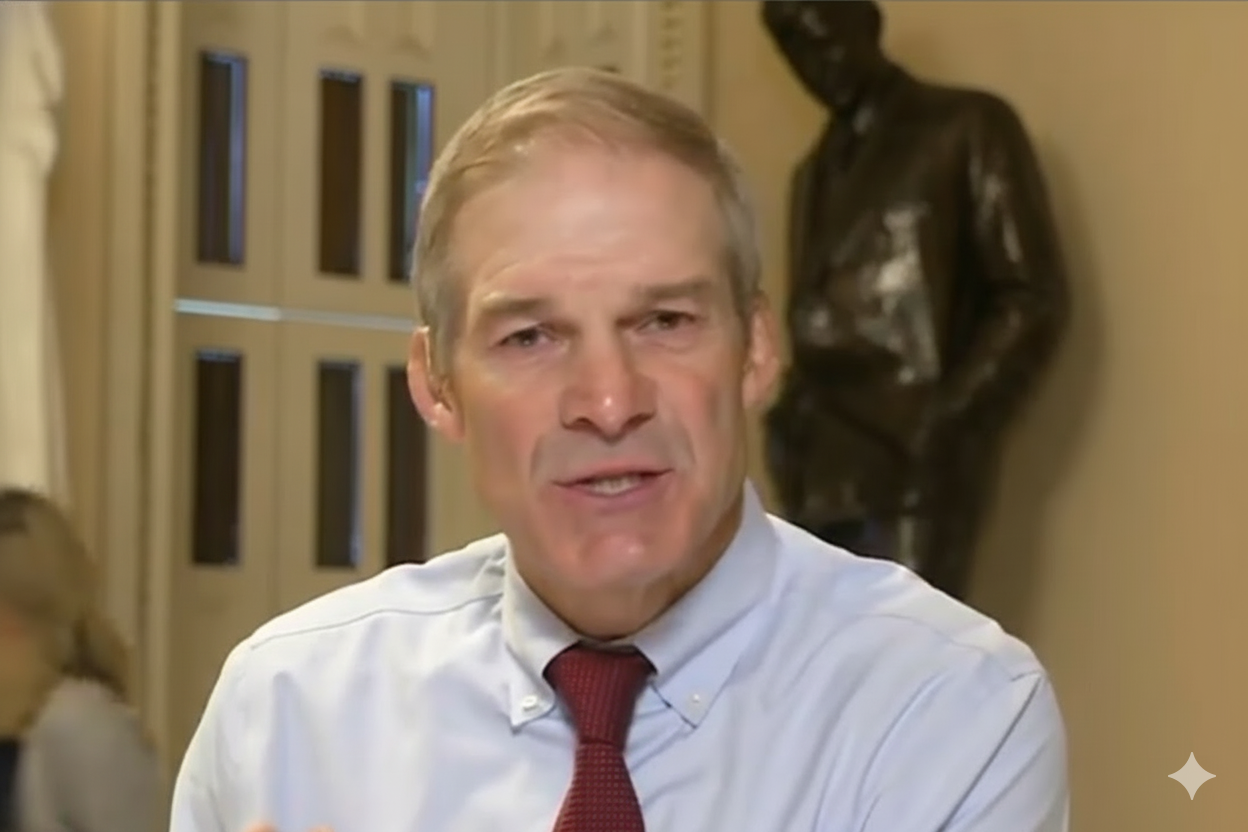
DOJ Subpoenaed Jim Jordan’s Phone Toll Records in 2022 as Part of Arctic Frost Probe
The Department of Justice secretly subpoenaed House Judiciary Chairman Jim Jordan’s phone toll records in 2022, seeking metadata dating back to Jan. 1, 2020, as part of the “Arctic Frost” inquiry tied to the January 6 probe, drawing sharp GOP criticism.
Key takeaways
- Scope: DOJ sought toll records and metadata going back to Jan. 1, 2020, covering more than two years and naming additional redacted phone numbers.
- Process: Verizon complied and produced records; a D.C. magistrate judge signed a one-year gag order tied to the subpoena.
- Context: The request was part of the Arctic Frost investigation related to the January 6 probe and later special counsel work.
- Reaction: Republicans allege separation-of-powers and speech-or-debate concerns; DOJ and Special Counsel Jack Smith defended the subpoenas as proper and narrowly tailored.
What the subpoena sought and why it matters
The subpoena, issued in 2022, asked Jim Jordan’s wireless carrier for toll records — the times, dates and counterparty numbers for calls and texts — not the content of messages or calls. That detail is reflected in public reporting from Fox News and AOL.
DOJ investigators said the records were sought as part of the Arctic Frost investigation into efforts connected to attempts to dispute the 2020 election — a probe that later fed into the January 6 matters and special counsel Jack Smith’s cases. Reporting described the subpoena as among the most expansive publicly disclosed requests for lawmakers’ communications in that probe (Fox News).
Legal and procedural details
Public reporting states a federal prosecutor signed the subpoena in 2022 who later joined Jack Smith’s January 6 team; Smith was not yet special counsel at the time and assumed that role roughly seven months later, according to published accounts (Fox News).
Verizon, Jordan’s carrier, complied with the order and produced toll records to DOJ. The subpoena also included a one-year gag order signed by a D.C. magistrate judge, which delayed public awareness until portions of the documents were later disclosed (Fox News).
How lawmakers and DOJ responded
Republican reaction: Lawmakers, led by Chairman Jordan, immediately condemned the subpoena. They argued it crossed a constitutional line by seeking members’ phone records and raised concerns about the speech or debate clause and congressional independence. GOP critics warn metadata collection could allow the executive branch to trace oversight contacts and chill legislative activity (Fox News).
Jack Smith has defended the subpoenas, calling those tied to the January 6 investigation “entirely proper” and “narrowly tailored,” and DOJ officials emphasized the requests targeted toll records and related metadata, not the content of communications.
Other lawmakers affected
The Jordan subpoena was not isolated. Reporting shows toll records for other House and Senate Republicans were sought as part of Arctic Frost, including former Speaker Kevin McCarthy and at least 10 Republican senators such as Lindsey Graham, Marsha Blackburn, Ted Cruz and Ron Johnson. That broader pattern on Capitol Hill has intensified concerns about DOJ’s investigatory reach into congressional communications (Fox News).
Telecom cooperation and congressional oversight
Verizon said it cooperated with both House and Senate committees when contacted and pledged transparency. The carrier also stated it informed Jordan when it located paperwork related to the subpoenas, according to reporting (Fox News).
In response to disclosures, Jordan and other Republicans sought records from telecommunications companies about how they handled DOJ requests tied to the January 6 probe. Jordan asked firms for materials related to the probe as part of ongoing congressional oversight into the special counsel’s office and DOJ investigators (Politico).
Why metadata can still be sensitive
Although toll records do not include the substance of calls or messages, metadata can reveal who a lawmaker contacted, when and how often. Privacy experts and investigators note that metadata can be used to map relationships and timelines — information critics say could chill legislative activity if broadly used against members of Congress. Supporters counter that targeted metadata collection is a standard, lawful tool in criminal investigations (Fox News).
Implications for the United States
- Legal and constitutional stakes: The episode raises questions about separation of powers and whether additional safeguards are needed to protect the speech-or-debate clause while permitting criminal probes to proceed (Fox News).
- Political consequences: The disclosures are likely to fuel partisan oversight battles between a GOP-led House and the DOJ, and Republicans may press for investigations into DOJ practices and telecom transparency (Politico).
- Public trust: The matter touches on trust in institutions and law enforcement; critics see potential for politicized investigative tactics, while advocates stress the need for rigorous probes to enforce the law.
- Practical oversight changes: Telecoms may face pressure to improve notification procedures when subpoenas concern lawmakers, and Congress could pursue legislation to limit gag orders or require faster notices to affected members (Fox News; Politico).
- Ongoing investigations: Because the subpoena was part of Arctic Frost and the broader January 6 probe, related records could still inform active cases or congressional inquiries.
Public disclosure and reporting
Full details became public after news organizations obtained copies of the subpoena and related filings. Fox News Digital published what it said was a copy of the subpoena, and coverage was amplified across outlets and television reporting. Video coverage referenced in reporting is available on YouTube.
Sources
- Fox News Digital, “Biden DOJ subpoenaed Jim Jordan’s phone records covering more than two years.”
- YouTube coverage referenced in reporting.
- AOL News, coverage of the subpoena.
- Politico, reporting on Jordan’s requests to telecom companies.



