FAA air traffic reductions deepen US airport disruptions as Senate advances bipartisan deal to end shutdown
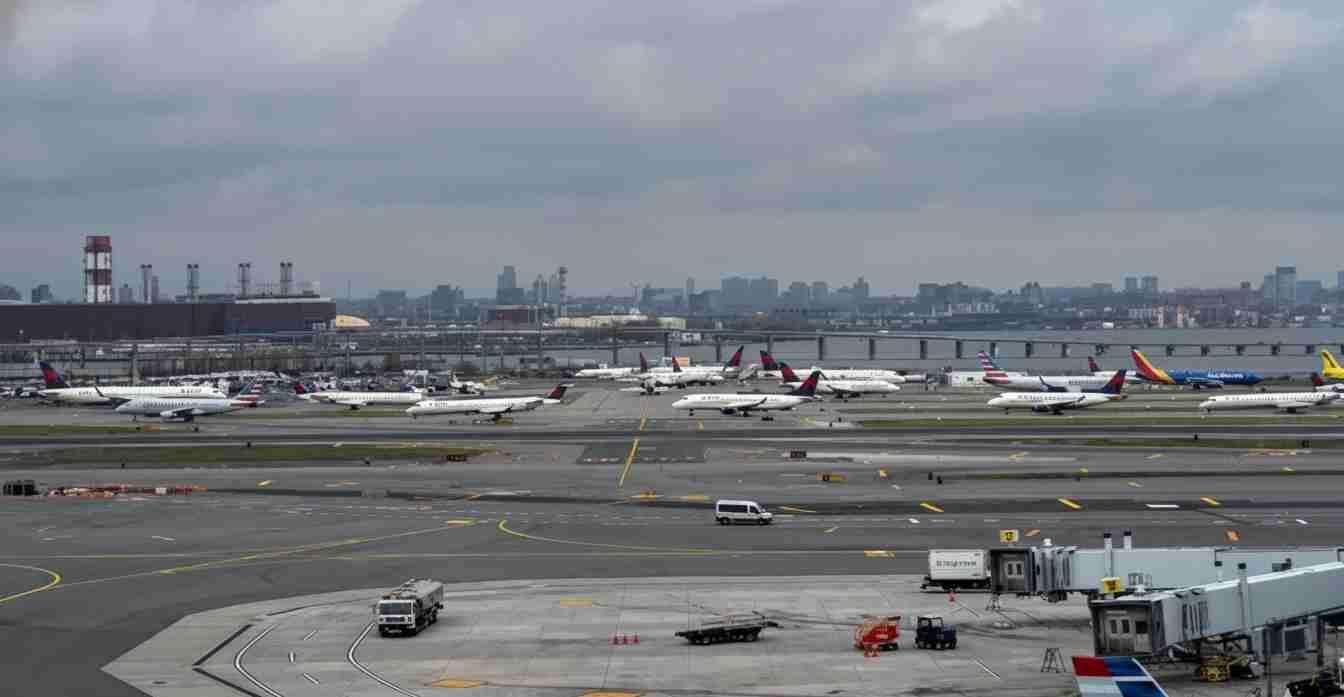
FAA-mandated air traffic reductions during a prolonged government shutdown are disrupting operations at 40 of the busiest U.S. airports, reducing flights—especially in regional and smaller markets—as the Senate advances a bipartisan deal to end the shutdown.
- Phased cuts: Airlines must implement staged reductions to match controller availability, peaking at 10% unless changed by the FAA.
- Regional pain: Mainline, high‑revenue routes are generally protected while regional and smaller‑market flights face the largest cuts.
- Safety and staffing: The action responds to controller staffing shortages tied to the federal pay pause during the shutdown.
- Possible reprieve: The Senate’s bipartisan funding package could restore pay and allow the FAA to rescind reductions if enacted.
FAA order and phased reductions
On Nov. 6 the agency issued an emergency directive requiring airlines to shrink scheduled operations at the 40 busiest U.S. airports to match on‑duty, paid controller staffing. The full directive is available as the FAA emergency order.
The reductions are phased: 4% by Nov. 7; 6% by Nov. 11; 8% by Nov. 13; and 10% by Nov. 14 and thereafter unless the FAA revises the plan. The FAA retains authority to reject or modify airline proposals that would disproportionately harm smaller communities (see the FAA document).
“The move is framed as a safety measure to align traffic with available, paid controllers,” the FAA said in its emergency action.
Who bears the brunt: regional markets, smaller communities
Carriers decide where to cut, which typically means protecting profitable mainline routes and trimming regional connections. That leaves many smaller airports with fewer daily options or no same‑day service to major hubs, creating possible travel and economic disruptions.
Consequences include: stranded business travelers, reduced weekend leisure options, tighter cargo connections for time‑sensitive shipments, and fuller remaining flights that increase rebooking and delay risk.
Operational details and protections for carriers
To prevent longer‑term scheduling harm, the FAA said unused slots during the reduction period will be treated as “used” for historic slot rights, protecting carriers’ future scheduling priorities. Airlines must also submit daily updates so the FAA can monitor impacts and reject plans that unfairly burden smaller markets (see the FAA order).
The order applies only to domestic commercial flights; international routes are not covered. The FAA also temporarily limited commercial space launches during this period to reduce controller workload and complexity.
Airlines’ responses and passenger impacts
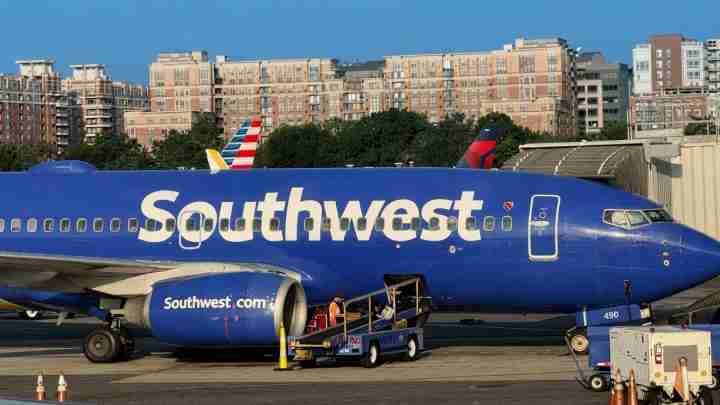
Major carriers issued customer advisories and posted lists of canceled flights while they complied with the FAA directive. American Airlines and others have published updates identifying specific cuts and consolidated services.
Passengers should expect fewer choices, longer layovers, increased rerouting, and higher load factors on remaining flights. Business travelers who rely on multiple daily frequencies for same‑day returns will be particularly affected.
Why this is happening: staffing and safety
The reductions are a direct response to air traffic controller staffing shortfalls tied to the federal pay pause during the shutdown. Many controllers are working without pay; the FAA says limiting traffic is necessary to prevent dangerously thin staffing levels that could degrade safety.
Political backdrop: Senate action and criticism between leaders
The Senate has advanced a bipartisan funding package that could end the shutdown and restore pay, which in turn could ease staffing pressures. Reporting on the operational effects and political context is available from reporting.
The shutdown has also prompted public disputes among officials. Transportation leaders have exchanged sharp criticism over accountability and messaging as the situation unfolds.
Uncertainties and FAA oversight
The FAA’s order leaves open how long reduced schedules will last. The agency can reject reduction plans that would disproportionately harm smaller communities and may change the directive as staffing conditions evolve. Continued shutdown conditions could sustain or expand limits; legislative action could reverse them.
Implications for United States
Economic impact
Local economies—especially in small and mid‑sized communities—face losses in hotel stays, meetings, retail and time‑sensitive cargo throughput. Capacity reallocations may favor larger hubs, pressuring regional carriers and jobs tied to thinner routes.
Political consequences
The situation sharpens focus on fiscal management and federal responsibility, particularly for moderate conservative voters. Lawmakers face pressure to resolve funding gaps quickly to restore services and limit economic harm in affected districts.
Social effects
Travelers will face more disruptions, longer travel times and fewer same‑day options. Rural residents dependent on air links to major medical centers or family may encounter serious practical hardships.
Cultural relevance
Curtailments underscore how federal operations and budget decisions ripple into daily life—from weekend trips to critical business connections—and highlight the role of federal employees, like air traffic controllers, working without pay.
Practical applications for residents
Passengers should check airline notices frequently, confirm plans directly with carriers, consider alternative airports or dates, and plan for longer lead times. Businesses may need to adjust meetings, rely on video conferencing, and anticipate limited rebooking options for smaller communities.
Reporting and next steps
The FAA order and phased rollout are posted by the agency as the FAA order. Further operational reporting and political context are available from reporting, and carriers’ customer updates—such as American Airlines advisories—are posted on airline sites.
As the Senate advances a bipartisan funding package, travelers and businesses will watch whether lawmakers finalize appropriations that restore pay and allow the FAA to rescind the reductions. The FAA will continue monitoring staffing, safety and airline compliance while the nation awaits political resolution.