
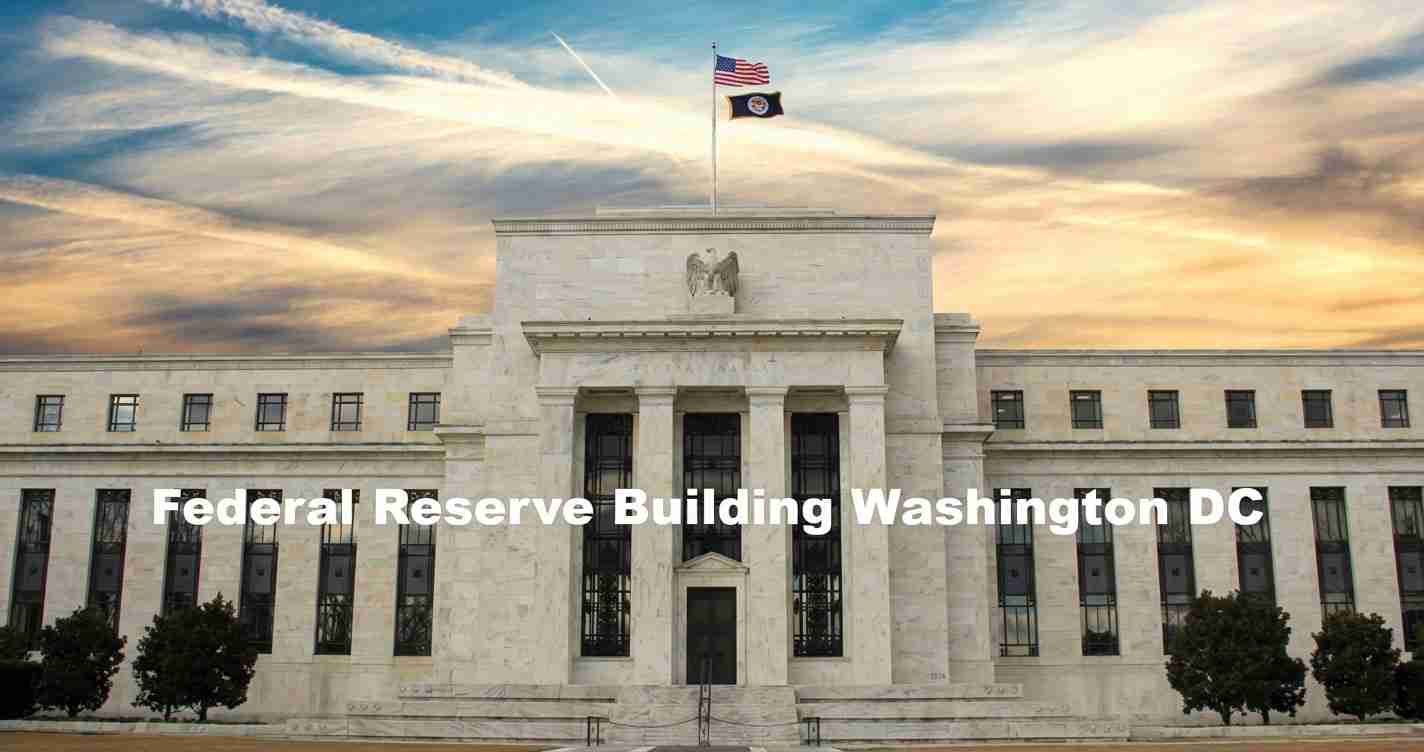
Fed Rate Decision January 2026: Fed Holds Federal Funds Rate at 3.5%–3.75%, Pausing Cuts as Inflation and Jobs Data Tilt Uncertain
The Federal Reserve’s FOMC voted 10-2 on Jan. 28, 2026, to hold the federal funds rate at 3.5%–3.75%, pausing after three cuts amid elevated inflation and a cooling labor market that leave future policy highly data dependent.
Key takeaways
- Vote: The FOMC voted 10–2 on Jan. 27–28 to keep the funds rate at 3.5%–3.75%; see the FOMC press release for details.
- Inflation: PCE inflation ran about 2.9% year over year through December 2025, above the Fed’s 2% goal (coverage from Fox Business).
- Labor market: Job gains have slowed and unemployment has stabilized, increasing uncertainty about wage and spending trends (reporting by LiveNowFox and Fox Business).
- Market view: Traders priced a high probability of no change at the March meeting; some economists still expect cuts later in 2026 (market pricing at Trading Economics).
Main content
What the Fed said and why
Fed Chair Jerome Powell and the FOMC framed the action as data dependent. In the statement the committee said it will assess incoming information on the economy and risks to the outlook while committing to maximum employment and 2% inflation (see the full statement).
Policymakers highlighted two central concerns: inflation remains above target (PCE ≈ 2.9% y/y through December 2025) and the labor market is showing signs of cooling, with job growth slowing and unemployment stabilizing. Those mixed signals reduced confidence that inflation is on a sustained path to 2%.
Tariffs and temporary price effects
Officials noted that tariffs contributed to higher goods prices last year. Powell and the statement said tariff-driven price effects should peak and then decline if no new tariff hikes are imposed, implying some inflation pressures could be transitory; nonetheless the Fed will wait for clearer disinflation before resuming cuts (coverage by Fox Business).
Voting split and dissenting views
The FOMC vote was 10 in favor, 2 opposed. Governors Stephen Miran and Christopher Waller dissented, preferring 25 basis-point cuts at the January meeting. Their votes reflect an internal debate between officials who see a path to lower inflation and those who want to guard against reacceleration of price growth (reporting: Fox Business).
Market reaction and outlook
Markets interpreted the decision as a pause, not the start of tightening. Traders raised the odds of no change at the March 17–18 meeting while many still expect cuts later—perhaps mid‑2026—if data improve (Trading Economics; reporting: LiveNowFox, Fox Business).
Market strategists described the Fed stance as “patient” or “wait-and-see.” Morgan Stanley’s Ellen Zentner called it a cautious pause; Allianz’s Charlie Ripley said policy looks near neutral given recent growth.
Broader economic context
Despite the pause, the U.S. economy has continued to expand at a moderate pace, with GDP roughly in the mid‑2% annualized range, though quarterly swings have occurred. Lower borrowing costs from cuts late in 2025 support housing and auto lending and leave consumers/businesses with some of the lowest borrowing rates since 2022 (reporting: Fox Business; market data: Trading Economics).
Political and legal backdrop
The Fed’s decision comes amid heightened political pressure. The White House has pushed for more aggressive cuts, and President Trump publicly criticized Powell’s pace of easing. Powell’s term expires in May 2026 and no successor has been named, adding political uncertainty to the Fed’s independence narrative (coverage: LiveNowFox; Fox Business).
The Fed also faces legal and oversight pressures: the Justice Department has issued subpoenas tied to roughly $2.5 billion in renovation projects and related governance matters (reporting: LiveNowFox); separate litigation regarding removal of a governor reached the Supreme Court, with reporting suggesting oral arguments leaned toward allowing the governor to remain (coverage: Fox Business).
What this means for borrowing and spending
Borrowers: Lower rates from three 25‑bp cuts in 2025 make mortgages, auto loans and credit more affordable relative to 2022; that supports housing activity if consumer confidence holds (LiveNowFox).
Households: Elevated inflation erodes real paychecks and savings; if PCE only slowly drifts to 2%, many households may feel continued budget pressure even with lower nominal rates (Fox Business).
FOMC calendar and what to watch next
The Fed’s 2026 meeting schedule includes March 17–18, April 28–29, June 16–17, July 28–29, September 15–16, October 27–28 and December 8–9. Key data ahead of those meetings: monthly employment reports, monthly PCE and CPI readings, and wage-growth indicators. Markets and economists will watch whether inflation falls toward 2% and whether job growth slows further (schedule reporting: LiveNowFox).
Implications for United States
Economic: Holding rates at 3.5%–3.75% keeps borrowing costs moderate; cuts last year already eased pressure on mortgages and business loans, supporting credit markets—but elevated PCE (~2.9%) erodes purchasing power (sources: FOMC press release; Fox Business).
Political: The split vote and public pressure underscore political risks to central-bank independence. With Powell’s term ending in May 2026, nomination and oversight debates could intensify, affecting market confidence (reporting: LiveNowFox).
Social: Slower job gains could make the labor market tougher for some workers; lower borrowing costs may help first-time buyers but inflation’s effect on essentials can strain lower- and middle-income households.
Practical advice: Households should monitor jobs and inflation data before major borrowing decisions; those seeking mortgages or car loans may find competitive rates but should weigh inflation’s impact and consider locking rates if stability matters. Businesses should plan for gradual easing but keep contingency plans if inflation stays above 2% (sources: FOMC press release; LiveNowFox).
Reporting and sources
- FOMC press release and statement: FOMC press release and statement
- News and analysis: LiveNowFox
- Market and economic reporting: Fox Business
- Interest-rate data and market pricing: Trading Economics



