
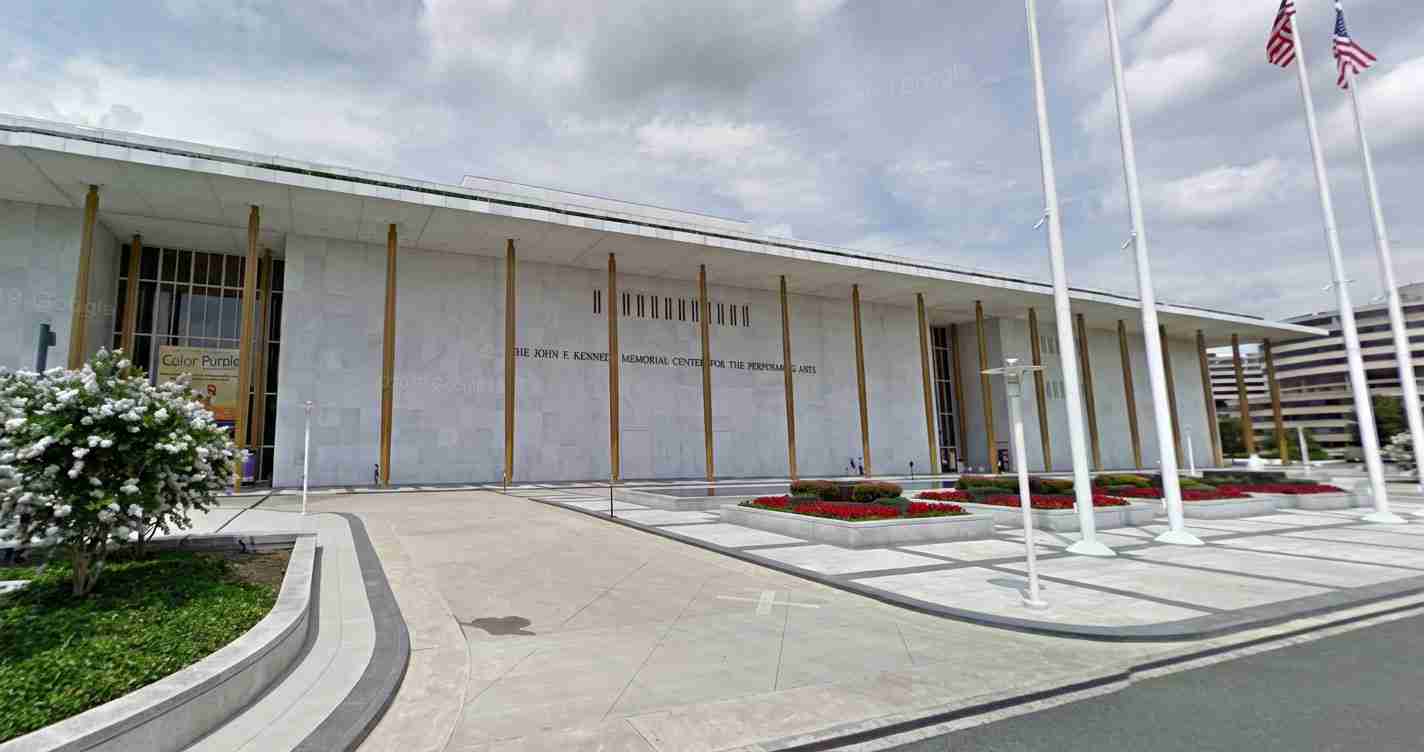
Federal judge orders Trump’s name removed from Kennedy Center, blocks planned two‑year shutdown
U.S. District Judge Christopher R. Cooper ruled the Kennedy Center Board exceeded its authority by adding Donald Trump’s name, ordering the removal of ‘Trump’ branding within two weeks and blocking a planned two‑year shutdown for renovations pending further legal action.
- Judge found the Board exceeded its authority, saying only Congress can change the Center’s statutory name — reporting: Axios, Los Angeles Times.
- Immediate orders: remove “Trump” from exterior and interior signage and stop using the “Trump Kennedy Center” name in official materials within two weeks — Axios.
- Planned two‑year closure halted while the legal dispute proceeds; the $257 million congressional appropriation remains authorized but its use may face limits — Los Angeles Times.
- The suit was filed by Rep. Joyce Beatty (D‑Ohio), an ex officio board member, who argued bylaws changes enabled the renaming and closure plan — Axios.
What the judge ordered
In a 94‑page opinion, U.S. District Judge Christopher R. Cooper found the Board of Trustees lacked statutory authority to adopt a Trump nameplate or create a Trump‑era memorial. Cooper emphasized that the institution was named by Congress as the John F. Kennedy Center for the Performing Arts and that only Congress can alter that designation. Reporting and analysis: Axios, Los Angeles Times.
The order directs removal of “Trump” branding from both exterior and interior signage and requires the Board and administration to stop using “Trump Kennedy Center” in official materials within two weeks. The court also enjoined the planned two‑year closure for renovations under the current plan while the legal dispute continues. (Relief remains subject to appeals.)
Legal reasoning: the statute and congressional control
Judge Cooper’s decision rests on statutory interpretation. He reviewed the Kennedy Center’s organic statute and legislative history and concluded Congress intended the site specifically as a memorial to President John F. Kennedy. Cooper wrote that the statute leaves little room for unilateral board action to change the formal name or add memorial designations.
“Congress gave the Kennedy Center its name, and only Congress can change it.”
That statutory boundary, Cooper held, barred the Board from adopting a formal Trump‑related name. Legal background and reporting: Los Angeles Times.
The lawsuit and how it reached the court
Rep. Joyce Beatty (D‑Ohio), an ex officio member of the Kennedy Center Board, filed suit in December. Beatty alleged that 2025 bylaw changes impaired certain board members’ voting rights and facilitated the renaming and closure plan. Her amended complaint sought emergency relief to stop the renaming and multi‑year shutdown; the court granted the relief in her favor. Coverage: Axios.
Beatty said the ruling vindicated her claim that the renaming had “no legal foundation.” The judge agreed the Board lacked a legal basis to rebrand the federally created memorial.
Trump, Board and public responses
Former President Trump responded on Truth Social, criticizing Judge Cooper and Democrats, saying he took “great pride” in reshaping what he called a “losing Institution” and threatening to ask Congress to take back responsibility if his plans were blocked. Media reporting: Los Angeles Times.
Roma Daravi, identified in media reports as vice president of public relations for the “Trump Kennedy Center,” said the Board will appeal and stressed the need for “urgent and significant restoration,” noting Congress approved $257 million for the project. The Board vowed to pursue “every lawful avenue.” Reporting: Los Angeles Times.
Renovation, funding and the halted closure
The administration’s plan called for a two‑year closure to execute broad rehabilitation and modernization. Supporters argued major repairs were needed; critics warned the shutdown could “shutter and gut” the institution and objected to unilateral rebranding. Reporting: Axios, Los Angeles Times.
Congress appropriated roughly $257 million for deferred maintenance, security and capital projects via the One Big Beautiful Bill Act. Judge Cooper’s order does not rescind the appropriation, but by blocking the planned closure and the renaming, the ruling could alter how funds are spent until appeals or congressional action clarify next steps.
Prior litigation and differing outcomes
Earlier, a preservation group’s request for a preliminary injunction to block the closure was denied by Judge Cooper on different legal grounds. The Beatty case, focused on statutory and governance claims, produced a contrasting outcome that persuaded the court to grant relief.
What remains uncertain
Key questions remain: the Board has announced it will appeal but no appellate filings are publicly posted; Congress could act to amend the statute or direct the use of funds; and the Center’s operational and performance calendar may be adjusted if the two‑year shutdown cannot proceed. Reporting: Los Angeles Times, Axios.
Judge halts closure and practical next steps
For now, Cooper’s order halts the closure under the current plan and requires removal of Trump branding within two weeks. Practically, crews and administrators will need to remove exterior lettering, change signage and update marketing and printed materials. The decision preserves appeals and potential congressional action, leaving the larger restoration timeline and the use of $257 million subject to change.
Sources and further reporting
Initial reporting and analysis available from: Axios, Los Angeles Times. Video and court coverage: YouTube video, YouTube report, YouTube short.
Implications for the United States
- Legal/institutional: Reaffirms that federally created memorials named by statute remain under congressional control.
- Fiscal/oversight: Lawmakers and watchdogs will likely scrutinize the $257 million appropriation and press for oversight if plans change.
- Cultural/civic: The ruling preserves the John F. Kennedy name as the formal designation of the national memorial.
- Political: Expect debate in the courts and Congress; the dispute could test limits on administrative and board authority over federal cultural sites.
- Practical for the public: Patrons and performers should monitor official notices for schedule and renovation updates as the case progresses.



