
ATLANTA, Aug. 13 (Our Los Angeles) — Flock Safety says it will shorten the default time it keeps vehicle-location data and add new controls for police searches, following criticism over the use of its automated license-plate reader network.
The changes matter in Los Angeles, where the Los Angeles Police Department has paused use of — or declined to renew — its agreement with Flock over concerns about data ownership, privacy, security and information sharing. LAPD operates or operated 138 Flock cameras in the city, according to statements from the department and an inspector general report cited in coverage of the dispute.
LAPD Chief Information Officer Dean Gialamas said the contract was not renewed because of “serious concerns around civil liberties and civil rights issues, particularly around privacy and the data that is being collected from these cameras.”
The department and Flock have reportedly discussed a new agreement that would give LAPD ownership of camera data and related metadata. The proposed terms would also restrict Flock from sharing the information with another entity or using it to train artificial intelligence. The supplied information does not establish whether LAPD has resumed using the cameras or finalized a new agreement.
What Flock is changing
Flock announced Aug. 13 that its default retention period for vehicle-location data would fall from 30 days to seven days. Retention means how long information remains stored and available for later searches.
Flock said agencies could keep data longer for active investigations through a new setting called “Evidence Mode.” Longer retention would also remain subject to state and local policies. The announcement does not establish exactly how the new default will apply in California.
The company also said it would make its Audit Assistance system standard for all law-enforcement customers. The system is designed to identify unusual search activity. Flock said it can lock a user out while an administrator reviews the activity.
Under the new policy, searches would require a stated reason and a case code. Flock said there would be an exception for genuine emergencies, such as searches for missing children.
Local agencies would also be able to decide which categories of offenses outside agencies may use when searching their camera data. Flock said the controls could block searches tied to immigration enforcement.
Why the system is controversial
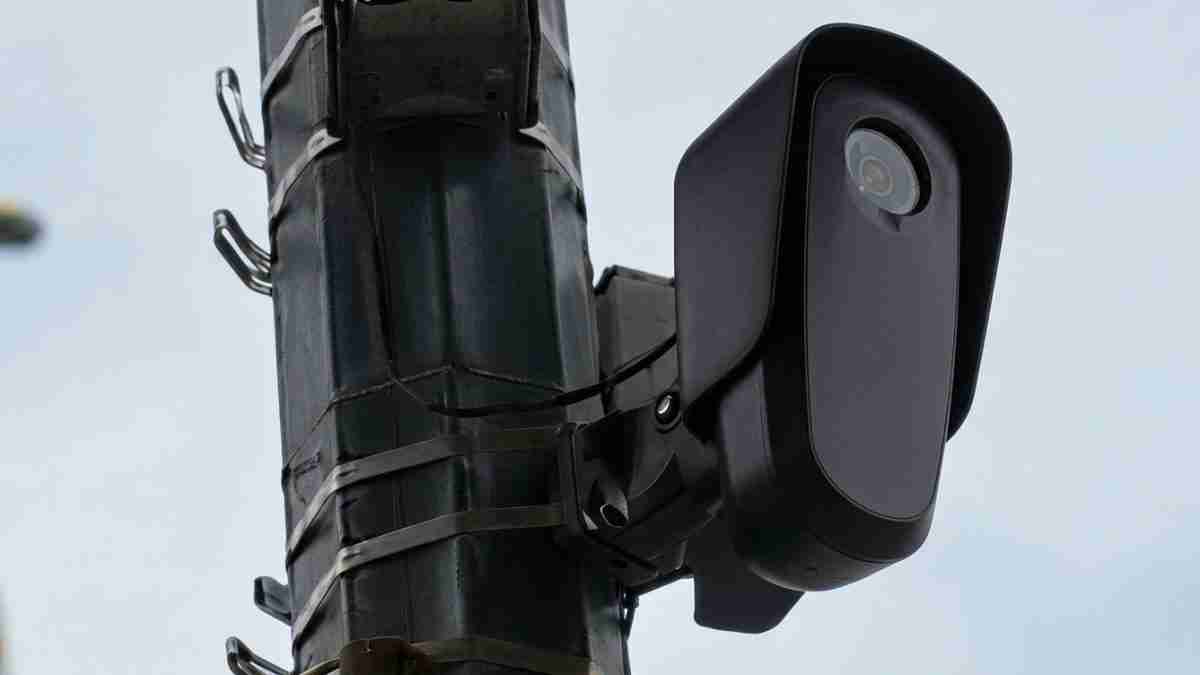
Automated license-plate readers, or ALPRs, photograph passing vehicles and record license-plate information along with the time and location of the sighting. Police can use the records to search for vehicles connected to investigations or to look for patterns of movement.
Civil-liberties advocates say a large network of cameras can create detailed records of where people travel, including people who are not suspected of crimes. The debate also includes who owns the information, how long it is stored, which agencies can search it and whether data can be shared or used to develop artificial-intelligence systems.
The reforms followed reports alleging that officers misused license-plate-reader systems, including searches involving romantic partners. The supplied reporting does not identify the officers or provide the underlying case records, criminal charges or court outcomes.
The American Civil Liberties Union criticized Flock’s announcement, calling the changes “a thinly veiled PR attempt” and saying the safeguards were largely hollow. That is the ACLU’s assessment, not a finding by a court or government agency.
Flock CEO Garrett Langley has defended the company’s approach. In an interview, he said, “The data shouldn’t be monetized.” Flock also said its goal was not to create a dystopian future and that shared data would be deleted except when preserved as evidence, according to the company’s policy explanation.
How Los Angeles fits into the wider dispute
Los Angeles entered a memorandum of understanding with Flock in 2023. The memorandum expired in June 2026, and LAPD paused use or did not renew the arrangement in July. The disagreement has centered on control of information collected by the cameras and the terms governing access to it.
In late May, Los Angeles City Councilmember Ysabel Jurado introduced a motion asking the Board of Police Commissioners not to enter new Flock agreements or pilot programs. The City Council and the police commission are among the local bodies involved in decisions about the department’s surveillance technology.
Other agencies around the country have also ended, canceled or discontinued Flock agreements, according to the supplied reporting. Those actions reflect a broader national debate over police technology, but the information provided does not establish that every agency acted for the same reason or under the same terms.
Flock’s new rules may give departments more control over searches and data retention. They do not, by themselves, settle the central questions facing Los Angeles: who owns the information, who may access it, how sharing is enforced and what happens to data after an agency stops using the service.



