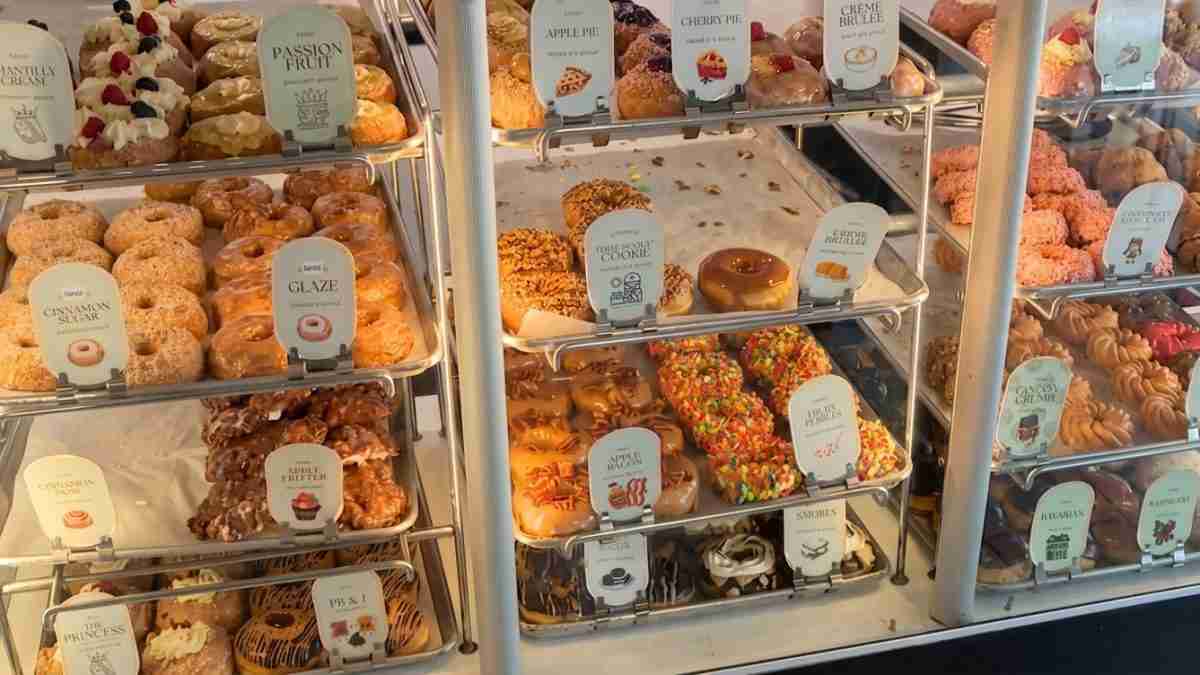
PHOENIX, Aug. 5 (Phoenix Times Online) — When The Local Donut could not make payroll during its worst week of the summer, owner Daniel Tes turned to social media with an unusually direct request: He asked customers, neighbors and God for help.
The response came the next day. Customers filled the Scottsdale shop, while other local businesses prepaid orders for customers as a pay-it-forward gesture. Tes said the surge helped the business make payroll.
The episode shows how a sudden cash-flow crisis can affect a small food business — and how quickly customers can provide support when they act together. It also highlights the limits of that kind of rescue: The available reports do not show how much money the shop raised, how many employees were affected or whether its financial problems have ended.
What happened to the business?
Tes said The Local Donut had faced a difficult summer slow season. He said pressure began building after spring training and that the shop could not catch up as business weakened.
“We felt the pressure after spring training to get things ready for summer, and we just couldn’t catch up,” Tes said. “Last week was probably our worst. We couldn’t make payroll.”
Payroll is the money a business owes its employees for work already performed. Missing payroll can put workers in immediate financial trouble and can also damage a company’s ability to keep operating.
Tes said he had owned The Local Donut for about 10 years when the crisis reached its peak. Employees reportedly begin work around 11 p.m. or midnight to prepare doughnuts for the following day, making payroll a direct part of the shop’s daily operations.
Why did Tes ask the community for help?
Tes said he decided to be open about the problem instead of keeping it private.
“I kind of had to humble myself and ask for help from the community, ask for help from God,” he said.
The shop’s social-media message described the payroll problem as something that had built over several weeks. The exact date and platform of the post were not provided in the available reports.
The appeal was not described as a formal fundraising campaign. Instead, customers supported the business by buying its products, and other local businesses prepaid orders that could be given to customers. That approach sent immediate sales revenue to the shop while also spreading business among members of the local community.
What was the financial effect?
The increased traffic helped Tes make payroll, according to the reported account. But no payroll amount, sales total or accounting records were provided.
That means the episode can establish a short-term cash-flow benefit, not a full financial recovery. The available information does not show whether sales remained strong after the next-day rush, whether the shop’s costs fell, or whether it continued to face a seasonal slowdown.
Tes said the response changed how he viewed the people around his business. “There’s a lot of selfless people out there, a lot of generous people,” he said, adding that he wanted to pay the support forward.
For workers, the immediate issue was whether they would be paid. For customers and neighboring businesses, the response was a way to keep a local shop operating. For Tes, it provided enough short-term relief to cover payroll — but the reports do not identify any longer-term financing, ownership change or formal recovery plan.