Le’Veon Moss retires four days after signing with Miami Dolphins, raising questions about injuries, NIL and the NFL’s changing pipeline
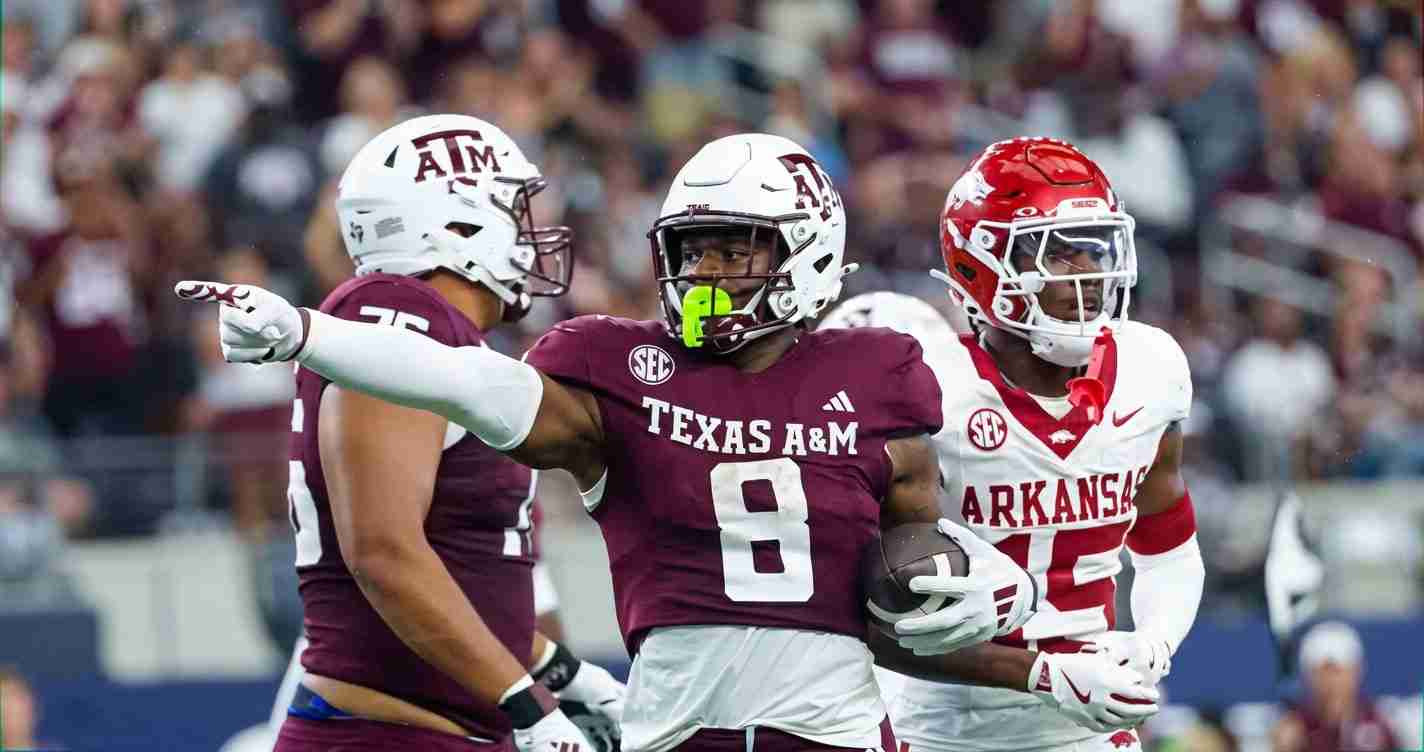
Former Texas A&M running back Le’Veon Moss abruptly retired from the Miami Dolphins on May 12, 2026 — four days after signing as an undrafted free agent — a move widely linked to prior knee injuries and shifting NIL economics.
Key takeaways
- Player: Le’Veon Moss, 23, running back, Texas A&M (2022–2025); signed as an undrafted free agent on May 8, 2026 and placed on the reserve/retired list May 12, 2026.
- Injuries: Reported torn ACL and MCL in 2024 and an ankle injury in 2025, factors widely cited in his sudden retirement.
- Money question: UDFA deal reportedly included $258,000 guaranteed; local reporting indicates he may need to return most or all of those guarantees.
- Bigger issues: The case spotlights how NIL earnings, medical risks and roster economics are reshaping decisions for borderline NFL prospects.
Signing and sudden retirement
Moss signed with the Miami Dolphins as an undrafted rookie free agent on May 8, 2026. Four days later the team placed him on the reserve/retired list on May 12, 2026 — a standard transaction indicating the player has stepped away from pro football. Team communications list the move with no additional explanation.
Source: Miami Dolphins roster/transactions.
College career and injuries
Moss was productive when healthy. Across 32 collegiate games he totaled 1,767 rushing yards on 321 carries (about 5.5 yards per carry) with 22 rushing touchdowns, plus 24 catches for 236 yards. He earned Second‑Team All‑SEC honors in 2024 after a breakout stretch that ended with a season‑ending knee injury.
Reported sources: Miami Dolphins; Heavy.
Injury timeline: Reports describe a torn ACL and MCL in 2024. Moss returned in 2025 but was limited to seven games (about 404 yards and six touchdowns on 77 carries by later season summaries) before suffering an ankle injury against Florida — a combination that raises durability concerns for an incoming NFL running back.
Coverage noting injuries: Heavy.
NFL contract and the money question
Outlets reported Moss’s undrafted free agent deal included $258,000 guaranteed. The Miami Herald (reporter Barry Jackson) indicated Moss may be required to return “most or all” of that guarantee after retiring so quickly. How guaranteed money is handled depends on contract language, negotiation and the specifics of any settlement.
“Teams can seek repayment if a player leaves before playing, but clubs sometimes negotiate settlements or waive repayment depending on circumstances.”
This financial detail has fueled public interest: why step away after securing guarantees? The most direct answer is health; another is that the modern college athlete can sometimes earn meaningful income through NIL arrangements that lower the marginal financial upside of risking further injury.
Reporting and commentary on the money angle: Miami Herald; OutKick; Heavy.
Why Moss likely chose to retire: injuries, NIL and personal calculus
Primary driver — injuries. A torn ACL and MCL are serious, and even after rehab many running backs do not regain prior burst or durability. Back‑to‑back lower‑body injuries can change a player’s life outlook, particularly for an undrafted player facing limited job security.
Secondary factor — NIL. Commentators have suggested that NIL earnings can reduce the financial urgency to pursue an uncertain NFL career, though no outlet has reported Moss confirmed NIL money as his reason. This remains speculative but fits a broader trend noted by analysts.
Finally, retirement often reflects personal calculus — long‑term health concerns, family considerations or a simple decision that the physical cost outweighs the reward. With no public statement from Moss, reporting relies on context and informed inference.
The Dolphins’ roster context and what the team loses
Miami is widely described by analysts as entering a rebuilding phase for 2026. In that setting, undrafted signings are genuine auditions for meaningful roster roles. Moss was expected to compete for a backup role behind De’Von Achane, another former Texas A&M star, and his departure represents a missed chance for depth in an offense seeking playmakers.
Coverage on roster impact: OutKick; Heavy; Miami Dolphins.
Media framing and open questions
Tone varies across outlets: team communications stick to the facts; fan sites focus on roster and local impact; opinion pieces use the moment to explore NIL, medical risk and contract design. Key unknowns remain:
- No public statement from Moss explaining his decision.
- Unreported NIL totals — the exact amount of any NIL earnings is not public.
- Contract outcome unknown — the precise terms and any repayment of guarantees have not been released.
Implications for United States of America
Economic impact
Moss’s decision highlights a growing economic dynamic: for some athletes at major programs, NIL deals can provide meaningful earnings. If more players with earnings choose short pro stops or skip the NFL, teams may need to adjust scouting and contract strategies.
Workforce and labor choices
This episode underscores broader themes about personal choice and weighing risk vs. reward. Players and families are increasingly empowered to prioritize long‑term health and financial security, which could prompt more negotiation over guarantees and contract protections for fringe players.
Health and safety concerns
Moss’s injuries echo long‑standing worries about football’s physical toll. If players with injury histories opt out, it raises questions about medical preparedness, player care and whether college and pro systems adequately protect athletes’ futures.
College sports and policy
Policymakers and athletic institutions may face renewed attention on insurance, athlete protections and transparency in NIL reporting as retirements tied to injuries and financial independence become part of public debate.
Fan and team dynamics
For teams like the Dolphins, sudden departures shift roster planning and fan expectations. In a country where pro football matters culturally and economically, these moves affect local businesses, broadcasts and the broader sports ecosystem.
Sources and further reading
- Miami Dolphins official site (team bio and transactions)
- Heavy (coverage of Moss’s retirement and college history)
- OutKick / Fox commentary on NIL and Moss
- Miami Herald reporting, Barry Jackson
Reporting compiled from team releases and coverage by MiamiDolphins.com, Heavy, OutKick, Fox and the Miami Herald.