Olivier Rioux, 7‑Foot‑9 Sensation, Makes NCAA History in Florida Gators Basketball Debut
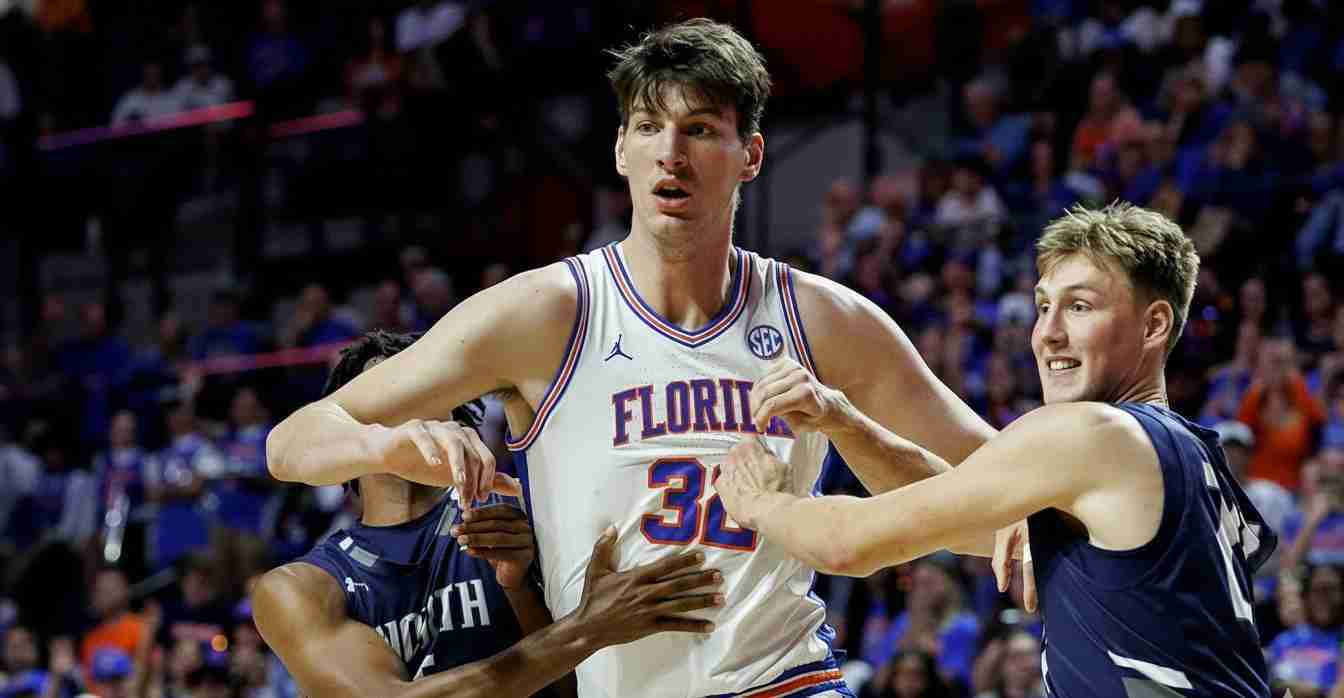
Olivier Rioux, the 7‑foot‑9 Guinness World Record holder for the world’s tallest teenager, made his Florida Gators debut on November 6, 2025, becoming the tallest player ever to appear in an NCAA college basketball game.
- Historic appearance: Rioux (listed at 7 ft 9 in) checked in late on Nov. 6, 2025, becoming the tallest player to play in an NCAA game.
- Debut details: He entered with two minutes remaining in a 104–64 win over North Florida in Gainesville.
- Development plan: Florida redshirted him in 2024–25 to prioritize strength, conditioning and long‑term health.
- Broader impact: The moment spotlights international recruiting, medical oversight for very large athletes, and program revenue and media attention.
Collegiate debut and the moment fans wanted
Two minutes can feel like a lifetime in a packed arena. With the Gators leading comfortably, the crowd at the O’Connell Center chanted “We want Ollie.” Coaches cleared the bench and, when Olivier Rioux checked in, the ovation was immediate — a mix of curiosity, joy and the sense of witnessing a rare sports milestone. His entrance was brief and largely ceremonial in a 104–64 victory over North Florida on November 6, 2025, but it carried outsized significance: at 7 ft 9 in he is now the tallest player to appear in an NCAA college basketball game (sources: Florida Gators roster; ESPN; Wikipedia).
Background and development path
Born in Terrebonne, Quebec, Rioux grew up in a notably tall athletic family (father 6 ft 8 in, mother 6 ft 1 in, older brother 6 ft 9 in). He began playing basketball at age five and drew attention early — by 12 he measured 6 ft 10 in. In 2021 Guinness World Records recognized him as the tallest teenager after measuring him at 7 ft 5 in.
Before arriving in Gainesville, Rioux trained with elite programs including Real Madrid’s youth ranks and IMG Academy, and he represented Canada in multiple FIBA youth tournaments. Florida’s staff redshirted him for the 2024–25 season to focus on strength, conditioning and mobility — a measured development strategy designed to protect long‑term health and maximize future contribution on the court (source: Florida Gators roster).
International experience and on‑court profile
At youth international events Rioux showed promising traits for a player his size. At the 2021 FIBA U16 Americas Championship he averaged 8.3 points and 10.3 rebounds per game en route to a bronze medal. Later tournaments — the 2022 U17 World Cup and the 2023 U19 World Cup — produced more modest numbers against stiffer competition, and he again helped secure a bronze at the 2024 FIBA U18 AmeriCup.
Those lines suggest a player with rebounding instincts and touch but still undergoing physical and tactical development. The Gators’ approach — patient minutes, targeted strength work and monitored practice loads — reflects best practices for integrating an unusually large freshman into Division I play.
Health, safety and development considerations
Players of extreme height face unique medical and conditioning challenges, from joint stress to mobility limits. Florida’s redshirt decision and careful exposure plan underscore a priority on medical oversight and incremental progress. Experts warn against rushing heavily tall athletes into extended minutes while their musculoskeletal systems adapt; the Gators have emphasized a long‑term view over short‑term spectacle (source: Florida Gators roster).
Fan reaction, media interest and program impact
Rioux’s debut energized the Gainesville fan base and generated national attention. The chant of “We want Ollie” became a viral moment, increasing media coverage and recruiting buzz. That visibility can boost ticket sales, merchandise and local business on game days, but it also elevates expectations and external scrutiny the program must manage.
Florida’s staff will need to balance fan interest with realistic timelines and clear communication about Rioux’s development path, signaling that his role is being built carefully rather than rushed for short‑term gain.
Rules and records: Tallest NCAA player
Rioux’s official appearance settled the record question: at 7 ft 9 in, he is now the tallest player to ever play in an NCAA college basketball game. While largely symbolic, that distinction will follow his career and the program’s narrative, inviting historical comparisons and ongoing media interest (sources: ESPN; Wikipedia).
Academic and off‑court life
Off the court Rioux is described as grounded. He chose the No. 32 jersey in homage to Magic Johnson and Shaquille O’Neal, lists hobbies like drawing and enjoying poutine, and cites favorite players such as Giannis Antetokounmpo and Boban Marjanovic. The Gators will also emphasize academic progress as part of his collegiate plan.
Why this matters nationally
Rioux’s debut highlights trends in international recruiting, NIL-era visibility, and the resource demands programs face when developing unusual physical talents. Universities may invest more in medical, training and staffing resources to support very large athletes — balancing competitive upside against athlete welfare and long‑term outcomes.
Source attribution and where to learn more
The facts in this report draw from official and public profiles:
Implications for United States
Economic and programmatic impact: Rioux’s presence is likely to boost attendance, local commerce on game days, and media attention for Florida. For other schools, his profile reinforces the value of international scouting and investment in specialized training resources.
Recruiting trends: His pathway underscores the global reach of college recruiting and may encourage programs to adapt budgets and staffing to support very large international recruits.
Health and oversight: Rioux’s case underscores the need for medical oversight and cautious playing time decisions, and may prompt broader conversations about how institutions balance public demand with athlete welfare.
Updates
This article will be updated as Rioux’s playing time, on‑court contributions and public statements evolve and as Florida provides further details on his role and development plan (sources: Florida Gators roster; ESPN; Wikipedia).
“We want Ollie.” — the chant that encapsulated a brief but historic moment at the O’Connell Center.