
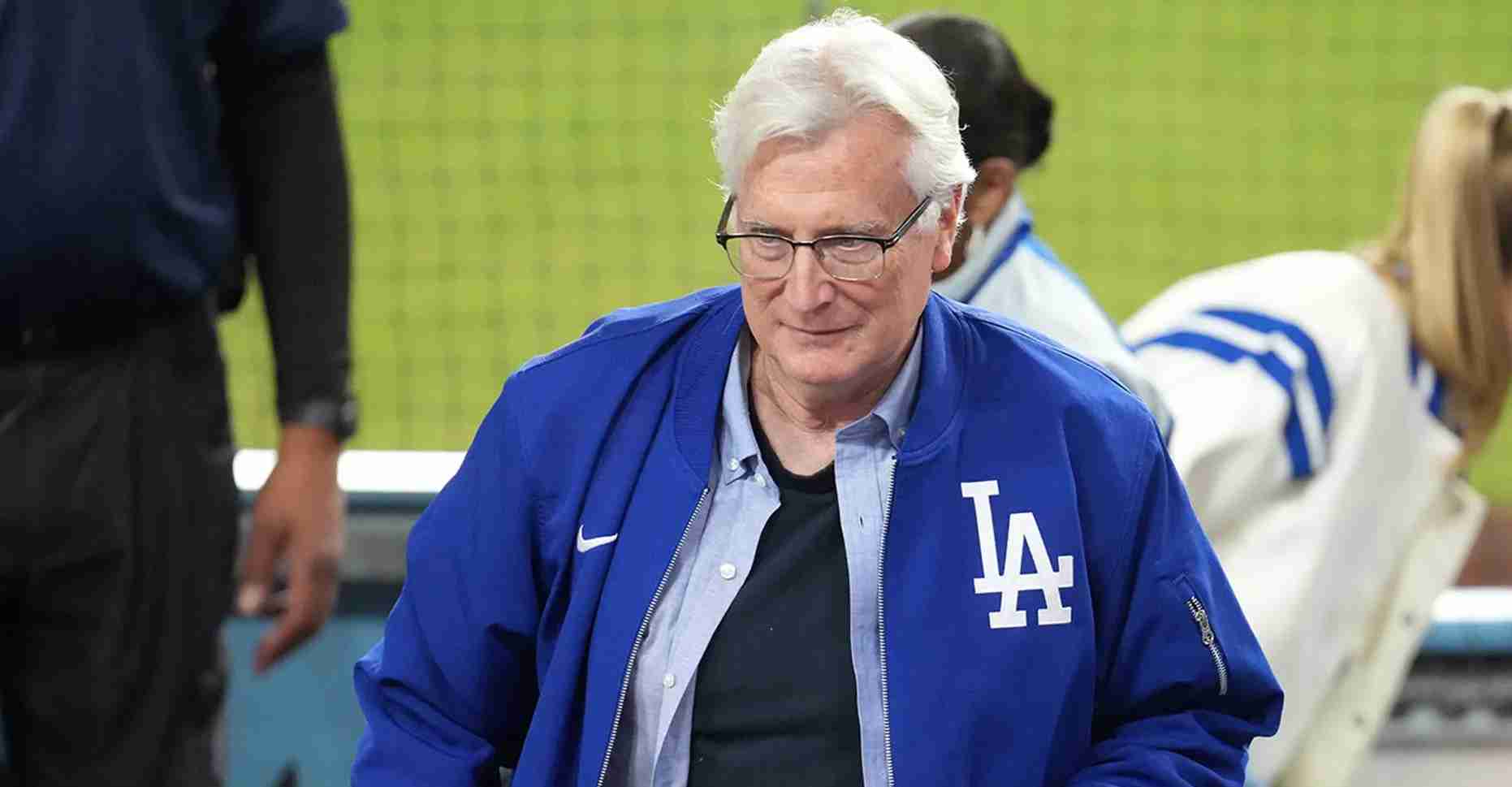
Mark Walter Becomes Lakers’ Majority Owner in Record $10 Billion Sale, Jeanie Buss to Remain Team Governor
Mark Walter has completed a record-breaking purchase of the Los Angeles Lakers, finalized in June 2025 after NBA approval, valuing the franchise at $10 billion. Jeanie Buss retains roughly 15% and will remain team governor.
- Buyer: Mark Walter, chairman of TWG Global and current Dodgers principal owner.
- Price & timing: Deal values the Lakers at $10 billion, finalized in June 2025 after NBA Board of Governors approval.
- Ownership split: Walter’s investor group controls about 85%; Jeanie Buss retains roughly 15% and remains team governor.
- Historical note: The sale ends nearly five decades of majority control by the Buss family (Jerry Buss purchased the team in 1979).
Background and what changed
Mark Walter first bought a minority stake in the Lakers in 2021, acquiring roughly 27% alongside Dodgers co-owner Todd Boehly; that ownership gave him influence but not majority control. The June 2025 transaction transfers majority control from the Buss family to Walter and his investor group, led by TWG Global.
Front Office Sports reported that Walter’s buy-in includes partners such as Todd Boehly, though precise internal splits within the 85% stake have not been publicly disclosed. The Lakers’ official site posted a statement announcing the acquisition and a commitment to organizational stability (Lakers.com).
Why the sale matters now
The $10 billion valuation is the largest recorded for an American sports franchise and tops recent high-profile deals — for example, the Boston Celtics’ sale earlier in 2025 for about $6.1 billion. The price reflects strong investor confidence in the Lakers’ global brand and multiple revenue streams (ticketing, broadcast rights, sponsorships, merchandising and international exposure).
What Walter and the team say
Walter praised the Lakers as “one of the most iconic franchises in all of sports,” expressing intent to preserve the team’s legacy while supporting on-court success and community programs (Patch; Times of India).
“We plan to preserve the team’s legacy while supporting on-court success and community programs.” — Mark Walter (organization statement)
Jeanie Buss will remain the team governor, responsible for day-to-day basketball operations and public leadership, keeping ownership above the NBA’s minimum governor threshold.
Ownership details and public transparency
Public filings and statements confirm Mark Walter’s leadership role via TWG Global, but they do not disclose every investor or the complete division of the 85% stake. Reporting notes that partners are involved and that the exact internal allocation has not been made public (Front Office Sports).
Observers stress the need for clear disclosures about governance, investor roles, and long-term investment goals, since transparency will affect fans, regulators and local stakeholders.
Historic turning point for the Buss family
The transfer of majority control ends a defining era: Jerry Buss purchased the team in 1979 and, under the Buss family, the Lakers became a global brand centered on championships and star players. Jeanie Buss’ continued role as governor is intended to provide continuity and respect for that history.
Financial and market context
Rising media rights, international expansion and new commercial channels have driven sports valuations upward. The Lakers’ record price will influence league benchmarks and may accelerate demand from investor groups chasing stakes in top franchises.
But high valuations create pressure: owners must balance expectations for competitive teams with returns on investment, affecting decisions on player payroll, facilities and fan experience.
Implications for the United States
Economic impact: A $10 billion sale underscores investor confidence in U.S. sports assets and can ripple through broadcast negotiations, sponsorship pricing, and local businesses around arenas.
Political and regulatory angle: Concentrated private wealth in sports ownership raises questions on public support for stadium projects, tax incentives and municipal negotiations. The NBA’s approval role underscores the league’s gatekeeper function in ownership vetting.
Social and community effects: New ownership could bring fresh investment in community programs and youth sports; Jeanie Buss’ ongoing presence may help preserve existing initiatives.
h3 class=”wp-block-heading” id=”h-fans-league”>Practical effects for fans and the league
Fans likely will not see immediate operational changes, but long-term priorities—player spending, facilities upgrades, and marketing—could shift under the new ownership. League-wide, the sale sets a higher benchmark for franchise values and could spur consolidation among investor groups.
Reporting and transparency to watch
Journalists and the public will monitor disclosures about the ownership structure, how the 85% stake is divided, the role of partners such as Todd Boehly, and commitments to community and competitive investment priorities. Clear communication will matter to fans, regulators and local partners.
Sources and further reading
- Mark Walter — Wikipedia
- Dodgers owner finalizes record-breaking purchase of Lakers — Patch
- Mark Walter acquires majority stake in Lakers — Lakers.com
- Mark Walter’s Lakers buy includes Dodgers co-owner Todd Boehly — Front Office Sports
- Los Angeles Dodgers owner Mark Walter seals $10 billion Lakers takeover — Times of India



