
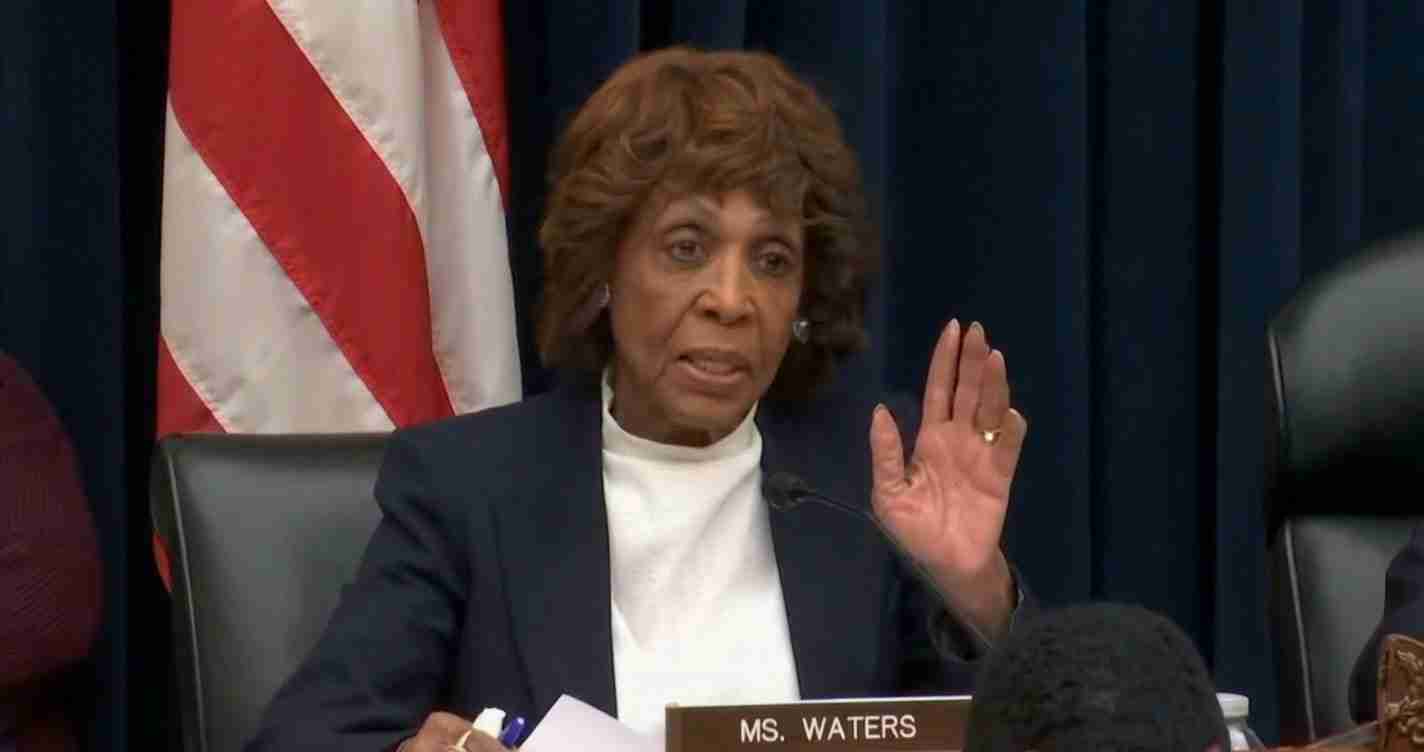
Waters and Bessent Clash Over Trump Tariffs, Inflation and Housing Affordability in Heated House Hearing
Rep. Maxine Waters and Treasury Secretary Scott Bessent clashed at a February 4, 2026, House Financial Services Committee hearing over President Trump’s tariffs, inflation and housing affordability — a heated exchange that drew national attention.
- Direct confrontation: Waters demanded clear yes/no answers about whether Bessent would urge the president to end tariff policies she called harmful to consumers and housing.
- Policy dispute: Bessent argued tariffs are a modest share of GDP and not the main driver of headline inflation; Waters cited specific price effects on goods and homebuilding.
- High drama: The exchange escalated into interruptions and a memorable rebuke — “Can you shut him up?” — captured on committee video.
- Legal stakes: The hearing occurred as the Supreme Court prepares to rule on whether some 2025 tariffs exceeded presidential authority.
What happened in the hearing
Ranking Member Rep. Maxine Waters pressed Treasury Secretary Scott Bessent repeatedly for a simple yes-or-no pledge that he would be “the voice of reason” and urge President Trump to end tariff policies she called a “war on American consumers.” Waters insisted he did not need to explain — only to answer directly.
Bessent, in reply, cited broader drivers of housing stress — including immigration, labor and population pressures — prompting a sharp rebuke from Waters and interruptions from the committee. The moment when Waters asked,
“Can you shut him up?”
was replayed widely in coverage and committee footage.
Coverage and excerpts of the session were reported by Fox News and Fortune, and video is available in the committee footage on YouTube.
Waters’ line of questioning and claims
Waters catalogued tariffs on items including coffee, bananas, lumber, steel and appliances and argued those duties raise prices for consumers and builders. She linked these price effects to a slowdown in homebuilding, asserting that policy choices translated into “half a million” fewer homes built — a focal point of her criticism in committee testimony and in subsequent reporting by Fortune.
Bessent’s defense and past statements
Bessent countered that, based on long-term historical data and regional Federal Reserve research, tariffs constitute a relatively small share of GDP and are not the principal driver of overall inflation. He emphasized larger shocks — wars, oil price swings, and persistent service-sector inflation — as more influential for headline inflation trends.
Waters pressed inconsistencies with Bessent’s earlier remarks, citing a 2024 letter to hedge fund investors and prior public comments in which he acknowledged tariffs’ inflationary potential. Those earlier statements were used to demand a clearer public explanation of Treasury’s position (reporting).
Data and research cited
The dispute referenced empirical work on tariff pass-through. Some studies show high pass-through of tariffs to import and retail prices for specific goods — especially food and building materials — implying tariffs can directly raise prices households face.
Bessent highlighted San Francisco Fed data and long-run trends to argue tariffs’ aggregate contribution to inflation is modest: targeted price rises can exist even if they do not fully explain broad inflation movements (Fortune).
On lumber specifically the two sides used different time frames: Bessent said lumber prices were at a five-year low while Waters pointed to futures at $589.50, above January 2023 levels of about $469. That contrast illustrated how selective data windows can lead to opposite conclusions about construction costs (Fortune).
The legal backdrop: a pending Supreme Court decision
The hearing took place as the Supreme Court considers whether some 2025 trade duties exceeded presidential authority. A ruling that limits executive tariff power could overturn or alter current duties and intensify debate over who ultimately bears tariff costs — importers, producers or consumers (Fox News).
Tone and commotion at the hearing
Coverage described the session as intense and at times chaotic. Democrats raised additional topics — including questions about the former president’s family and cryptocurrency — that produced further shouting and interruptions. Committee Chair Rep. French Hill noted when Waters’ time expired, but the back-and-forth continued on policy and personal grounds. Reporting and video are available from Notus, Fortune and the Economic Times.
Fact-checking notes
- Tariff incidence: Tariffs are legally imposed on imports and paid by importers; many economists find those costs are often passed on to consumers as higher retail prices, though pass-through varies by good and market structure (Fortune; Fox News).
- Empirical nuance: Research can support both positions: tariffs raise prices for some goods, but broader inflation measures reflect multiple factors beyond tariffs (Fortune).
Sources and video
Primary coverage, transcripts and footage were reported and posted by multiple outlets and the committee video. Key reporting and footage:
Implications for the United States
Economic impact
Tariffs on appliances, steel, lumber and food can raise consumer prices and increase construction costs, which may slow housing production. Even modest price rises matter most for middle- and lower-income households that spend a larger share of income on goods.
Political consequences
The hearing underscored friction between congressional Democrats and the Treasury under a Republican administration. For moderate conservatives and investors, inconsistent messaging about tariffs — officials who once warned they were inflationary and now downplay that role — raises questions about policy credibility. The pending Supreme Court decision on tariff authority could become a political and market-moving event (Fox News).
Social effects
Higher prices on essentials hit lower- and middle-income households hardest. If tariffs contribute meaningfully to food and housing costs, families may face greater economic strain and reduced mobility — especially first-time homebuyers.
Cultural relevance
The combative tone reflected broader national debates over trade, immigration and responsibility for rising living costs. The hearing illustrated how emotional and politically charged questions about who will fix everyday cost problems have become.
Practical applications for households and markets
- Homebuyers and builders: Watch lumber, steel and appliance prices closely; material costs affect builder margins and may influence housing starts (Fortune).
- Consumers: Tariff-driven price changes often appear first in grocery aisles and durable goods — monitor retail prices and promotions (Fox News).
- Policymakers and investors: The Supreme Court ruling on tariff authority could shift market expectations and trade flows; firms with heavy import exposure should watch legal and policy developments closely (Fox News).
For readers who want to review the hearing: video and reporting are available online from the sources listed above, including the committee footage on YouTube.



