
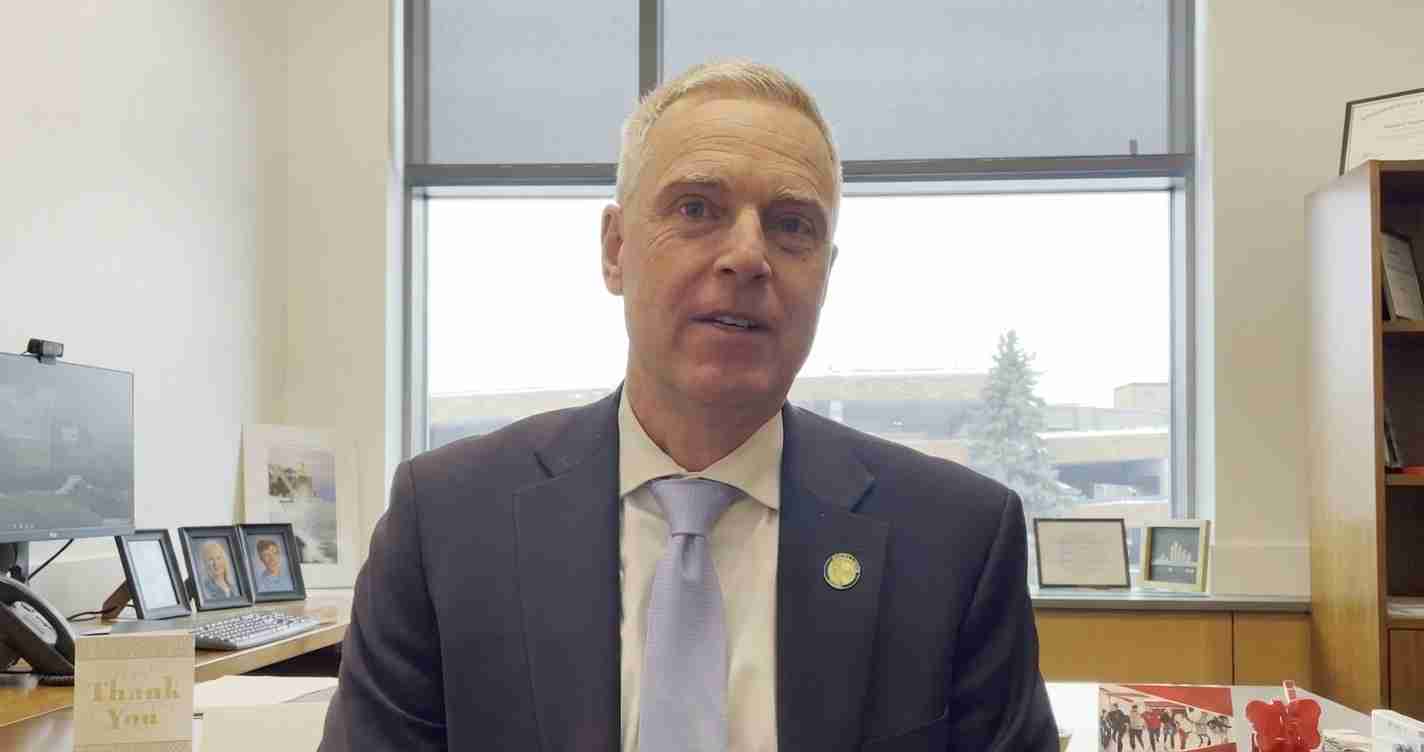
98 Minnesota mayors warn state fiscal policies are forcing property tax hikes, straining city services
Ninety-eight Minnesota mayors warned Dec. 22, 2025 that state fiscal choices — including alleged fraud, unchecked spending and unfunded mandates — are forcing cities to raise property taxes, cut services or delay infrastructure projects, straining residents and local governments.
- 98 Minnesota mayors signed a letter to state lawmakers, saying state fiscal decisions are forcing local governments to raise property taxes, cut services, or delay projects.
- Mayors report a disappearing $18 billion surplus and a projected $2.9–$3.0 billion deficit for the 2028–29 biennium (Mayors’ letter, Dec. 22, 2025).
- Preliminary estimates show Minnesota property tax increases could reach about $950 million statewide next year — a 6.9% rise from 2025 — largely tied to state policy choices and unfunded mandates (WDIO).
- Political responses split: Republican commentators link the strain to fraud and oversight failures, while the governor’s office points to historic local funding and targeted relief (Sen. Lang response; KAAL TV).
What the mayors are saying
Organized by Crosslake Mayor Jackson Purfeest and dated Dec. 22, 2025, the letter frames the problem bluntly: state fiscal choices have shifted costs to cities through new or expanded programs without matching funding. Mayors from large and small municipalities say they now face a narrow set of painful choices — raise local taxes, cut services, delay maintenance and capital projects, or leave positions vacant.
“When the state expands programs or shifts responsibilities without stable funding, it is our residents — families, seniors, businesses, and workers — who ultimately bear the cost.”
The letter emphasizes that these trade-offs are concrete and immediate: higher property tax levies, reduced municipal capacity to maintain roads and parks, longer waits for services, and tougher choices for hiring and retention.
The numbers behind the warning
Key fiscal figures cited by the mayors include a previously reported $18 billion surplus that has largely disappeared and a projected structural deficit of roughly $2.9 billion to $3.0 billion in the 2028–29 biennium. Those figures underpin the argument that state-level decisions — not only local policy — are driving pressure on property tax rolls and municipal budgets.
The letter and supporting analyses also point to competitiveness concerns. A Minnesota Chamber of Commerce analysis noted the state’s slip in national rankings over six years, which the Chamber called a “wake-up call” for leaders worried about deterring business investment.
Unfunded mandates and local budgets
A central theme is unfunded mandates — state requirements for schools, public safety and human services that, according to the mayors, lack reliable funding streams. That forces municipalities to transfer scarce local dollars or scale back services such as road maintenance, parks, libraries and public safety programs.
For city finance officers, the math is immediate: rising pension and insurance obligations, higher operating and construction costs, and less purchasing power from state aid make long-range planning difficult. Smaller cities and suburbs report the steepest trade-offs because they often lack broad tax bases or reserves.
Political responses and differing narratives
Responses have split along familiar lines. Republican Sen. Lang and other GOP commentators cited in public responses framed the letter as evidence that state spending must be reined in, urging tighter fraud controls and fewer unfunded mandates (Sen. Lang response).
Governor Tim Walz’s administration defended the record, pointing to what it calls the most funding ever directed to local governments, including a $300 million package for police and fire, major infrastructure budgets and property tax relief measures (KAAL TV).
The fraud question
A related thread is an evolving fraud scandal that critics say exposed weaknesses in state financial controls. Commentators including state Sen. Michael Kreun, Townhall columnist Dustin Grage, and former federal prosecutor Joe Teirab have discussed the matter publicly, arguing it highlights the need for tighter oversight and accountability. Officials warn that high-profile misuse or poor controls can erode trust and exacerbate fiscal shortfalls.
What this looks like in cities
City managers report higher material and labor costs, recruitment challenges, growing staff vacancies, and shrinking purchasing power from state aid. These pressures, combined with the possibility of nearly $1 billion in added property tax levies, complicate long-term capital planning and service delivery.
Practical effects residents may notice include longer waits for road repairs, fewer recreational programs, potential cuts to library hours, and higher local fees — particularly acute in smaller municipalities with limited tax capacity.
Implications for the United States
Economic impact: Minnesota’s situation is a case study on how state fiscal swings can ripple regionally. Businesses consider tax trends, workforce stability and infrastructure when choosing investment locations; higher local costs could shift investment to other Midwestern states.
Political consequences: The dispute between mayors, Republican lawmakers and the governor’s office shows how fiscal stress can become a political flashpoint, shaping voter sentiment and affecting local and state elections.
Social effects: Rising property taxes and reduced services hit middle-income homeowners and small businesses hardest, potentially prompting relocation that erodes the tax base and complicates fiscal recovery.
Policy applications: Lawmakers may respond by re-examining mandates, restoring cost-sharing for critical programs, increasing oversight, commissioning audits, and creating transparent reporting to rebuild trust and provide cities breathing room.


