
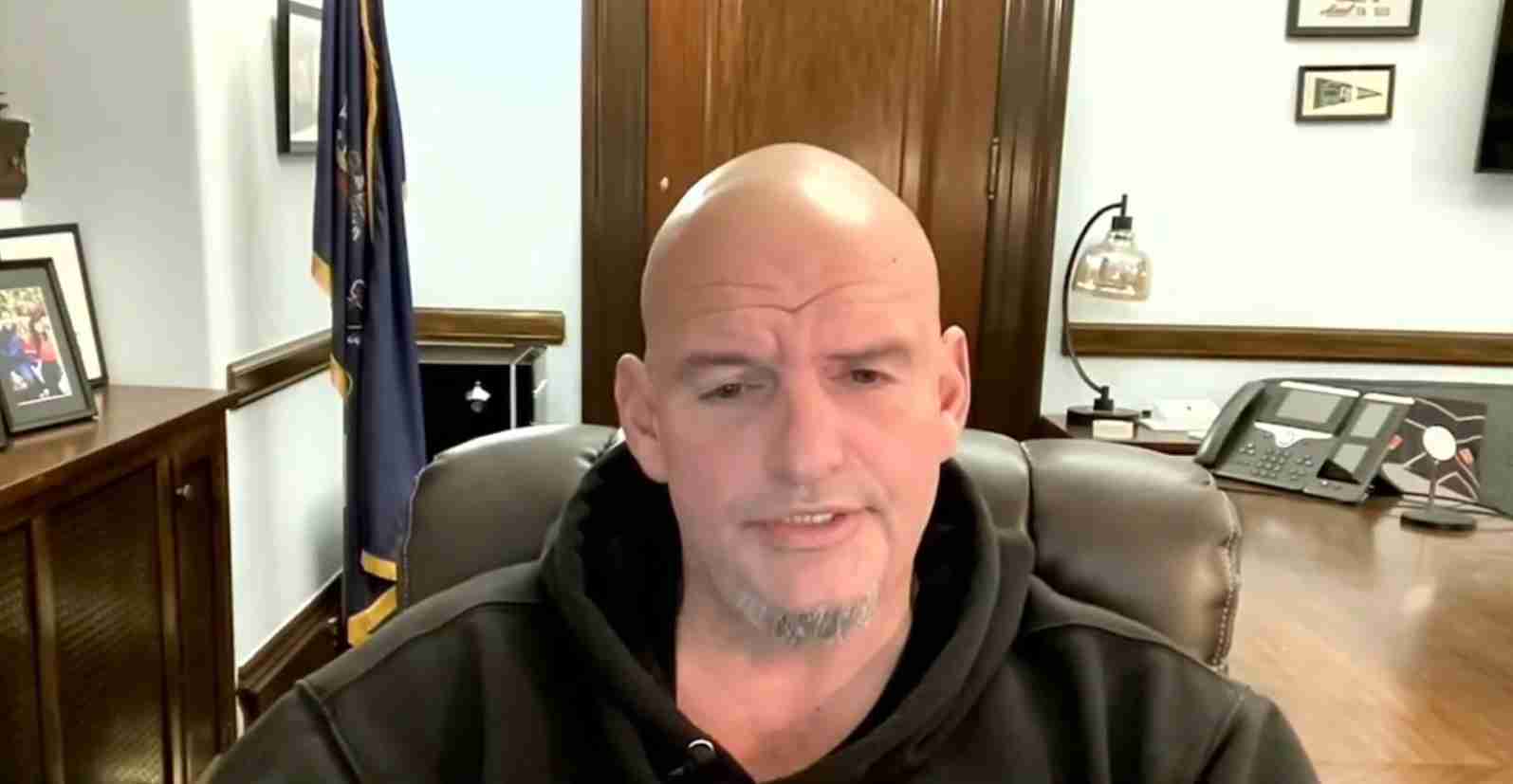
Fetterman Breaks With Democrats on Shutdown, Backs Ending Filibuster to Reopen Government
Sen. John Fetterman said he will break with Democratic leadership to reopen the government, prioritizing “country over party” and even backing elimination of the Senate filibuster if needed to pass spending measures that end the shutdown.
- Willing to cross party lines: Fetterman told Fox News’ “Hannity” he would “pay a price” politically to help reopen the government (source: AOL).
- Supports changing the filibuster: He said he backs eliminating the filibuster if it is necessary to pass spending measures to end the shutdown (source: Pittsburgh Post-Gazette).
- Break from caucus strategy: His stance departs from typical Democratic defense of Senate minority protections and raises questions about bipartisanship and norms (sources: Pittsburgh Post-Gazette, AOL).
What Fetterman said and why it matters
On national television this week, Fetterman made clear he would not automatically stand with Democratic leaders if their strategy meant keeping the government closed. He told Fox News’ “Hannity” he would “pay a price” politically to help end the shutdown and emphasized putting the country first (source: AOL).
That language signals a willingness to break with party discipline at a moment of high public frustration. Shutdowns interrupt paychecks, delay services, and unsettle markets, and for a senator from swing-state Pennsylvania, prioritizing reopening can appeal across party lines.
Supporting effort to eliminate filibuster
Fetterman went beyond signaling a break: he said he would support eliminating the filibuster if that is what it takes to pass funding and end the shutdown. The Pittsburgh Post-Gazette reports he argued that if Republican leadership can assemble votes for a spending plan, the Senate should be able to act without the filibuster obstructing passage.
The filibuster has long required a 60-vote threshold to advance most legislation; removing it would allow a simple majority to pass bills. Fetterman’s openness to such a change underscores how urgent he believes the shutdown is — and how willing he is to challenge long-standing Senate norms (source: Pittsburgh Post-Gazette).
Reaction inside and outside the Democratic caucus
Fetterman’s comments have provoked a mix of support and concern. Some moderates and independents see the stance as practical — a demonstration of putting governance ahead of party tactics. Other Democrats worry that ditching the filibuster or voting with Republicans on spending could undercut long-term strategy and weaken minority protections (sources: AOL, Pittsburgh Post-Gazette).
Republican responses are mixed: some see an opening for bipartisan support of spending priorities; others caution that altering Senate rules is a profound step that could reshape power dynamics for decades.
What this means for bipartisanship and Senate norms
Fetterman’s posture forces a central question: can the Senate restore effective bipartisanship while also protecting longstanding norms? Advocates for keeping the filibuster argue it compels negotiation and protects minority rights; opponents say it fosters paralysis. Fetterman frames the filibuster as a practical obstacle in the face of real harm from shutdowns (source: Pittsburgh Post-Gazette).
Political costs and calculations
Fetterman acknowledged the political risks: potential primary challenges, strained caucus ties, and loss of committee support. Yet he appears to judge that the immediate harm from a prolonged shutdown outweighs those risks — a calculation that may resonate with voters tired of dysfunction (source: AOL).
How the shutdown is playing out on the ground
Beyond the Capitol, the shutdown affects federal workers, contractors, and families relying on services. Airports, border operations, research programs, and small business loans can slow during a lapse in funding. Lawmakers cite these impacts when arguing for bold action to reopen government (source: AOL).
Implications for the United States
Economic impact: A longer shutdown risks slower growth, disrupted paychecks, and delayed contract payments. If Fetterman’s approach helps end the impasse, it could limit damage to consumer confidence and markets; if it relies on eliminating the filibuster, it could set precedents affecting future policy (sources: AOL, Pittsburgh Post-Gazette).
Political consequences: Moderates and pragmatic voters may reward senators who prioritize restoring services; altering the filibuster risks deepening partisan mistrust and enabling major policy shifts when a majority holds power (source: Pittsburgh Post-Gazette).
Social effects: Federal programs serving vulnerable populations — nutrition assistance, health programs, veterans’ services — can face delays. Ending the shutdown would restore services, but the process matters to public confidence (source: AOL).
Practical applications for residents
If Fetterman’s stance helps produce a funding deal, federal employees could return to work and delayed services could resume. Businesses that rely on government contracts or permits would face less uncertainty. Residents should also monitor how any procedural changes could affect how future legislation is passed (sources: AOL, Pittsburgh Post-Gazette).
What to watch next
- Capitol Hill: Whether other Democrats echo Fetterman and if formal moves to alter the filibuster gain traction.
- Public reaction: Polling and local responses in swing states such as Pennsylvania will indicate voter reactions.
- Legislative path: Monitor debates over whether changing Senate norms is an acceptable route to ending the shutdown or an excessive long-term shift.



