
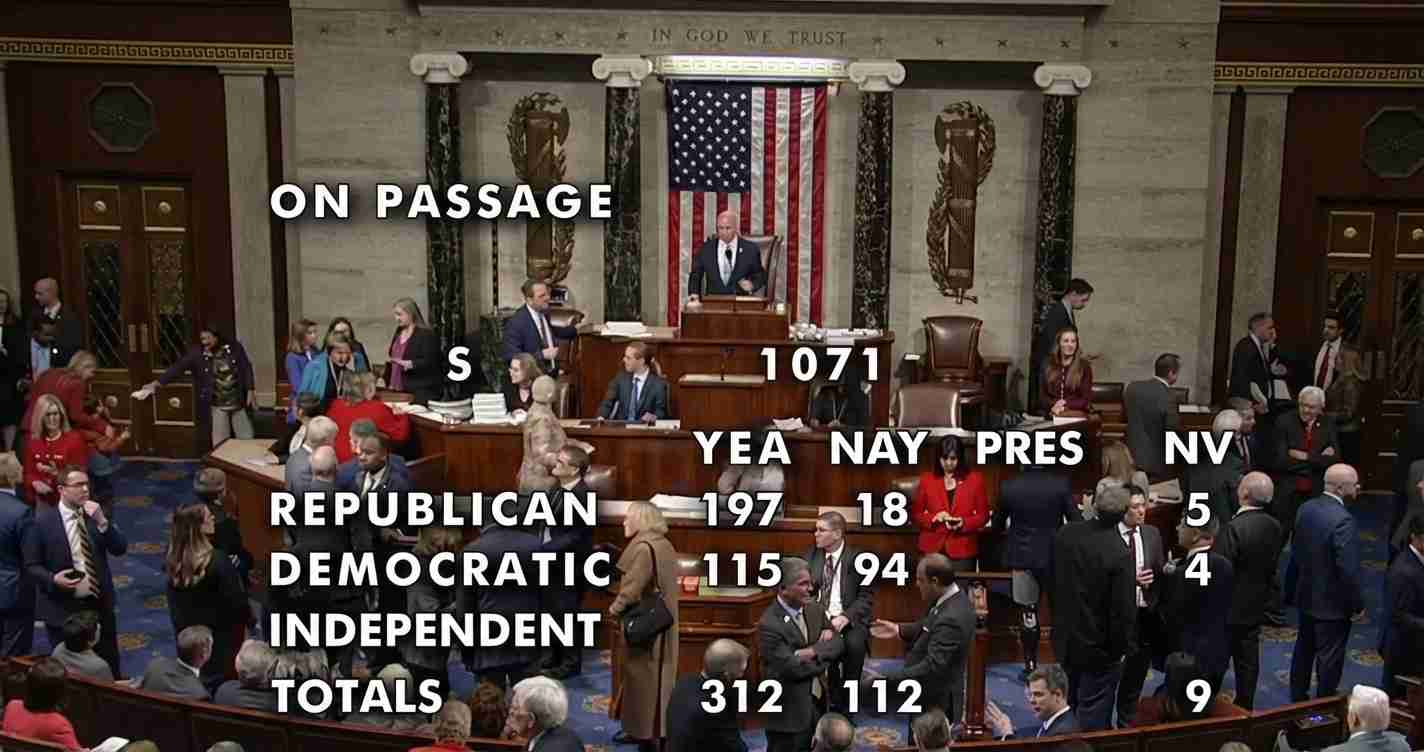
Senate Passes FY2026 NDAA; $900.6B Defense Authorization Heads to Trump with Pay Raises, Ukraine Aid and Major Acquisition Reforms
The Senate approved the Fiscal Year 2026 National Defense Authorization Act 77-20, authorizing roughly $900.6 billion to $901 billion for defense, including nearly 4% troop pay raises, major acquisition reforms and continued aid for Ukraine.
Key takeaways
- Senate passage: Senate approved the bill 77‑20; House approved its version on Dec. 10, 2025.
- Spending: Authorizes about $900.6 billion to $901 billion, roughly $8 billion more than the White House requested (budget context and reporting).
- Personnel & policy: Nearly 4% pay raise for troops, major acquisition overhauls, continued Ukraine and Baltic assistance, and policy changes including repeal of DEI programs (policy coverage).
Main content
What the bill funds and why size matters
The NDAA sets policy and authorizes spending across the Department of Defense and related national security accounts. Lawmakers framed this package as a response to threats ranging from near‑peer competitors to regional conflicts and emerging technology risks. The measure authorizes about $900.6 billion for defense programs and related accounts — often rounded to $901 billion — a figure roughly $8 billion above the White House request, reflecting congressional willingness to increase Pentagon resources (Breaking Defense).
Troop pay and personnel benefits
One of the most visible provisions is a nearly 4% pay raise for service members. Lawmakers and advocates argued the increase will help recruitment and retention amid high operational tempo. The pay provision helped secure broad bipartisan backing for the NDAA (reporting on personnel provisions).
“The pay raise is aimed at improving recruitment and retention during a period of high operational tempo,” proponents said.
Acquisition reform: the biggest change in decades
Lawmakers billed the package as the most sweeping overhaul of defense acquisition in roughly 60 years. The bill seeks to accelerate weapons production, cut red tape, and better integrate the Pentagon with the commercial technology and industrial base. Supporters, including Senate Armed Services Committee Chairman Roger Wicker (R‑Miss.), said the reforms will help the U.S. field critical systems more quickly; critics warned that faster buying without strong guardrails could increase cost and oversight risks (major acquisition reform push).
Ukraine, the Baltics and limits on some overseas commitments
The NDAA continues funding for Ukraine and authorizes new security assistance for Baltic states — moves designed to bolster allies facing pressure from Russia (coverage of ally assistance). At the same time, the bill includes measures that place new limits on certain force levels and deployments in Europe, giving Congress more oversight over troop posture (oversight reporting).
Policy shifts and conservative priorities
The NDAA codifies elements tied to President Trump’s earlier executive actions and moves to repeal Pentagon diversity, equity and inclusion (DEI) programs. Supporters framed these changes as returning the military to a focus on readiness and merit; opponents warned that removing DEI initiatives could hamper talent management and unit cohesion (policy analysis).
Transparency and accountability items
A prominent oversight requirement directs the Pentagon to share footage of U.S. boat strikes, a provision that conflicted with some administration preferences but survived negotiations as part of broader transparency measures (boat strike video-sharing requirement).
Money vs. law: authorization does not equal spending
The NDAA is an authorization bill — it sets policy and permits spending but does not by itself transfer funds. Actual Pentagon spending requires separate appropriations; the final economic and programmatic effects depend on the appropriations process and any stopgap measures (explanation of authorization vs. appropriation).
Timeline and bipartisan push
The House passed its version on Dec. 10, 2025 and the Senate followed with the 77‑20 vote. The cross‑party margin underscores agreement on many national security priorities even as disagreements persisted over specific language on foreign aid and oversight. The bill’s $900.6 billion floor was notable for exceeding the administration request (budget and vote reporting).
Areas of friction
Despite the bipartisan margin, frictions remained: some administration officials expressed reservations about Ukraine aid and video‑sharing mandates, while other lawmakers sought provisions to check deployments and constrain open‑ended commitments. These debates reflect a continuing split view in Washington about global posture and congressional oversight (Washington debate coverage) and broader reporting on ally assistance (ally funding reporting).
Implications for United States of America
Economic impact
The authorized $900.6–$901 billion could support jobs in defense manufacturing, research labs, shipyards and bases across the country. The near 4% pay raise boosts household incomes for military families and may help retention. Because the NDAA authorizes rather than appropriates funds, the real economic boost hinges on subsequent appropriations decisions (funding follow‑up).
Political consequences
For a politically moderate conservative audience, the bill blends priorities many will welcome: stronger acquisition rules, higher defense spending, emphasis on troop pay and limits on indefinite foreign commitments. Codifying elements of Trump executive orders and rolling back DEI programs will be viewed by supporters as restoring military focus on readiness, while critics warn of potential talent and cohesion impacts (analysis of political implications) (ally policy context).
Social effects
Pay raises and clearer acquisition paths may improve morale among service members and families. Communities tied to defense contracts could see steadier work if appropriations follow. The rollback of DEI programs may spark debate in communities with large military populations about recruitment and career development for minority service members.
Cultural relevance
The NDAA’s mix of a stronger defense posture with limits on some overseas commitments aligns with a conservative approach prioritizing efficient military power at home and clear, limited missions abroad — appealing to voters who favor fiscal discipline, strong defense and constrained use of forces.
Practical applications for citizens
- Military families: Expect higher base pay and continued focus on readiness and benefits tied to the NDAA’s personnel provisions.
- Defense industry: Firms should prepare for accelerated acquisition timelines and more competition to deliver systems faster under new rules.
- Taxpayers and voters: Watch the appropriations process to see how much of the authorization becomes actual spending and how Congress balances defense with other priorities.
Bottom line: The Senate‑passed FY2026 NDAA advances a broad defense agenda — large-scale Pentagon funding, major acquisition reform, troop pay boosts and continued ally support alongside policy shifts favored by conservatives. Final impact depends on the President’s signature and subsequent appropriations (full coverage).



