
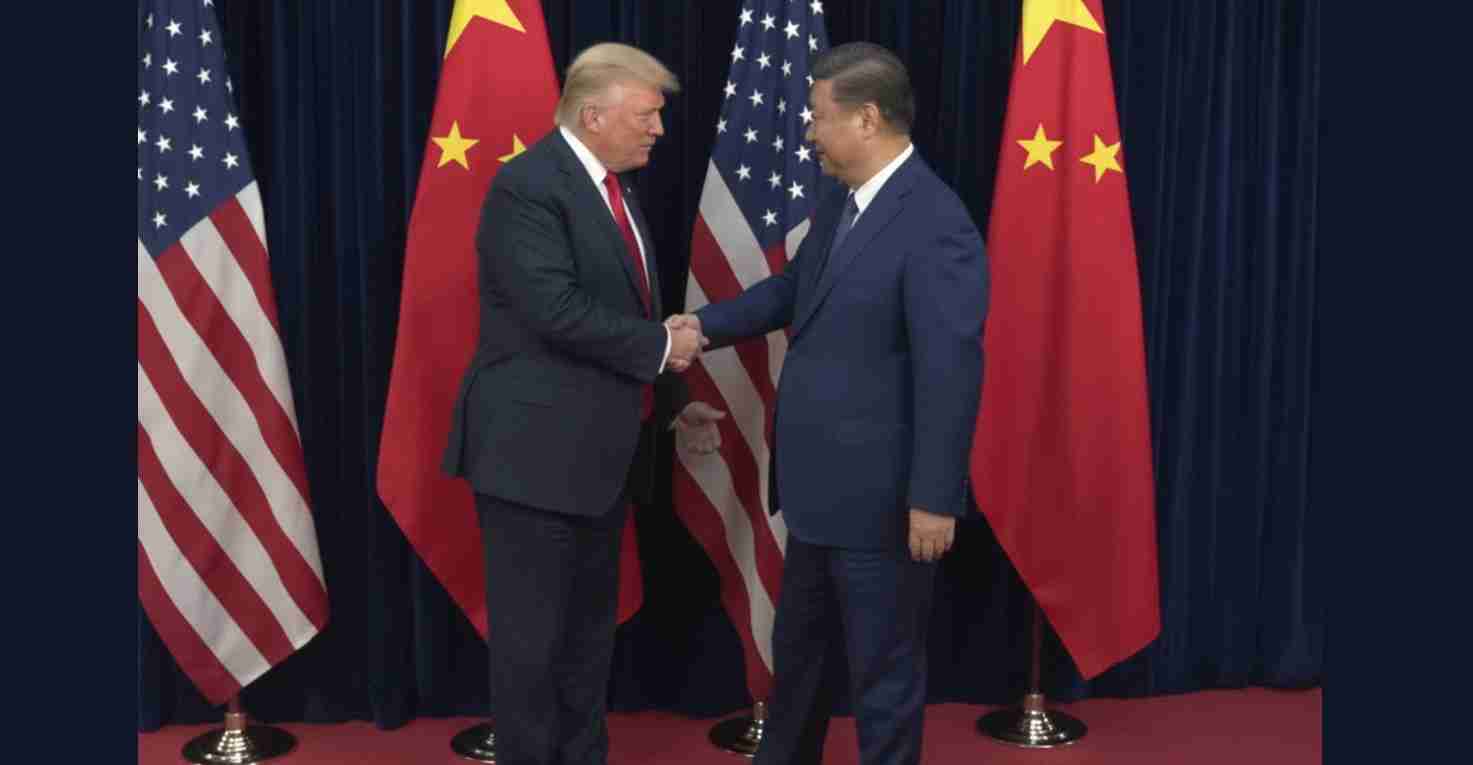
Trump Proposes China Tariff Cut to 80% After Xi Signals Normal “Frictions,” Moves Toward US-China Trade Deal
In early 2025, former President Donald Trump proposed cutting U.S. tariffs on Chinese imports from 145% to 80% conditional on a new trade deal, signaling a potential de‑escalation before planned high‑level talks in Geneva soon.
- Major tariff shift: Trump proposes China tariff cut (additional coverage) — a move from 145% toward 80%.
- Conditional and diplomatic: The proposed reduction is framed as conditional on a broader deal and precedes planned talks in Geneva.
- Enforcement and evidence: Trump linked tariffs in part to fentanyl enforcement, but reporting does not document specific Chinese concessions; see further coverage.
Tariff shift and why it matters
In April 2025, the administration imposed steep tariffs on many Chinese imports—at times described as reaching an effective 145% level. Analysts warned such rates risk isolating U.S. businesses and raising consumer prices. The later proposal to cut to 80% was presented as a pragmatic compromise: large enough to retain bargaining leverage while easing some market pressure.
“80% Tariff on China seems right!” — a public line used by Trump to encapsulate the new posture.
Trump also signaled he would be “very nice” at the negotiating table and avoid needling non‑trade issues — a tactical comment aimed at keeping talks focused on trade.
What Trump said about fentanyl and enforcement
Administration officials cited the fentanyl crisis as part of the rationale for the earlier high tariffs. While public statements suggested that progress on drug enforcement could influence tariff discussions, independent reporting does not show a documented quid pro quo in which Beijing promised concrete law‑enforcement actions in return for tariff relief. See reporting on enforcement links: fentanyl enforcement reporting and related analysis in Fortune.
China’s response and Xi’s comments on “frictions”
Beijing signaled a willingness to engage in dialogue, but Chinese officials have not publicly tied firm concessions—on fentanyl enforcement, rare‑earth exports, or other strategic goods—to the tariff proposal. Chinese leader Xi Jinping characterized tensions as normal frictions between major powers, a diplomatic posture aimed at managing rivalry through negotiation rather than escalation.
Reporting shows both sides signaling readiness to de‑escalate, but no clear evidence has emerged that Xi promised specific concessions tied to tariff reductions. See trade‑industry reporting here: industry coverage.
Upcoming talks and key players
High‑level trade talks were scheduled to follow these public signals. U.S. negotiators, including Treasury officials and the U.S. Trade Representative, were set to meet Chinese counterparts such as Vice Premier He Lifeng in Geneva — the first major face‑to‑face discussions since the highest tariffs were imposed. These meetings are intended to test whether a formal US‑China trade deal can be reached. (Planning coverage: Finance & Commerce.)
Markets and business reaction
News of a possible tariff reduction prompted a positive market reaction, with U.S. stocks rallying on hopes that lower tariffs would ease cost pressures and stabilize supply chains. Businesses dependent on Chinese parts welcomed the prospect of reduced import taxes, though many cautioned that an 80% tariff would remain a heavy burden for numerous sectors.
What the reporting does — and does not — show
Reputable outlets confirm Trump floated a substantial tariff cut and that both sides signaled interest in talks. Public statements and the scheduling of negotiations are documented, but reporting does not substantiate claims that Xi promised specific concessions on fentanyl enforcement or rare‑earth exports tied to the tariff move. Readers should interpret evidence as showing diplomatic thawing and bargaining posture, not a detailed swap of concrete commitments. See coverage in Fortune and The Register.
Implications for the United States
Economic impact
Prices and supply chains: If tariffs drop from 145% to 80%, many U.S. companies importing parts or goods from China could see lower costs, potentially easing consumer price pressure.
Industry winners and losers: Electronics, consumer goods and sectors reliant on Chinese inputs would benefit most; however, an 80% tariff remains high and could keep margins under pressure.
Political consequences
Domestic politics: The proposal can be presented as pragmatic — protecting leverage while addressing economic pain at home.
Election dynamics: Any cost relief for consumers could have political impact, but critics will press for clarity on whether meaningful concessions were secured.
Social and public safety effects
Trump cited fentanyl as part of the tariff rationale. If negotiations yield stronger cooperation on drug enforcement, public‑health advocates may view that positively. To date, public reporting does not confirm specific Chinese commitments on fentanyl enforcement (reporting).
Strategic and supply‑chain considerations
Rare‑earths and critical materials: No credible reporting links a rare‑earth export pause to the tariff talks; U.S. policymakers remain focused on supply diversification.
National security: Lawmakers will scrutinize any deal for implications on security and access to critical minerals.
Practical applications for Americans
- Consumers could see relief at the checkout if tariffs are eased and savings are passed on.
- Manufacturers and small businesses that import Chinese components should monitor negotiations and plan for multiple tariff scenarios.
- Policymakers and investors should expect volatility as headlines and deal details emerge.
Reporting and source notes
This article is based on reporting documenting Trump’s statements and the scheduling of trade talks. Key sources include: Fortune (April 22, 2025), Fortune (May 9, 2025), Finance & Commerce, ASI Central (industry coverage), and The Register.
Next steps for readers
Watch for the Geneva talks and the official texts of any US‑China trade agreement. Those documents will reveal whether tariff changes are tied to specific commitments on enforcement, rare‑earth exports, or other strategic matters. Until such texts are published, the public record shows a proposal to reduce tariffs to 80% linked to efforts to reach a broader trade deal, but no clear proof of a direct trade‑off involving fentanyl enforcement or rare‑earth pauses.



