
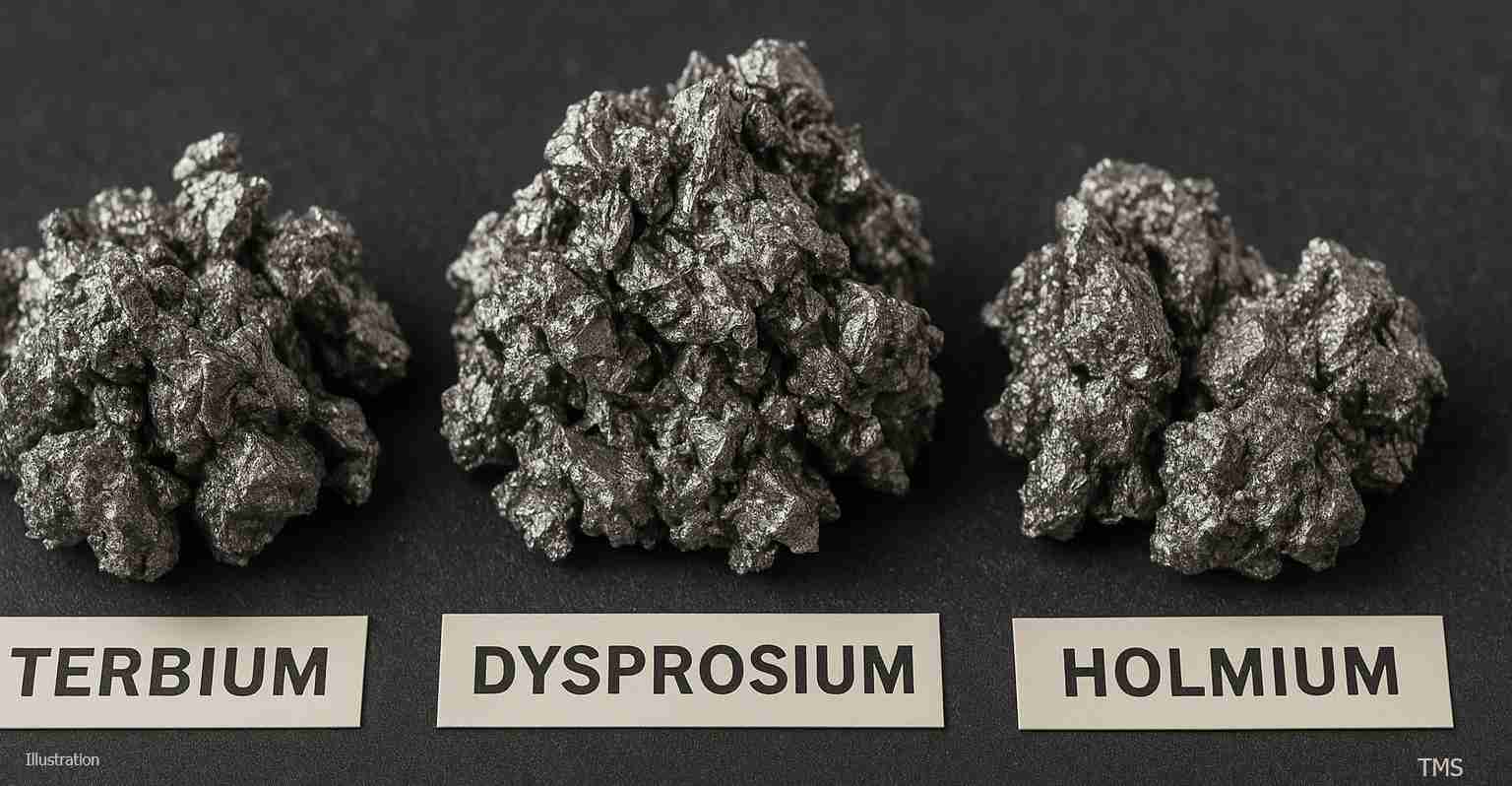
Trump Outmaneuvers China in Rare Earth Deal, Seeks to Reboot Global Supply Chains
The Trump administration launched an aggressive campaign to counter China’s near-monopoly on rare earths, forging international partnerships and domestic measures to secure essential minerals for technology and defense while attempting to reshape global supply chains amid debate over long-term effectiveness.
Key takeaways
- China’s dominance: China controls roughly 60–70% of global rare earth mining and more of refining capacity, giving it outsized influence on tech and defense supply chains.
- Diplomatic push: The administration signed memoranda of understanding and frameworks with Asian partners and reached a separate framework with Australia to diversify supplies.
- Coercive controls: In late 2025 Beijing expanded export controls broadly, signaling willingness to use minerals as leverage (ABC News).
- Near-term relief, long-term costs: Agreements eased shortages but analysts argue resilient alternative refining and manufacturing will take years and heavy investment (CSIS).
China’s leverage and new export controls
China’s grip on the global rare earth supply extends beyond mining: it dominates refining and processing that convert raw ore into permanent magnets and components for phones, electric vehicles, wind turbines and military systems. That refining advantage creates enduring leverage even if other countries increase mining output. (Source: ABC News)
In late 2025, Beijing widened export restrictions and applied new rules to all trading partners, tightening controls across the board. Observers characterized the move as economic coercion intended to preserve China’s edge and deter Western reliance on its supply chain. (ABC News) (Explainer video)
Trump’s international pushback
The White House combined diplomacy with pressure: President Trump signed memoranda of understanding and frameworks with Japan, Cambodia, Malaysia, Vietnam and Thailand to expand sources and speed supply chains. A separate arrangement with Australia aimed to secure allied mining capacity.
“The outreach was framed as protecting national security and economic interests tied to rare earths,” reporting compiled from Times Media Service said.
Officials emphasized two goals: widen the pool of suppliers and send a diplomatic signal that the U.S. would not be passive if access to critical minerals was threatened. The outreach formed part of a larger effort to tie rare earth access to security partnerships.
U.S.-China negotiations and tariff threats
The administration paired agreements with coercive tools, including a threatened 100% tariff on Chinese imports intended as leverage against export controls. That threat was later paused while negotiators pursued a broader trade framework that could include arrangements on rare earth shipments. (ABC3340) (ABC News)
U.S. officials expressed cautious optimism that high-level talks could produce a temporary accommodation, but Beijing showed no clear public sign of abandoning controls, highlighting the fragility of deals reliant on Chinese restraint. (ABC News)
Short-term resumption, long-term challenges
An arrangement allowed the resumption of rare earth and magnet shipments to Western customers, which analysts called practical near-term relief but cautioned resembled a truce more than a permanent fix. (CSIS)
The structural problem remains: reducing reliance on China requires building new mines, developing refining capacity and expanding downstream manufacturing — a multi-year, multibillion-dollar effort hindered by permitting, environmental reviews and workforce needs. (CSIS)
Other U.S. and partner actions
Rare earths rose to the top of foreign policy agendas, raised in talks with Gulf partners, European allies and Indo-Pacific nations to encourage investment in processing and refining capacity. Some private firms and allied governments have begun investing in mines and processing plants outside China, but scaling these projects faces environmental, permitting and cost hurdles. The U.S. is considering incentives, loans and regulatory support to accelerate domestic projects.
Global stakes: why rare earths matter
Rare earth elements are essential to modern devices and systems: permanent magnets for electric vehicles and wind turbines, high-performance electronics, and advanced military systems. Disruptions carry both economic and national security implications. (ABC News) (Explainer video)
Analysis: outmaneuvering or partial pushback?
The strategy combined bold diplomacy, economic pressure and a push to build alternatives. It produced breathing room and signaled U.S. resolve to allies, but experts call it a partial outmaneuver rather than a decisive shift. CSIS analysts stress that temporary shipments and diplomatic understandings ease shortages short-term, but the decisive test is how quickly alternative refining and manufacturing can be built. (ABC News) (CSIS)
Implications for the United States
Economic impact
- Short term: Deals and resumed shipments lowered immediate supply risk and eased price spikes for some components, but rebuilding non-China supply chains will be costly and span years. (CSIS)
- Long term: Developing U.S. mining, processing and manufacturing could create jobs and new industries, but requires public and private investment and faces permitting and environmental hurdles.
Political consequences
- Domestic: Securing critical mineral supply chains aligns with conservative themes of national security, economic independence and support for domestic industry.
- Foreign policy: Partnering with allies tightens strategic ties across Asia, Europe and Australia but increases diplomatic friction with Beijing.
Social effects
- Workforce: Building a domestic critical mineral industry could bring jobs to rural and mining regions but will require training programs and community engagement.
- Environmental: Mining and processing carry environmental costs; balancing local concerns with national security goals will be politically sensitive.
Cultural relevance
Moves to reduce dependence on China tap into themes of national resilience and protecting American technology leadership. Public attention may grow for supply-chain policies even if they raise near-term prices.
Practical applications for daily life
- Tech and defense: More secure supplies lower the risk of shortages for electric vehicles, wind turbines, smartphones and defense systems.
- Consumer prices: New supply chains could stabilize prices over time; transition costs may keep some prices elevated short-term.
- Local economies: New mines and processing plants can lift local economies if community and environmental concerns are addressed.
Sources and further reading
- Access to rare earth minerals looms over Trump-Xi meeting — ABC3340
- U.S., China seek to strike deal on rare earths; tariffs possible — ABC News
- US-China rare earth minerals fight explained — ABC News
- Trump strikes deal to restore rare-earths access — CSIS analysis
- Explainer video on rare earths and supply chains — YouTube
Reporting compiled from Times Media Service research and the sources listed above.



