At least 14 dead after engine separates, UPS cargo jet crashes and explodes near Louisville; cockpit bell rang 25 seconds as pilots fought to control burning plane
A UPS cargo MD-11, Flight 2976, crashed after its left engine separated after takeoff from Louisville on Nov. 4, 2025, killing at least 14 people as investigators examine alarms and wreckage and emergency response operations.
Key takeaways
- Flight: UPS Airlines Flight 2976, an MD-11 freighter, departed Louisville bound for Honolulu and crashed minutes after takeoff.
- Alarm: Investigators say a repeating cockpit bell rang for about 25 seconds, likely an engine-fire alert, beginning 37 seconds after takeoff thrust was engaged.
- Casualties and damage: At least 14 people killed, including three crew members and civilians on the ground; buildings, vehicles and a debris field were heavily damaged.
- Investigation: The NTSB leads the probe; flight recorders and the separated engine were recovered for analysis.
Main reporting
What happened
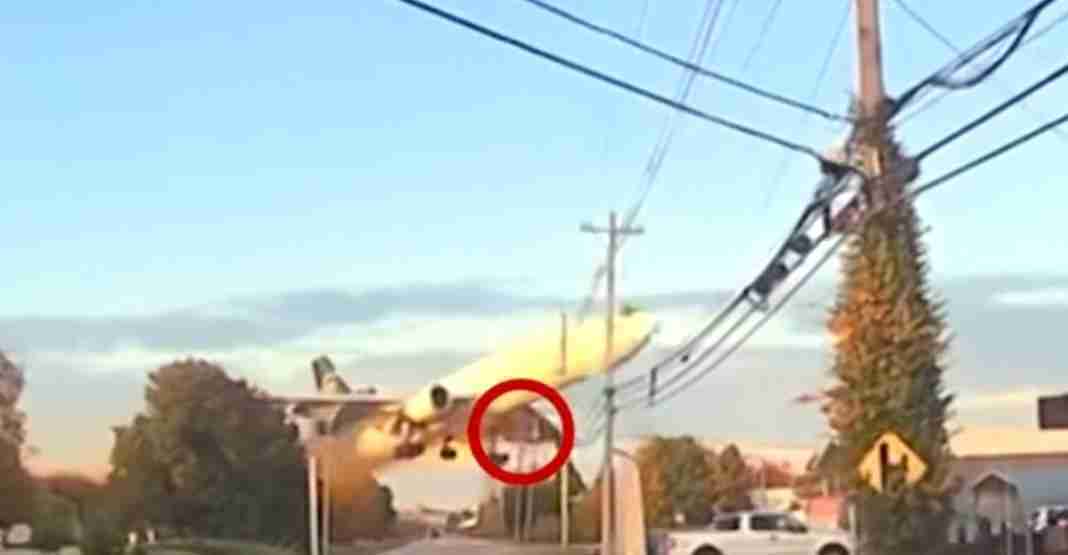
Video captured by bystanders shows the MD‑11 airborne and, shortly after lift-off, the left (number one) engine missing from the wing. The aircraft reached about 175 feet when witnesses saw fire on the left wing and the jet begin a sharp left roll and descent. The plane rolled more than 90 degrees left before striking the roof of a UPS warehouse and colliding with fuel tanks, igniting an intense blaze that consumed parts of the aircraft and nearby structures.
The left engine was later recovered on grass beside the runway. The main wreckage came to rest in a semi‑truck parking area and an auto scrap yard, creating a debris field roughly half a mile long. Emergency crews worked to control fires, search the scene and warn residents not to touch debris and to report findings through official channels.
Cockpit alarm and crew action
According to the National Transportation Safety Board (NTSB), the cockpit voice recorder captured a repeating bell alarm that rang for about 25 seconds. That alarm began 37 seconds after the crew engaged takeoff thrust and investigators say it likely indicated an engine fire. Experts noted the alarm sounded after the normal decision point to safely abort takeoff.
“A repeating bell sounded in the cockpit for 25 seconds as pilots tried to control a UPS cargo plane that caught fire, had an engine fall off and crashed.”
Investigators will analyze the crew’s responses using cockpit voice and flight data recorders, radar tracks and available video. Officials identified the pilots as Capt. Richard Wartenberg, First Officer Lee Truitt and Capt. Dana Diamond — all described as experienced crews.
Casualties, damage and response
Local hospitals treated multiple patients; most were released after care. At least 14 people died, including the three crew members and civilians on the ground — among them a child. Several buildings and businesses in the industrial area were destroyed or damaged in the crash and subsequent fire.
In the aftermath, Louisville Muhammad Ali International Airport canceled flights and authorities issued shelter‑in‑place orders for residents within a several‑mile radius. Major roads were closed and schools canceled while crews fought fires and searched for survivors. UPS paused operations at its Worldport sorting hub to allow emergency and recovery work to proceed.
Investigation underway
The NTSB, as lead agency, recovered the cockpit voice recorder and flight data recorder and has launched a detailed investigation. Teams are examining:
- the separated engine and structural wreckage;
- maintenance and inspection history for the MD‑11 and the left engine;
- alarm systems, fuel and fire propagation, and air traffic control communications;
- surveillance and bystander video to reconstruct the sequence of events.
The NTSB cautioned that a final determination may take months as data, records and physical evidence are analyzed.
Broader context
This is the deadliest accident in UPS Airlines’ history and the carrier’s third fatal crash. The MD‑11 is an older wide‑body freighter type used for decades in cargo service; regulators and operators often review such incidents for maintenance, inspection and fleet decisions. The NTSB’s findings could prompt airworthiness directives, new inspection requirements, or operational changes if mechanical or procedural issues are identified.
The crash also raises questions about airport adjacency to industrial facilities, emergency response readiness near major cargo hubs, and resilience planning for national logistics networks that depend on single large sorting facilities.
Public safety and community impact
Officials urged the public not to disturb wreckage and to report missing persons or debris through official channels. Forensic and recovery teams are working to identify victims and document evidence. Shelters and support services were set up for displaced residents and employees, and UPS and local agencies pledged assistance to families and first responders.
Implications for the United States
Economic: The Louisville Worldport hub handles a major share of overnight domestic and international freight; a shutdown or prolonged slowdown could disrupt supply chains and delay deliveries.
Aviation safety: If mechanical failure caused engine separation, the FAA may issue directives affecting other operators of similar aircraft. The NTSB’s recommendations could affect inspection regimes and fleet management.
Policy and oversight: Lawmakers and state officials are likely to seek briefings from the NTSB, FAA and UPS on aircraft aging, maintenance oversight, airport zoning and emergency preparedness — balancing efficient commerce with rigorous safety checks.
Facts to watch
- NTSB’s preliminary report and timeline for the accident.
- maintenance records and inspection history for the MD‑11 and the separated engine.
- any FAA airworthiness directives or regulatory actions following the NTSB findings.
- UPS operational updates on Worldport and route recovery.