Probe Finds Industry Backing Shaped Push to Keep Diablo Canyon Open as Lawmakers Approve SB 846
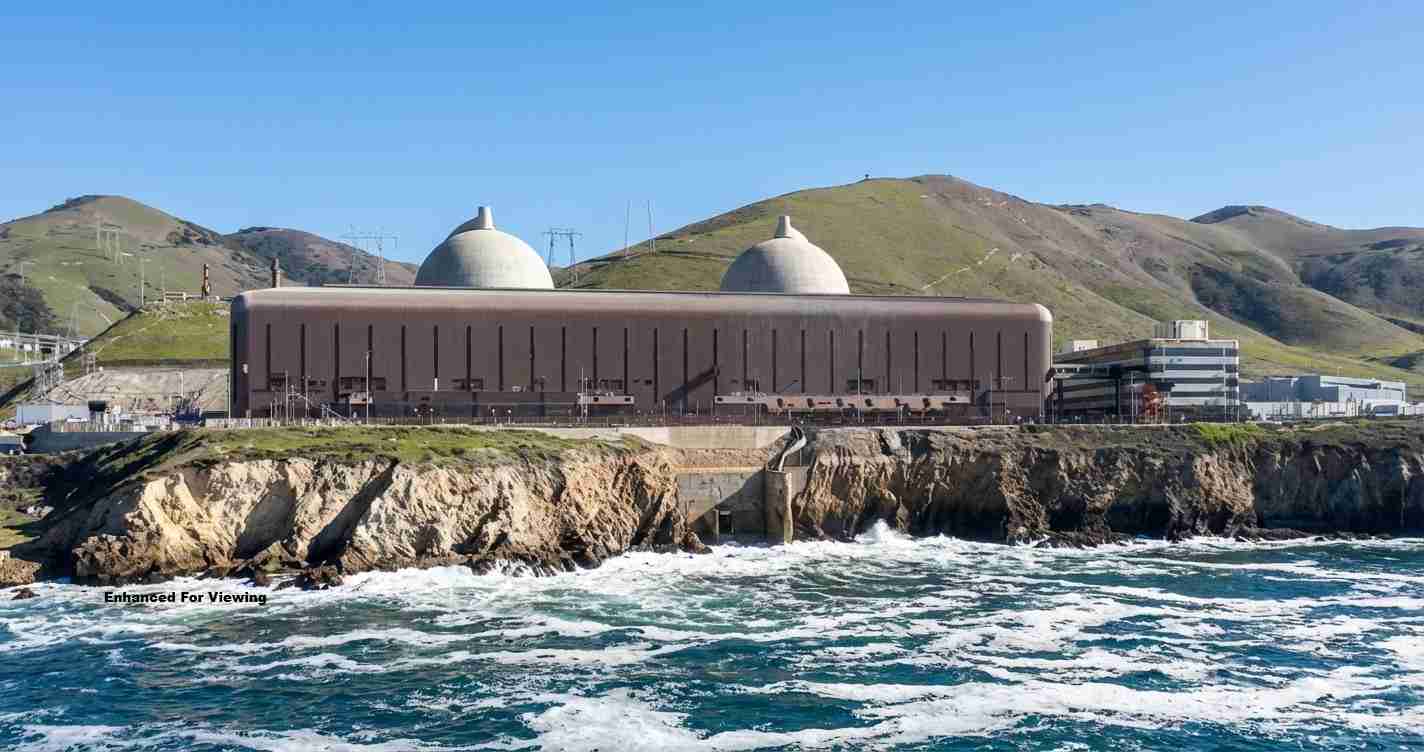
State regulators and lawmakers approved measures — including SB 846 — to keep California’s Diablo Canyon Nuclear Power Plant operating through at least 2030, reversing a prior 2016 closure agreement amid rising grid reliability concerns and demand growth.
Key takeaways
- Legislation: Lawmakers passed SB 846 in 2022 to extend Diablo Canyon’s operation (Unit 1 to 2029, Unit 2 to 2030), backed by reporting in the San Francisco Chronicle and CalMatters.
- Regulatory approvals: The California Public Utilities Commission gave conditional approval in December 2023 with environmental and safety conditions, per the San Francisco Chronicle.
- Industry role: Pro-nuclear groups and parts of the utility sector actively supported the extension, but public records do not fully document specific venture-capital-led orchestration.
Background: From 2016 shutdown deal to SB 846 approval
Diablo Canyon’s planned closure: In 2016, Pacific Gas & Electric reached a public agreement with environmental groups and state officials to close the plant’s two reactors by August 2025, reflecting a statewide emphasis on solar, wind and storage at the time. Reporting detailed that 2016 deal and the then-clear end date for California’s last operating nuclear facility (San Francisco Chronicle).
Policy shift by 2022: By 2022 lawmakers passed SB 846, which kept Diablo Canyon operating through at least 2030 to address grid reliability and rising demand from new high-energy users. The bill reflected changing priorities as the state reevaluated reliability risks while renewable buildout continued (San Francisco Chronicle).
Regulatory approvals and conditions
CPUC action: The California Public Utilities Commission conditionally approved the extension on Dec. 14, 2023, attaching requirements for safety oversight, cost monitoring and grid integration (San Francisco Chronicle).
Coastal and environmental conditions: The Coastal Commission and state regulators set environmental mitigation measures addressing the plant’s seawater cooling system and required land-conservation commitments — reporting cited protections for marine life and the conservation of roughly 4,000 acres as part of permitting conditions (CalMatters; San Luis Obispo County planning pages).
What role did industry and advocates play?
Reporting and public filings show substantial support from nuclear advocates, segments of the utility sector and other backers who argued Diablo Canyon is essential as a reliable, low-carbon source. Coverage commonly notes that Diablo Canyon supplies about 10% of California’s electricity, underscoring its importance when intermittent renewables underperform (San Francisco Chronicle).
“Diablo Canyon provides about 10% of California’s power,” noted reporting underlining the plant’s role as firm, dispatchable generation when solar and wind are insufficient.
Multiple accounts document lobbying and advocacy in favor of extensions. However, independent reporting and available public records do not fully trace a definitive paper trail that ties specific venture capital firms to a single, orchestrated campaign that alone produced the policy change (San Francisco Chronicle).
Gov. Newsom’s stance and political context
Gov. Gavin Newsom — originally a supporter of the 2016 shutdown deal — shifted toward endorsing extensions as concerns about summer reliability, wildfires and growing demand rose. Supporters argued that keeping Diablo Canyon online provides time to scale storage and transmission while preserving a large source of carbon-free electricity (San Francisco Chronicle).
PG&E’s longer-term play and federal licensing
Federal extension efforts: PG&E has filed for a 20-year federal license extension that, if approved and followed by appropriate state approvals, could allow operations into the mid-2040s. That move has furthered debate on Diablo Canyon’s place in the state’s climate and energy strategies (NucNet; San Francisco Chronicle).
Local fiscal and community issues
Tax and revenue implications: The extension renewed local conversations about reinstating unitary taxes after years of the plant’s asset value being set to zero on local rolls. Restoring unitary assessments could materially affect county revenues and services, prompting scrutiny from local officials and community groups (KSBY; San Luis Obispo County planning pages).
Environmental and opposition views
Environmental groups and some clean-energy advocates argue extensions risk slowing investment in solar, wind and batteries and raise long-term waste and safety concerns. Opponents have urged regulators to strengthen conditions, enhance cost transparency, and ensure the extension does not undermine California’s climate goals (IJPR; San Francisco Chronicle).
Where the record is thin
Some outside accounts claim pro-nuclear lobbyists and venture capitalists conducted a multi-year campaign that directly convinced policymakers to approve the extension. Public reporting for this piece shows strong industry support and advocacy, but does not provide a complete, verifiable record naming specific venture-capital actors or documenting a single coordinated campaign that alone produced the policy shift. Reporting remains ongoing and future disclosures could clarify financial and lobbying networks (San Francisco Chronicle).
Implications for the United States
Economic impact
Keeping a large dispatchable, carbon-free generator online eases near-term pressure to build very large storage or new fossil generation to meet peaks, potentially avoiding rate shocks in tight supply periods. PG&E’s federal-license plans could extend these market effects into the 2040s if approved (NucNet; San Francisco Chronicle).
Political consequences
The extension illustrates how reliability concerns can quickly reshape energy policy. Other states may view California’s legislative and regulatory approach as a model for keeping critical plants online during transitions to cleaner generation (San Francisco Chronicle).
Social effects
Communities near Diablo Canyon gain job preservation and potential tax revenue, but face enduring worries about waste management, coastal impacts, and seismic risk. Local debates reflect national tensions between energy security and environmental protection (KSBY; San Luis Obispo County planning pages).
Cultural relevance and practical applications
Diablo Canyon is a test case for whether nuclear can serve as a transitional bridge. Its performance during heat waves, wildfire seasons and demand surges — including from data centers — will be watched by utilities and policymakers shaping permitting, oversight and future extension precedents (San Francisco Chronicle).
Reporting notes and sources
This article relies on reporting and public documents from the following outlets and government pages:
Ongoing coverage will continue to seek additional public records and transparent disclosures about lobbying, campaign activity and investor involvement related to the Diablo Canyon extension and any future licensing efforts.