Ivanpah’s Glow and the Trade-Offs of “Clean” Power: Bird Deaths, Gas Use and a Costly Federal Bet
Ivanpah Solar Electric Generating System, a 392-megawatt solar thermal plant in California’s Mojave Desert, faces partial decommissioning in 2026 amid controversies over bird deaths, natural gas use and debates about its cost-effectiveness versus newer renewables.
Key takeaways
- Scale & capacity: The Ivanpah facility is 392 megawatts and was promoted as powering about 140,000 homes — see Bechtel and Wikipedia.
- Technology: Nearly 173,500 heliostats (roughly 347,000 mirrors) reflect sunlight to three 459-foot towers using BrightSource’s LPT 550 receivers — details at Wikipedia and the Department of Energy.
- Environmental & operational trade-offs: Thousands of bird fatalities tied to “solar flux,” routine natural gas startup emissions, and more than $1.6 billion in DOE loan guarantees plus a $539 million Treasury grant complicate the project’s legacy — see Wikipedia and the Department of Energy.
How Ivanpah works
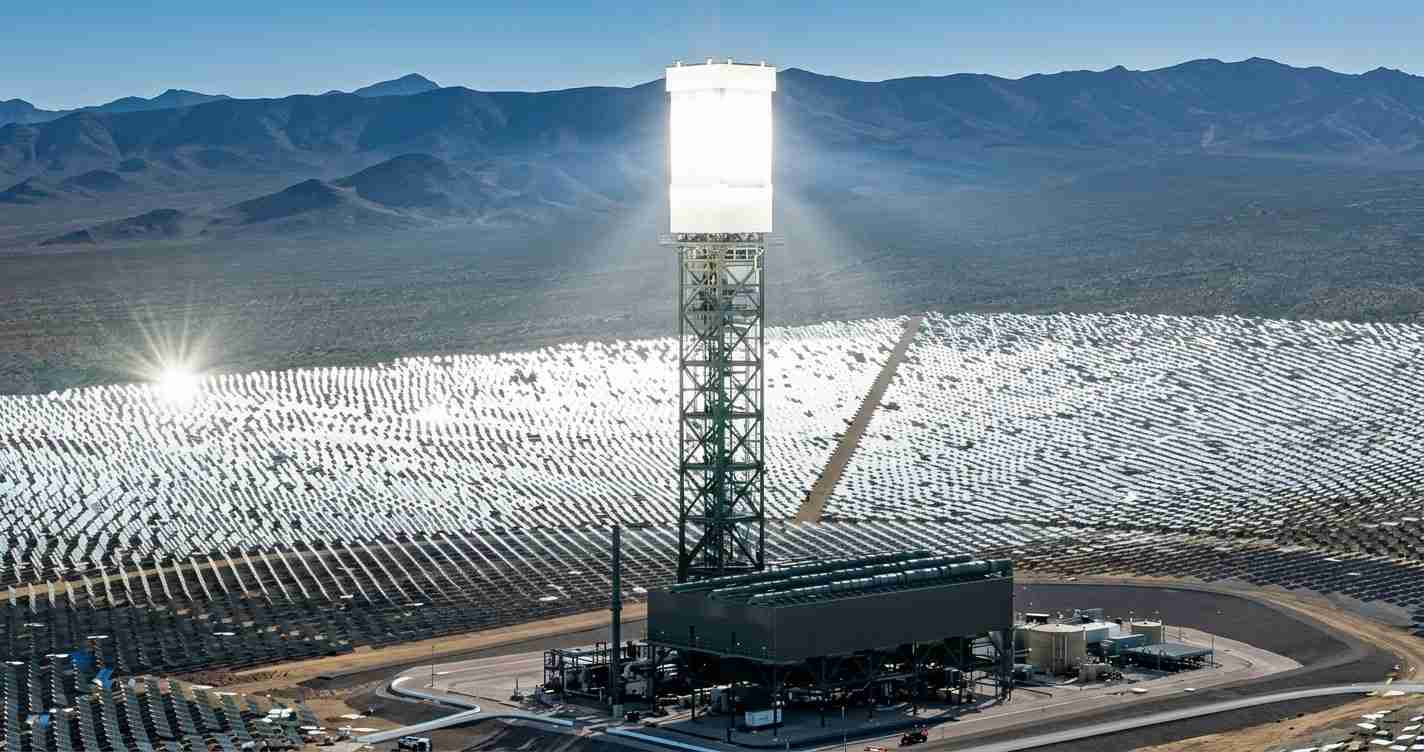
Ivanpah is a solar thermal power plant, not a photovoltaic panel farm. Nearly 350,000 mirrors, mounted on more than 170,000 heliostats, track the sun and reflect light toward boilers atop three towers. Concentrated rays heat steam inside BrightSource Energy’s LPT 550 receivers; that steam spins conventional turbines to produce electricity. Technical overviews are available at Wikipedia and the Department of Energy.
The site covers more than 4,000 acres of the Mojave Desert. At sunrise the mirrors form a low-profile grid; by midmorning the towers glow as light converges at their tops, producing an intense visual effect that both fueled early marketing and raised local alarms.
Wildlife toll: solar flux and bird deaths
Federal researchers and facility monitoring have documented persistent wildlife impacts tied to Ivanpah’s concentrated-beam design. Bright, hot towers attract insects, which in turn draw aerial insectivores. Some birds that enter the concentration zones suffer severe injury or death from intense beams — a phenomenon known as solar flux. Monitoring over more than a decade has recorded thousands of bird fatalities associated with the plant; see monitoring summaries on Wikipedia.
“Ivanpah exposed a blind spot in approving large-scale renewables: carbon-focused benefits can mask local ecological harms.”
Developers and regulators implemented mitigation measures — from visual deterrents to operational changes — but the bird and insect impacts remain central to the controversy and regulatory scrutiny.
Carbon footprint and natural gas reliance
Although promoted as a low-carbon alternative, Ivanpah relies on natural gas each morning for system startup and to return to operation. That daily gas burn produces tens of thousands of metric tons of CO2 annually, complicating claims that the facility is purely “clean.” These lifecycle and operational emissions are documented in project overviews at Wikipedia and the Department of Energy.
Financial and policy backdrop: a taxpayer-backed experiment
Ivanpah was constructed with substantial federal support: about $1.6 billion in Department of Energy loan guarantees issued in 2011 and a $539 million U.S. Treasury grant covering roughly 30% of construction costs. Those investments have invited criticism as cheaper solar and battery storage emerged; reporting and summaries are available from the Department of Energy and Wikipedia.
Officials across administrations have at times supported shuttering the plant, citing high operating costs relative to modern alternatives, while California regulators have sometimes resisted full closure, citing grid value. In January 2025 a partial decommissioning plan announced that Units 1 and 3 would begin partial shutdowns starting in 2026 pending approvals; discussions over Unit 2 and potential buyouts continue — reporting at Environment & Energy Leader and context on Wikipedia.
Grid benefits and reliability arguments
Supporters argue Ivanpah provides dispatchable, large-block power during sunlight hours and serves as a firming resource while cleaner or lower-cost replacements are brought online. Regulators have weighed these grid reliability benefits against environmental harm and operating cost, sometimes concluding Ivanpah still contributes to regional reliability planning.
Local footprint and public image
Visitors describe a surreal scene: mirrored fields and three towering receivers lit by converging beams. The plant became an iconic image in early-2010s renewable marketing, symbolizing ambition — and later, the trade-offs inherent in scaling certain clean-energy designs.
Implications for the United States
- Economic & taxpayer accountability: Ivanpah highlights the risks of early federal support for emerging technologies and raises questions about project selection, cost structures and safeguarding public investments as technologies evolve.
- Environmental policy & species protection: Documented bird mortalities underscore the need to incorporate wildlife impacts into siting and permitting decisions for large projects in fragile habitats.
- Energy planning & reliability: Debates over retirement vs. retention of assets like Ivanpah show the challenge of balancing reliability with rapid deployment of cheaper renewables and storage.
- Regulatory precedent & public trust: How regulators handle decommissioning, mitigation costs and taxpayer-backed losses could set important precedents. Ivanpah also complicates public narratives that equate “green” with benign impacts, highlighting the need for transparent lifecycle accounting.
Relevant sources and reporting
- Ivanpah Solar Power Facility — Wikipedia
- U.S. Department of Energy — Ivanpah project overview and DOE loan information
- Bechtel — Ivanpah project details
- Coverage of partial decommissioning and policy debate — Environment & Energy Leader
Note: All original facts, figures and source URLs are preserved above for transparency and further reporting.