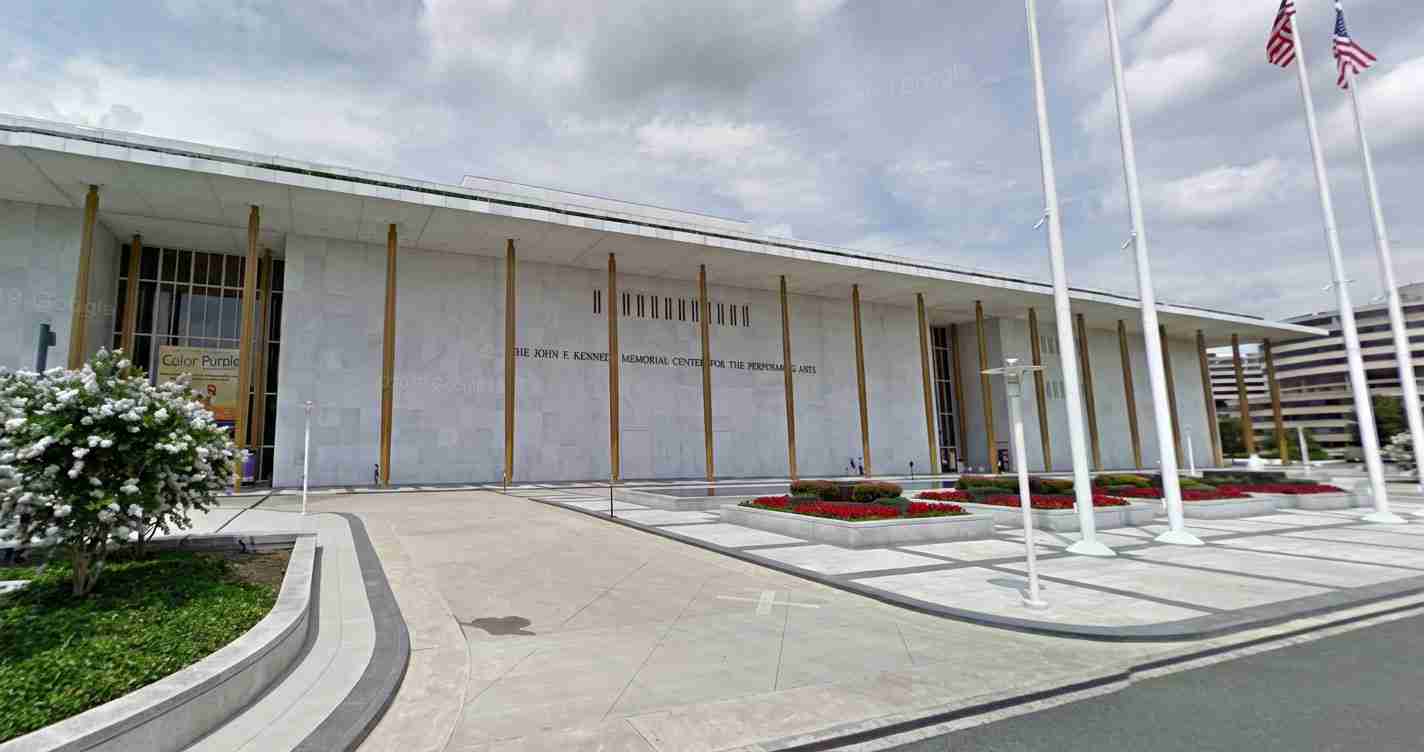
Trump Kennedy Center closure set for July 4; president vows two-year Kennedy Center renovation to create “spectacular Entertainment Complex”
President Donald Trump announced on February 1, 2026, that the Kennedy Center — rebranded as the Trump Kennedy Center — will close on July 4, 2026, for a massive two-year renovation to create a “spectacular Entertainment Complex.”
- Full closure: The Trump Kennedy Center will shut on July 4, 2026, for a two-year renovation.
- Funding unclear: Trump said funds are “completed and fully in place” but did not disclose sources or cost.
- Major disruption: Resident organizations, notably the National Symphony Orchestra, face upheaval, relocations, or cancellations.
- Oversight questions: Critics warn of limited public scrutiny given recent board changes and rebranding.
Shutdown plan and presidential announcement
President Trump announced the closure in a Truth Social post and in accompanying remarks, saying the plan followed a yearlong review with contractors, arts experts and advisers. He said the complex will close on July 4, 2026 — the nation’s 250th anniversary — and that construction would begin immediately.
“We are going to make it the finest performing arts facility anywhere in the world,” the president said in publicly shared video and social posts.
Reporting and initial coverage are detailed in the Washington Classical Review article and in the Trump statement video shared online.
Questions over funding and oversight
Who will pay? The announcement left the central question unanswered. The Kennedy Center is a national cultural institution that has received federal support in the past; major rebuilds of this scale typically involve oversight, contracts and, when federal funds are used, congressional review.
Trump’s claim that financing is “in place” did not explain whether the project will follow normal appropriations processes or rely on private financing. Critics warn that private funding or board approval tied to administration appointees could limit public scrutiny.
Board changes and the rebranding
The announcement comes after leadership changes and a rebranding that added the Trump name in December 2025. The center’s board has been reshaped under the current administration, a shift critics say increases the likelihood of approval for bold moves proposed by the president. The precise role the board will play in approving the closure and renovation scope was not detailed.
Impact on resident companies and performances
The Kennedy Center complex hosts hundreds of performances annually and is home to resident organizations such as the National Symphony Orchestra (NSO) and the Fortas Chamber Music Concerts. A complete two-year closure would force those organizations to cancel, postpone or relocate a large portion of their seasons.
The Washington Classical Review described the announcement as causing “upheaval” for the NSO and others, noting that public statements from resident organizations were not immediately available. It is unclear whether alternative venues, compensation, or support will be offered.
Artists, unions and staff face uncertainty
Musicians, technical crews, administrators and front-of-house workers could face layoffs, furloughs or relocation pressures if performances are canceled or shifted. The local arts ecosystem relies on a steady calendar of events that supports hotels, restaurants and related jobs.
This announcement follows earlier tensions: Washington National Opera recently left the center, and composer Philip Glass withdrew his Fifteenth Symphony premiere amid boycotts, amplifying concerns about impacts on artistic planning and livelihoods.
Critics and supporters react
Supporters argue a full, uninterrupted renovation could deliver better acoustics, improved seating and modern production facilities faster and potentially at lower total cost than phased work.
Critics counter that the abrupt timetable and lack of transparency about funding raise red flags. Some observers suggest the move could mask deeper financial issues or attempt to circumvent congressional oversight if private funds or reconfigured governance are used.
Reporting gaps and open questions
Key details remain unknown:
- Exact project cost and detailed funding sources (federal, private, or mixed).
- Whether Congress will have a formal role in approving funds or contracts.
- Specific architectural plans, phased timelines, and preservation considerations.
- How the Kennedy Center board will vote and obligations placed on resident organizations.
- Concrete plans for displaced performances and support for affected staff.
Implications for the United States of America
Economic: A two-year shutdown will ripple through national and local economies — lowering tourism, depressing ticket revenue and reducing earnings for freelance musicians and crews.
Political: The project raises governance and oversight questions. If privately financed, the renovation could limit congressional review and public transparency, especially after board reshaping and rebranding.
Social & Cultural: Educational programs, discounted performances and community access could be reduced for two years. The Kennedy Center serves as a national stage; its stewardship and naming have provoked debate about cultural identity and institutional independence.
Practical applications for organizations and audiences
Resident companies and touring productions should prepare contingency plans. Universities, regional centers and private venues may be asked to host displaced performances. Philanthropic groups and local governments could be called upon to help relocate educational programs. Individuals planning purchases should seek refund and relocation policies from the center and resident organizations.
Reporting and next steps
The Kennedy Center board and the administration have not released a detailed project plan or funding breakdown. Journalists will watch for formal board resolutions, contract notices and any congressional inquiries that could clarify funding and oversight. The president’s video announcement and social posts remain the primary public statements to date.
Primary reporting referenced here includes the Washington Classical Review article and the video of the announcement.
Reporting by Times Media Service; primary sources: Washington Classical Review article; video of the announcement and related coverage — Trump statement video