Scott Pelley Ousted from 60 Minutes After Clash Over Editorial Direction — Stolen‑valor Claims Not Supported by Mainstream Reporting
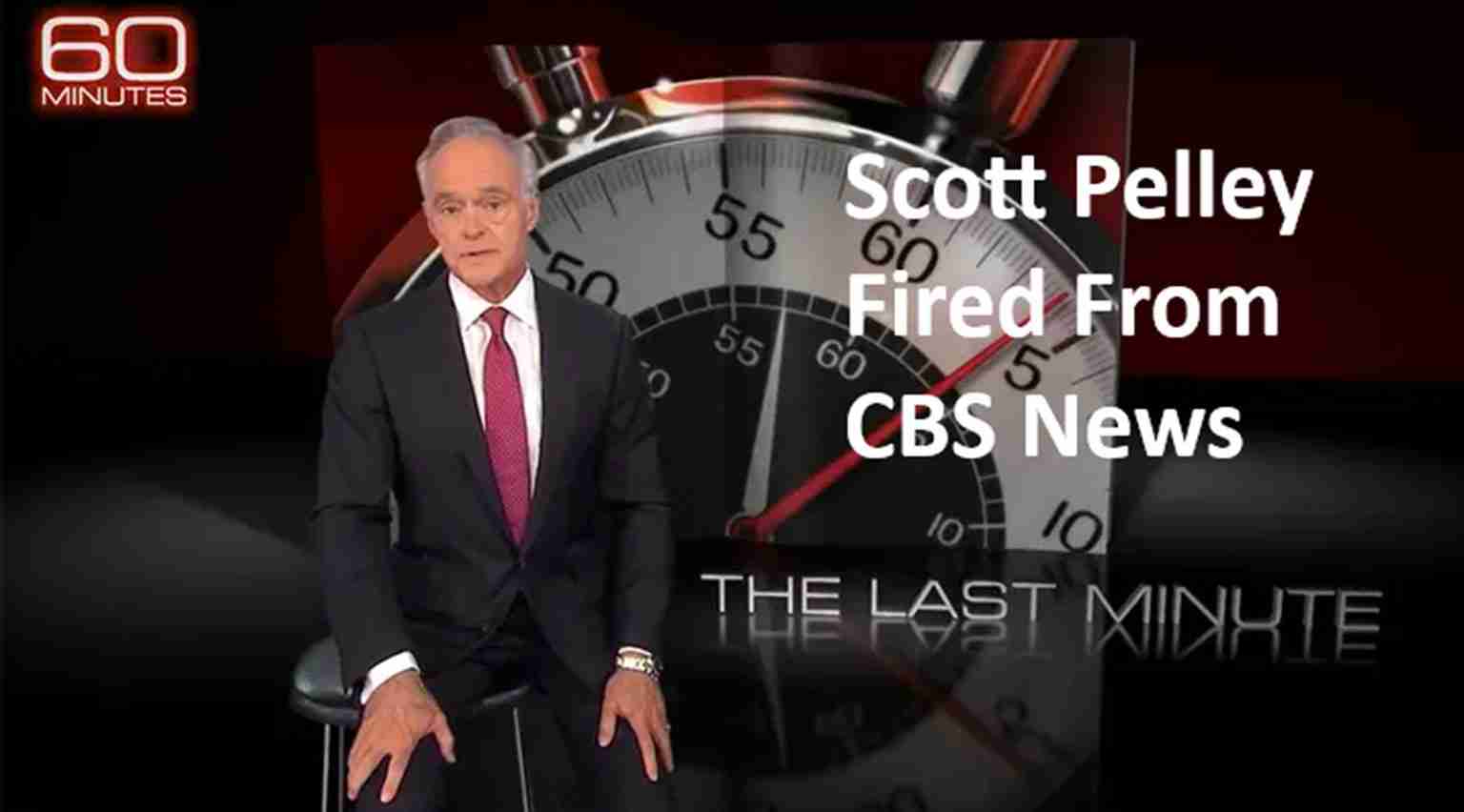
Scott Pelley, a veteran correspondent for 60 Minutes, was abruptly fired in early June 2026 after a public confrontation with CBS News editor-in-chief Bari Weiss and new executive producer Nick Bilton over alleged editorial interference and political bias.
Key takeaways
- Removal after confrontation: Scott Pelley was removed from 60 Minutes following a heated internal fight with CBS News editor‑in‑chief Bari Weiss and new executive producer Nick Bilton, as reported by the Los Angeles Times.
- Staff turnover set the stage: The dispute followed the departures of producers and correspondents including Tanya Simon, Sharyn Alfonsi and Cecilia Vega, which intensified tensions (Los Angeles Times).
- No mainstream support for stolen‑valor claims: Major outlets characterize Pelley as a veteran war correspondent, and reporting does not show verified quotes in which he claims military service in Afghanistan or Iraq (Los Angeles Times; Fox News).
- Video and reporting show escalation: Video of the internal meeting circulated and reporting indicates the confrontations accelerated Pelley’s departure (video report).
What reputable reporting shows
The firing and the editorial dispute
Multiple mainstream outlets reported that Pelley’s abrupt removal followed a contentious internal meeting in which he confronted Weiss and Bilton over recent personnel changes and the editorial direction of 60 Minutes. Reporting traces the episode to a broader clash about the program’s future after Weiss assumed the editor‑in‑chief role and sought changes to the newsroom (Los Angeles Times).
Pelley’s account: Pelley, who joined CBS News in 1989 and has a long record of reporting from conflict zones, told colleagues and media he was pressured to include material he considered biased or unverified in politically charged stories. He framed his objections around journalistic standards and publicly criticized leadership changes as damaging to the program. CBS News countered that there was no political interference and described the exchanges as routine editorial back‑and‑forth (Los Angeles Times).
Personnel moves that set the stage
The departure of high‑profile producers and correspondents — Tanya Simon, Sharyn Alfonsi and Cecilia Vega — preceded Pelley’s confrontation and contributed to staff anger. Weiss’s appointment of Nick Bilton as Simon’s successor intensified tensions inside the unit, according to reporting. The outsize nature of these firings and rapid leadership change left experienced staff questioning the direction of the storied newsmagazine (Los Angeles Times).
The stolen‑valor narrative and contested quotes
Since Pelley’s exit, social media and partisan commentary have circulated claims that he asserted he had “been in combat” in Afghanistan and Iraq — a characterization that would imply military service. Careful review of major, fact‑checked news coverage finds no verified quote in which Pelley claims military service or that he “served in combat” as a soldier. Instead, reputable outlets describe him as a veteran war correspondent who reported from conflict zones. The absence of corroboration in mainstream coverage suggests the stolen‑valor framing is an embellishment or misinterpretation spread online and in opinion pieces, not an established factual allegation (Los Angeles Times; Fox News).
Journalists and critics have invoked past cases of reporters overstating battlefield experiences — most prominently the 2015 Brian Williams controversy — to frame responses to Pelley. But the Williams case was extensively documented and investigated; there is not yet comparable evidence that Pelley made a false claim of military service. For background on the Williams episode, see reporting from 2015 (New York Times).
Context and newsroom dynamics
Why this fight matters to journalism
The Pelley episode sheds light on tensions between newsroom leadership and veteran correspondents when management seeks rapid change. Editors and correspondents routinely disagree about framing, sourcing and whether a story risks appearing biased. What made this case notable was the scale — an iconic program, high‑profile firings and an editor with a public profile, Bari Weiss, whose appointment signaled a shift in tone and direction. CBS News’ official statement framed the conflict as ordinary editorial give‑and‑take rather than political interference (Los Angeles Times).
For newsroom veterans and outside observers, the dispute raises questions about how legacy programs adapt to new leadership, how editorial standards are enforced, and how disagreements over politically sensitive coverage are handled behind closed doors. Video and reporting on the meeting between Pelley and leadership depict an escalation that sped Pelley’s departure (Video report).
Implications for United States
Political consequences
The Pelley firing and the surrounding fight at CBS News are likely to fuel partisan narratives about media bias and newsroom independence. Conservative audiences skeptical of mainstream outlets may see Pelley’s departure as evidence of top‑down reprogramming; centrist and left‑leaning observers will emphasize the need for editorial oversight. The episode can deepen distrust in national news brands and may become a talking point in broader debates over media regulation and credibility.
Economic impact
High‑profile staff turmoil can affect ratings, advertiser confidence and subscriber perception for legacy broadcast brands. 60 Minutes is an established program with commercial and reputational value; continued internal strife risks audience erosion at a time when streaming and digital competition is strong. How CBS manages the transition and defuses public controversy will matter to revenue streams tied to viewership and sponsorship.
Social effects
The demolition of public trust in institutions, including news organizations, has social consequences. When veteran journalists and management publicly clash, viewers may be left unsure whom to trust. That uncertainty can push audiences toward partisan outlets or social platforms where misinformation can spread more easily, complicating national conversations about policy, elections and foreign affairs.
Cultural relevance
60 Minutes has a long cultural role as an investigative touchstone. Changes that appear to politicize or weaken its reporting could shift how Americans view accountability journalism. At the same time, the episode highlights an internal ethic: veteran reporters defending classic reporting standards against perceived managerial interference, which resonates with audiences that value journalistic rigor and fairness.
Practical applications for viewers
For news consumers in the United States, the episode underscores the importance of source evaluation: distinguish between verified reporting and social‑media amplifications. Viewers seeking reliable information should look for coverage corroborated by multiple reputable outlets and be skeptical of dramatic claims that lack mainstream confirmation. For journalists and newsroom staff, the dispute serves as a case study in conflict resolution, editorial oversight and professional norms during leadership change.